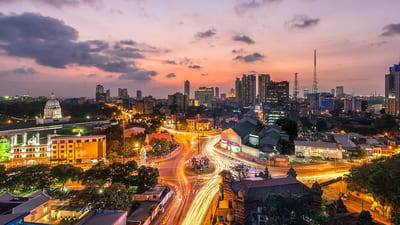
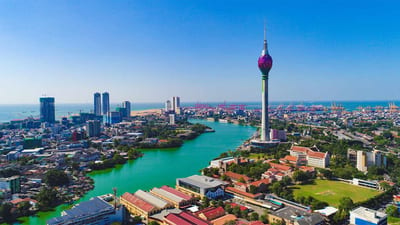
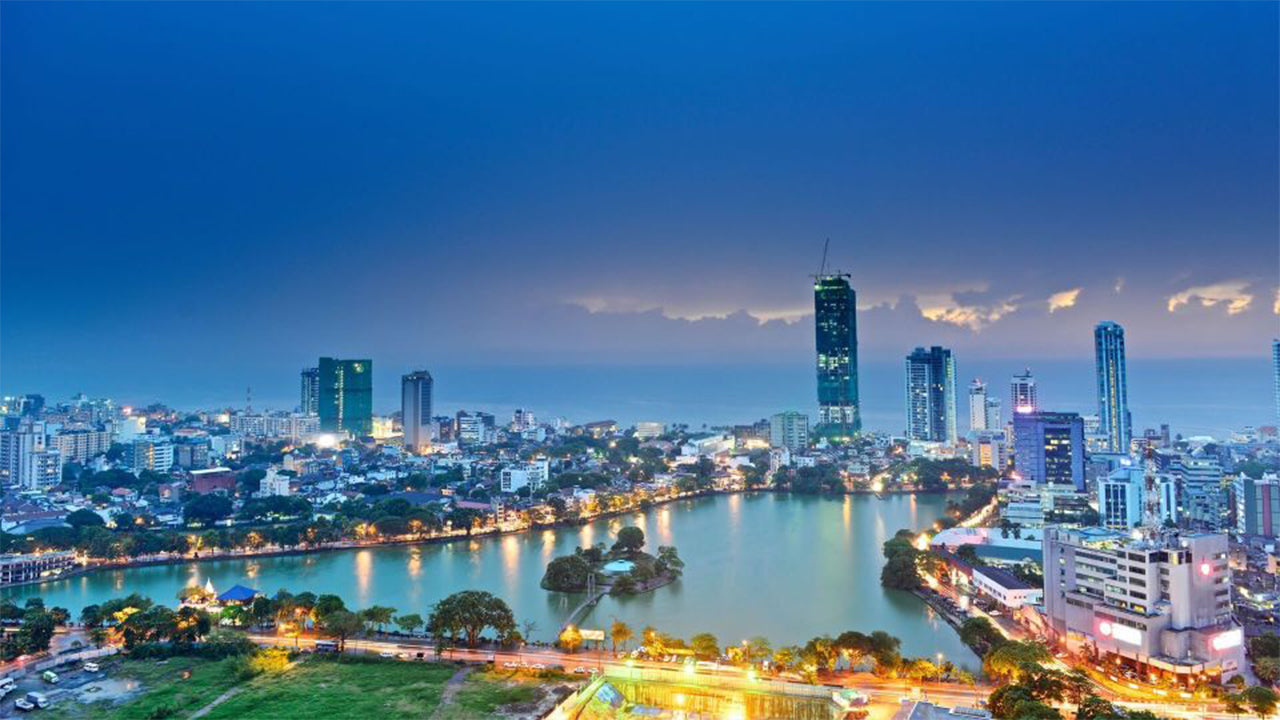
British Colonial Architecture in Colombo showcases the capital’s transformation during British rule, from a modest port town into a thriving administrative and commercial hub. The city’s colonial-era buildings reflect neoclassical and Victorian styles adapted for tropical conditions, marking an enduring legacy in Sri Lanka’s urban landscape.
These structures are characterized by grand facades, colonnaded entrances, arched windows, and high ceilings. Many were constructed with brick and stone, combining functionality with elegance. Iconic examples include the Old Parliament Building, Colombo Fort Railway Station, Cargills & Millers buildings, and the General Post Office, which continue to serve public and heritage functions.
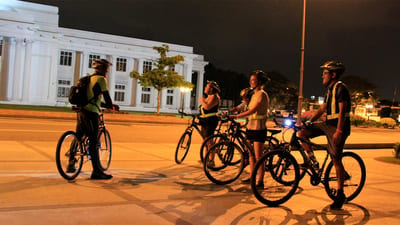
Exploring Colombo’s Fort and Pettah districts offers visitors a walk through time, with guided tours highlighting the architectural grandeur and colonial history. Many buildings now house government offices, luxury hotels, and cultural institutions, blending heritage preservation with modern utility in the heart of the city.
The best time to visit Colombo for architectural exploration is from December to April, when the weather is dry and pleasant. Easily accessible by road and rail, Colombo's colonial sites provide insight into the British era’s impact on Sri Lanka’s capital cityscape and identity.
Luoghi nelle vicinanze
11 luoghi entro circa 25 km, dal più vicino.
- Cargills Buildingmeno di 1 km
- Colombo Fort Hotelsmeno di 1 km
- Fort Shri Sudarmalaya Buddhist Templemeno di 1 km
- Vecchio Faro e Torre dell'Orologio di Colombomeno di 1 km
- Casa del Presidente, Colombomeno di 1 km
- Prison of the Last King Sri Wickrama Rajashinghe of Sri Lankameno di 1 km
- Espansione Sud del Porto di Colombomeno di 1 km
- The Central Pointmeno di 1 km
- World Trade Center, Colombomeno di 1 km
- St Andrew's Scots Kirkmeno di 1 km
- Port City Colombomeno di 1 km
Letture correlate
3 pagine su argomenti strettamente correlati.