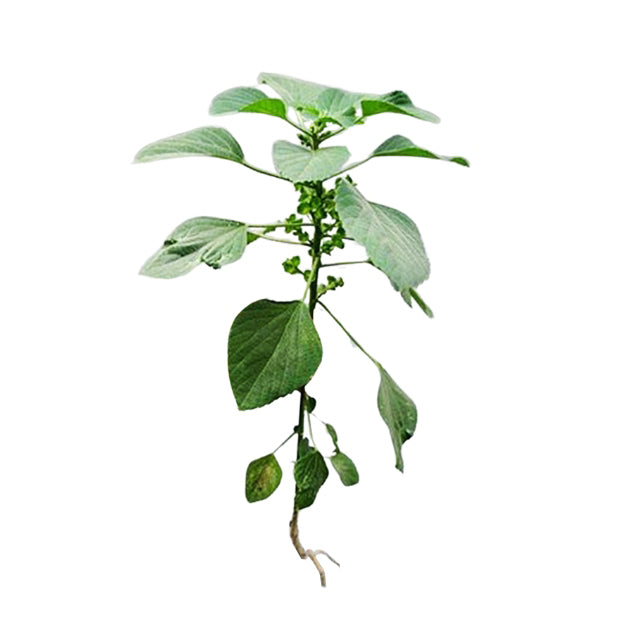




Zanonia indica is a large climbing plant native to the tropical forests of South and Southeast Asia, including Sri Lanka. Recognised as part of the island's ayurvedic pharmacopoeia, it has been used in traditional healing practices for centuries. The plant belongs to the family Cucurbitaceae — the same broad family as gourds and cucumbers — and is notable for its winged seeds, which drift through the forest on natural gliders formed by their papery margins.
What does Zanonia indica look like?
Zanonia indica is a vigorous, woody climber that can reach considerable lengths as it winds through the canopy of moist lowland and mid-elevation forests. Its leaves are broadly ovate, leathery in texture, and deep green. The plant produces small, inconspicuous flowers, but its most distinctive feature is its fruit: an elongated capsule that splits open to release flat, winged seeds measuring several centimetres across. These seeds are among the most elegant dispersal structures in the plant kingdom and have reportedly inspired early aviation engineers studying natural gliding forms.
Where does Zanonia indica grow in Sri Lanka?
In Sri Lanka, the plant is found primarily in the wet zone, favouring humid, sheltered forest margins and secondary growth areas. It thrives in the lowland rainforest belt of the south and southwest, including forest edges adjacent to reserves such as the Sinharaja Forest Reserve. The plant is also documented in parts of the intermediate zone where moisture levels are sufficient to sustain its growth. It is not commonly cultivated and is encountered mainly in its natural, semi-wild state.
What is Zanonia indica used for in ayurvedic medicine?
Within the Sri Lankan ayurvedic tradition, various parts of Zanonia indica — including the leaves and roots — have been used in formulations intended to address inflammatory conditions and joint-related ailments. Traditional practitioners have historically applied preparations from the plant to treat rheumatic discomfort and swelling. It is one of many forest-sourced botanicals that form the backbone of Sri Lanka's indigenous medical system, which draws on several thousand years of documented practice.
The plant is catalogued in formal compilations of Sri Lankan medicinal flora maintained by government and academic institutions. While it is not among the most commercially prominent ayurvedic ingredients — unlike widely traded herbs such as Acacia chundra or Pongamia pinnata — its role in localised traditional medicine remains acknowledged.
How does Zanonia indica fit into Sri Lanka's botanical heritage?
Sri Lanka's flora is extraordinarily diverse relative to its land area. The island hosts a high proportion of endemic species, and its forests have served as a living pharmacy for traditional communities for millennia. Zanonia indica is one node in a vast network of plant knowledge that ayurvedic physicians, or veda mahattayas, have preserved and transmitted across generations. This knowledge system is formally recognised by the Sri Lankan government through the Department of Ayurveda, which maintains official catalogues of medicinal plants, including lesser-known climbers like Zanonia indica.
Visitors with an interest in ethnobotany or traditional medicine can explore this heritage through dedicated tours and cultural experiences, particularly in regions where ayurvedic traditions remain strongly embedded in daily life.
Is Zanonia indica related to other plants in the Cucurbitaceae family?
Yes. Zanonia indica belongs to the subfamily Zanonioideae within Cucurbitaceae, which places it in distant relation to familiar plants such as pumpkins, melons, and cucumbers. However, Zanonia is a monotypic genus — meaning Zanonia indica is the sole species within its genus — and its characteristics differ substantially from the cultivated cucurbits most people recognise. Its climber habit, forest habitat, and winged seed dispersal strategy set it apart clearly from its broader family relatives. Botanically, it is considered a relict lineage, preserving features that are rare among modern cucurbits.
Can Zanonia indica be found in Sri Lankan herbal formulations today?
The plant is documented in traditional texts and government-recognised ayurvedic references, though it is not a prominent ingredient in mass-produced herbal products. Its use tends to remain within the domain of practising ayurvedic physicians who source plants directly or work with specialist herbal suppliers. Broader awareness of Sri Lanka's medicinal plant diversity — including species like Zanonia indica — has grown alongside global interest in plant-based medicine and ethnobotanical research. Sri Lankan government institutions and universities continue to study such plants for pharmacological validation of their traditional applications.