Trincomalee sits on the northeastern coast of Sri Lanka, where a deep natural harbour meets a coastline of pale sand and calm, clear water. It is one of the few places in Asia where you can visit a cliff-top Hindu temple in the morning, watch blue whales from a boat in the afternoon, and return to a quiet beach at sunset — all within a few kilometres. The town has layers: Portuguese and Dutch colonial history, a living Tamil Hindu culture, and a marine environment that draws divers and naturalists from around the world.
What beaches are near Trincomalee town?
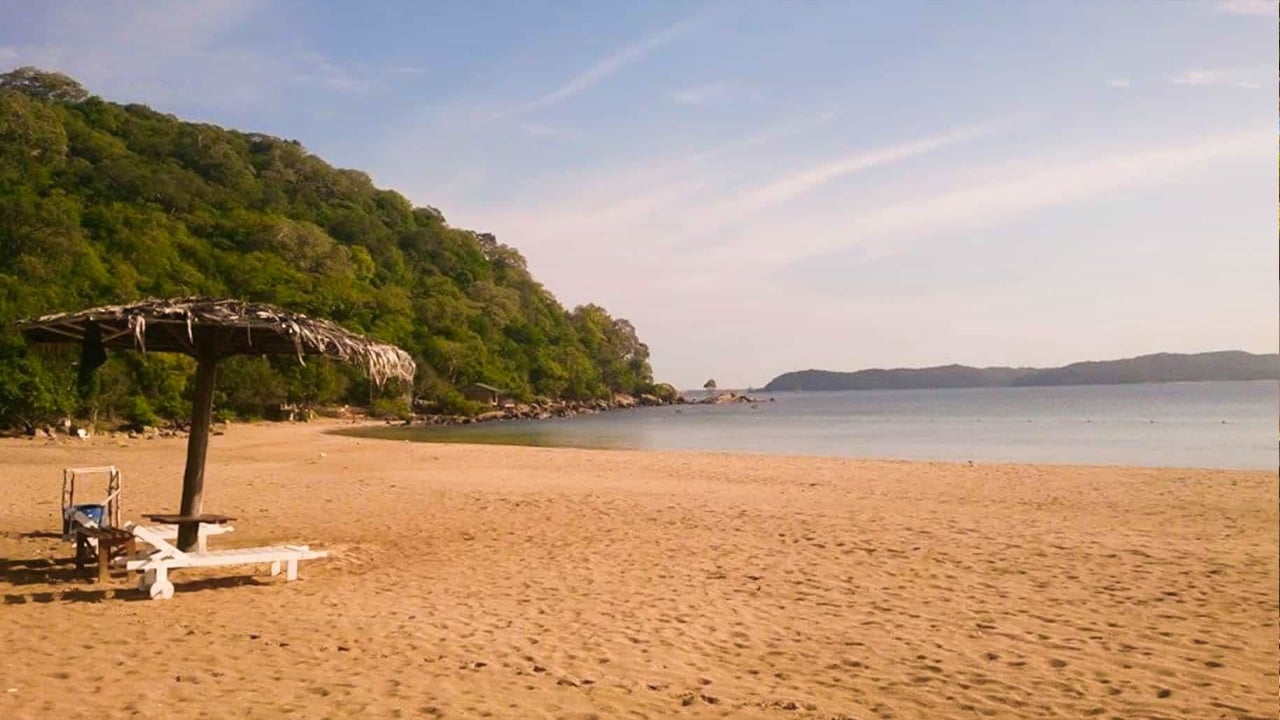
The main beach areas cluster along a roughly 15-kilometre stretch north of the town centre. Each has a distinct character.
- Dutch Bay Beach — the closest to the town itself, sheltered by the headland and good for calm-water swimming most of the year.
- Uppuveli Beach — around 4 km north of town, lined with guesthouses and small restaurants, popular with independent travellers for its relaxed pace and shallow entry into the sea.
- Nilaveli Beach — roughly 12–15 km north of the town, consistently rated among the finest beaches on the island. The sand is wide and fine, the water shallow and warm, and it is the departure point for boats to Pigeon Island.
All three beaches are at their calmest between April and September, when the southwest monsoon keeps the west coast unsettled and Trincomalee's east-facing shores are protected.
When is the best time to visit Trincomalee Beach?
The dry season for Trincomalee runs from roughly April through to early September. Sea conditions are calm, skies are largely clear, and boat trips to Pigeon Island operate reliably. Water temperatures are warm enough for comfortable snorkelling throughout this window.
Whale watching peaks between March and August, when blue whales and sperm whales are regularly sighted in the waters off Trincomalee — this overlap with beach season makes a spring or early summer visit particularly rewarding. The northeast monsoon typically arrives around October and can make sea conditions rough through to January, though the town itself remains accessible and rainfall is often intermittent rather than continuous.
What can you see and do at Trincomalee Beach?
Whale and dolphin watching
The submarine canyon off Trincomalee creates upwelling conditions that attract large cetaceans. Blue whales — the largest animals on Earth — are regularly spotted from March through August. Sperm whales and spinner dolphins are also seen with reasonable frequency. Local operators run morning excursions, typically departing before dawn to reach the offshore feeding grounds at first light. Choose operators who observe responsible approach distances.
Snorkelling and scuba diving
The reef systems around Trincomalee are among the most accessible on the island for divers of all experience levels. The waters off Uppuveli and Nilaveli hold hard and soft corals, reef fish in considerable variety, and sea turtles that are reliably present. Several wrecks in the bay add interest for more experienced divers. The visibility is generally good from April through September. Operators based in Uppuveli offer introductory dives as well as guided reef dives for certified divers. For deep sea fishing, the same calendar applies — yellowfin tuna and other pelagic species are targeted during the calm-season months.
Pigeon Island National Park
A short boat ride from Nilaveli Beach, Pigeon Island is one of Sri Lanka's two marine national parks. The shallow reef fringing the island is considered the best shore-accessible snorkelling in the country, with blacktip reef sharks a notable regular sighting alongside dense populations of reef fish. Entry requires a national park fee paid at the jetty. Visitor numbers are managed, so early morning arrivals generally have a calmer experience.
What historical sites are worth visiting near Trincomalee Beach?
Koneswaram Temple
Perched on Swami Rock, a cliff that drops dramatically into the sea, the Koneswaram Temple (also known as Thirukoneswaram Kovil) is one of the most significant Shaivite Hindu temples in Sri Lanka. The site has been sacred for well over a thousand years; the current structure was built after the original was destroyed during the Portuguese colonial period, with some of its stones recovered from the sea. The views from the promontory over the bay are among the finest in the northeast.
Fort Frederick
Built originally by the Portuguese in the early seventeenth century and later extended by the Dutch and then the British, Fort Frederick stands at the entrance to the Swami Rock headland. Much of the original masonry survives, and a small herd of spotted deer has taken up residence within the fort grounds — an unexpected detail that visitors consistently mention. The fort is open to visitors and provides a compact introduction to Trincomalee's layered colonial history.
How do I get to Trincomalee from Colombo?
The most comfortable overland option is a private vehicle, which takes roughly five to six hours depending on the route and road conditions. The main road runs through Dambulla and then northeast toward Trincomalee. Train services operate from Colombo Fort station, though journey times are longer and scheduling should be checked in advance. A private airport transfer from Colombo's Bandaranaike International Airport is a practical choice for travellers arriving with luggage and wanting to reach their beach hotel directly without route changes.
What is the local food scene like in Trincomalee?
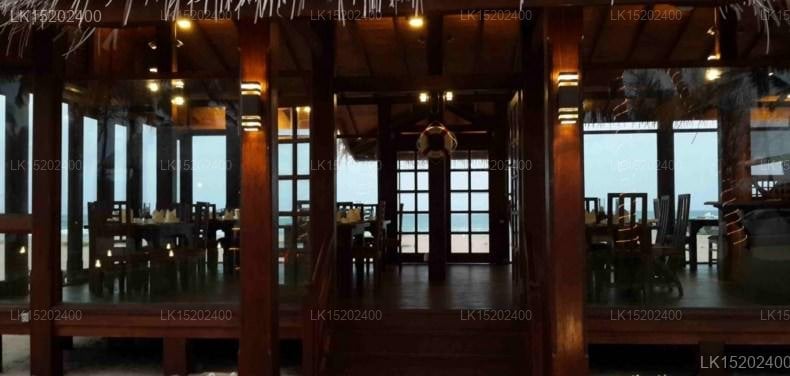
Trincomalee's coastal position means fresh seafood is the backbone of the local table. Small restaurants along Uppuveli and Nilaveli beaches serve grilled fish, crab curry, prawn dishes cooked in coconut milk, and kottu roti with seafood filling. The town's Tamil cultural heritage is reflected in a range of vegetarian dishes — string hoppers with dhal curry and coconut sambol are a reliable breakfast. A number of hotels operate their own restaurants with broader menus for those preferring a more international option in the evening.
What else is within day-trip distance of Trincomalee?
Trincomalee sits within practical reach of several destinations that extend a beach stay into something more varied.
| Destination | Approximate distance from Trincomalee | Primary interest |
|---|---|---|
| Polonnaruwa | Around 100 km southwest | UNESCO-listed ancient capital, ruins, museum |
| Marble Beach | Around 8 km north of town | Sheltered cove, calmer currents, reef snorkelling |
| Kanniya Hot Springs | Around 8 km northwest of town | Series of freshwater spring pools, local pilgrimage site |
| Pigeon Island | Short boat ride from Nilaveli | Marine national park, coral reef snorkelling |
Practical tips for visiting Trincomalee Beach
- Sunscreen and reef safety: Use reef-safe sunscreen if you plan to snorkel or dive. Conventional chemical sunscreens are harmful to coral and are best avoided near reef areas.
- Dress code at temples: Both Koneswaram Temple and Fort Frederick require covered shoulders and legs. Carry a sarong if you plan to visit directly from the beach.
- Currency: ATMs are available in Trincomalee town. Many beach restaurants and guesthouses at Uppuveli and Nilaveli operate on a cash basis, so carry local currency.
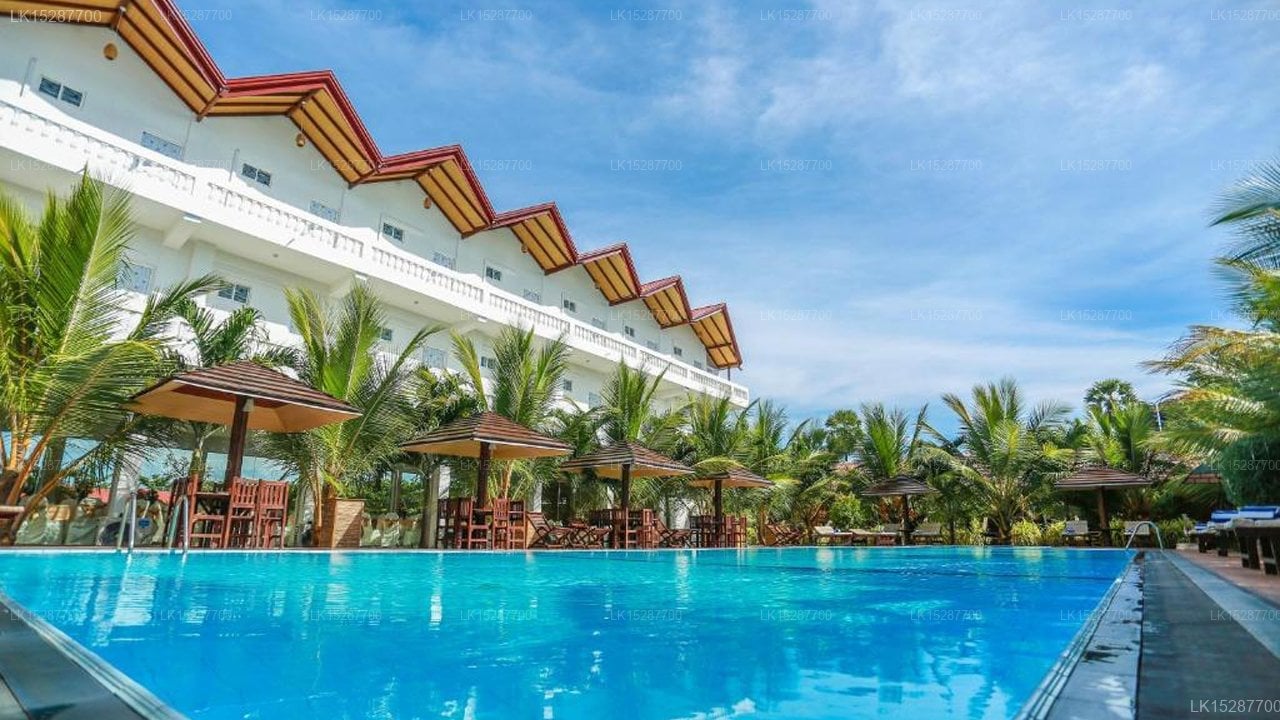
- Accommodation booking: During the peak season (May to August), beach hotels and resorts along Nilaveli and Uppuveli fill quickly. Booking in advance is advisable.
- Mosquitoes: As with most of coastal Sri Lanka, repellent is worth packing for evenings.