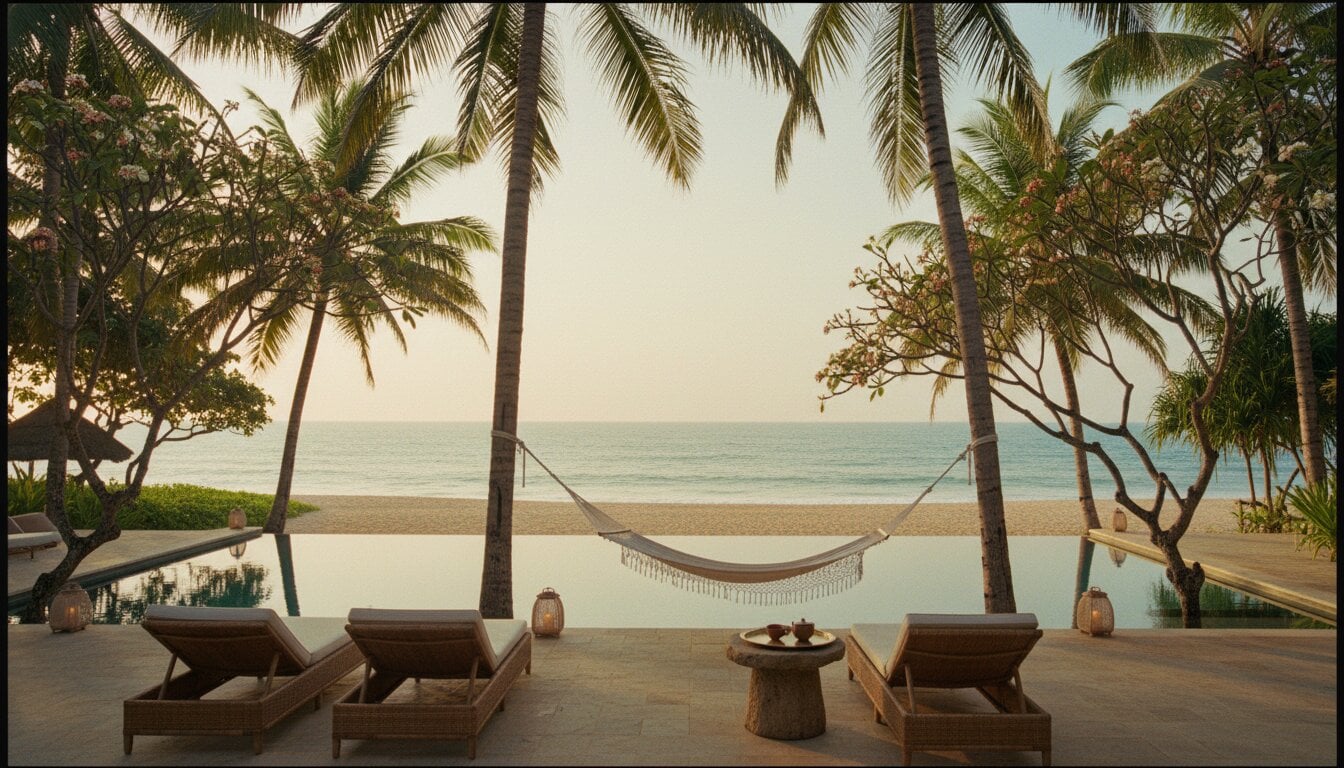
Lanka Pattuna — also referred to as Lanka Putuna Viharaya — is one of the oldest Buddhist heritage sites in Sri Lanka, located in the Kottiar Pattu area of Trincomalee District. The site holds deep religious and historical significance: according to the Mahavamsa, this is the very harbour where the Sacred Tooth Relic of the Buddha first set foot on Sri Lankan soil, an event that reshaped the island's religious identity for centuries to come.
What is the historical significance of Lanka Pattuna?
The story of Lanka Pattuna is inseparable from the story of the Sacred Tooth Relic. During the 4th century CE, the relic was brought from Kalinga (in present-day India) to Sri Lanka at the invitation of King Kirthi Sri Meghavanna — son of the great King Mahasena — who ruled from the ancient capital of Anuradhapura. The relic was transported under remarkable secrecy: Princess Hemamala, daughter of King Guhaseeva of Kalinga, concealed it within the folds of her hair, and she and her husband Prince Danta (whose father was the king of Ujjeni) disguised themselves as Brahmin pilgrims to evade detection.
The royal party landed at Illangathurai Harbour, within the Kottiar Pattu of Trincomalee — a coastal inlet that served as a natural port of entry for vessels arriving from the eastern seaboard of India. The landing point came to be known as Lanka Patuna, meaning roughly "the landing place of Lanka", and the site was subsequently sanctified with the establishment of a temple.
The earliest place of worship at this location is believed to have been the Samudragiri Viharaya, whose precise origins and fate remain a subject of ongoing scholarly interest. The site thus represents not just an architectural heritage but an archaeological question still partially unanswered.
What can visitors see at Lanka Pattuna today?
Lanka Pattuna today is a working Buddhist temple complex set against the coastal landscape of Trincomalee. The setting itself is evocative: the site overlooks the sea, and the atmosphere during early morning or evening puja is quietly meditative. Devotees come to venerate the ground where the Tooth Relic is said to have first rested, making it an active pilgrimage destination rather than simply a ruin.
- The temple shrine rooms contain traditional Buddhist imagery and iconography relevant to the Tooth Relic story.
- The surrounding coastal area preserves remnants of the ancient harbour landscape, though much of the original Samudragiri Viharaya site awaits fuller archaeological study.
- Local monks and custodians can share oral histories and interpretations of the site's founding narrative.
Because Lanka Pattuna sits within a living religious community, visitors are expected to dress modestly — shoulders and knees covered — and to remove footwear before entering any shrine.
How does Lanka Pattuna connect to Sri Lanka's broader Buddhist heritage?
The Tooth Relic that arrived here eventually made its way inland to Anuradhapura, where it was enshrined under the patronage of King Kirthi Sri Meghavanna. Over subsequent centuries it was moved through Polonnaruwa and Dambadeniya before finding its permanent home at the Temple of the Tooth Relic (Sri Dalada Maligawa) in Kandy, now a UNESCO World Heritage Site. Lanka Pattuna therefore represents chapter one of that long, unbroken custodial tradition — a tradition that has defined Sri Lankan Buddhism and statecraft for over sixteen hundred years.
The site also illustrates the maritime connections between Sri Lanka and the Indian subcontinent during the early centuries of the Common Era. Trincomalee's natural deep-water harbour made it one of the most important ports in South Asia, and Lanka Pattuna sits at the intersection of religious pilgrimage and ancient sea-trade routes.
When is the best time to visit Lanka Pattuna?
Trincomalee's climate follows the northeast monsoon pattern, which differs from most of Sri Lanka. The driest and most pleasant period for visiting the east coast runs broadly from April to September, when skies are clear and the sea is calm. Visiting during this window also coincides with the general tourist season for Trincomalee's beaches and the nearby Koneswaram Temple.
- April–September: Ideal weather; comfortable for outdoor exploration of the coastal site.
- October–January: Northeast monsoon brings rain to the east coast; the site remains open but access roads can occasionally be affected.
- February–March: A transitional period — often warm and relatively dry, with fewer visitors.
Poya days (full-moon days of the Buddhist calendar) see higher numbers of pilgrims and a more ceremonially active atmosphere, which many travellers find rewarding.
How do I get to Lanka Pattuna from Trincomalee town?
Lanka Pattuna lies within the Kottiar Pattu area, south of Trincomalee town along the coast road. The most practical way to reach the site is by private vehicle or tuk-tuk from Trincomalee, a journey that typically takes around 30–45 minutes depending on the specific access point. The roads in this area can be narrow, so a driver familiar with the district is helpful. Lakpura can arrange private transport as part of a broader east-coast itinerary.
Is Lanka Pattuna worth including in an east-coast Sri Lanka itinerary?
For travellers with a genuine interest in Buddhist history or Sri Lanka's ancient maritime connections, Lanka Pattuna offers something that very few sites do: a verifiable narrative origin point. The Tooth Relic story is not folklore in the distant sense — it is precisely dated in the Mahavamsa chronicle, cross-referenced with Indian historical records, and has shaped Sri Lankan religious life continuously from the 4th century to the present day.
Combining Lanka Pattuna with a visit to the Koneswaram Temple on Swami Rock (one of Sri Lanka's most important Hindu temples, also in Trincomalee) and the Fort Frederick colonial complex gives a compact itinerary that covers Buddhist, Hindu, and colonial layers of Trincomalee's identity in a single day. Those travelling up the east coast from Arugam Bay or down from Jaffna will find Trincomalee a natural stopping point, and Lanka Pattuna a quietly compelling addition to the circuit.
Nearby places
10 places within about 25 km, nearest first.
Related reading
5 pages on closely related subjects.