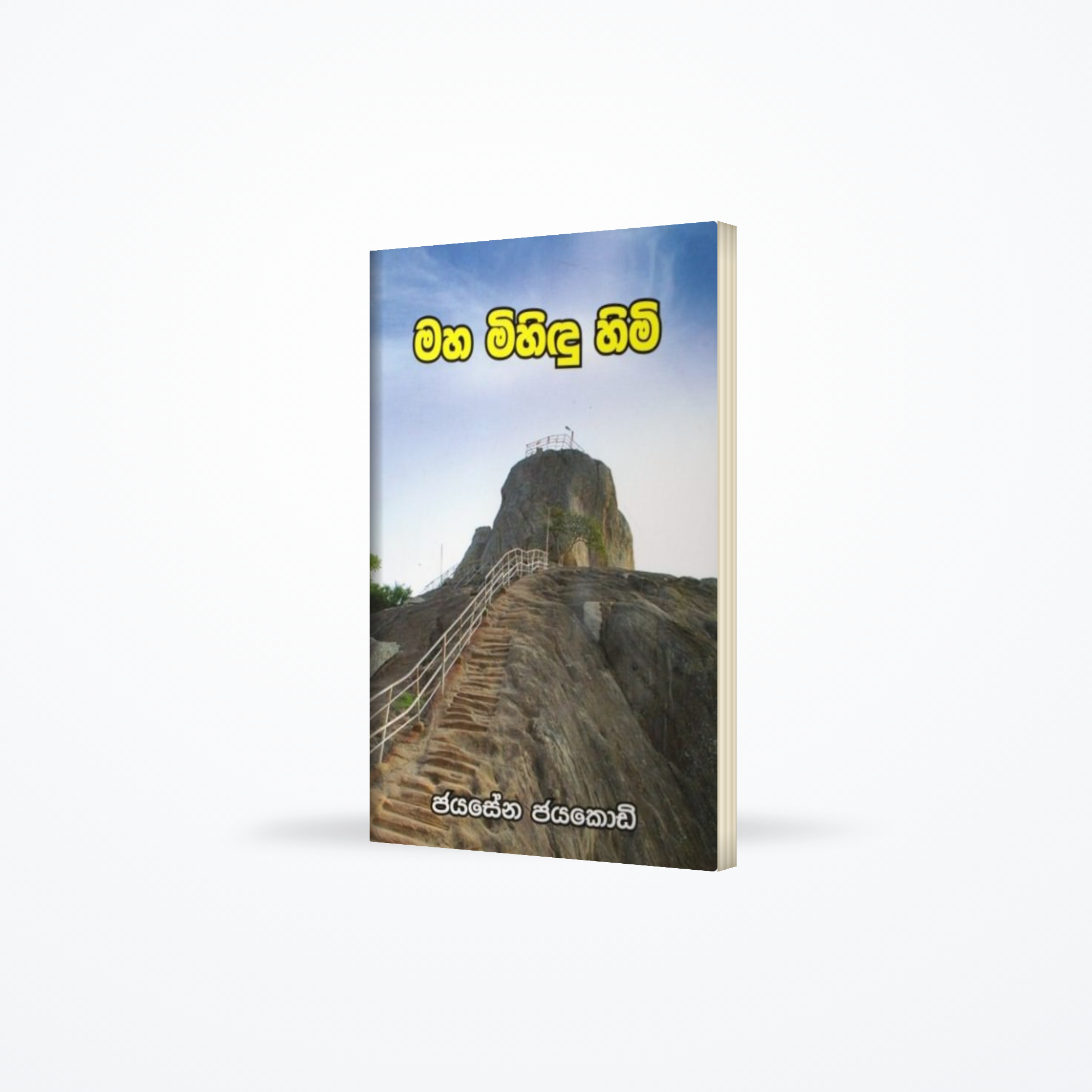
Set within the ancient pilgrimage complex of Mihintale in the Anuradhapura District, the Mihindu Maha Stupa — also known as the Mahaseya — is one of the most historically significant Buddhist monuments in Sri Lanka. Positioned to the west of the main Mahaseya, this smaller stupa is traditionally identified as the shrine built by King Uttiya, the successor of King Devanampiyatissa, to enshrine the bodily relics of the Venerable Mahinda Thero, the monk credited with bringing Buddhism to the island in the 3rd century BCE.
What is the history of the Mihindu Maha Stupa?
According to the Mahavamsa and supporting archaeological evidence, King Uttiya ordered the construction of this stupa shortly after the passing of Mahinda Thero. The relics of the sage were considered of exceptional sacred importance — Mahinda had famously arrived at Mihintale and converted King Devanampiyatissa to Buddhism, an event that shaped the cultural and spiritual identity of Sri Lanka for millennia.
The stupa belongs to a broader tradition of relic-enshrining monuments found across the ancient city of Anuradhapura and its surrounding sacred precincts. For an overview of this monument type in Sri Lankan heritage, the history of stupas in Sri Lanka provides useful context. Mihintale itself is regarded as the cradle of Buddhism on the island and draws both pilgrims and heritage travellers year-round.
What did archaeologists find when they excavated the stupa?
For centuries, the structure was largely obscured by accumulated debris and overgrowth, its true identity unknown to modern scholars. The breakthrough came in 1951, when the eminent archaeologist and epigraphist Dr. Senarat Paranavitana directed the excavation of the site. His team cleared the base of the stupa completely, revealing two flights of limestone steps flanked by brick wing walls. These steps gave access from the stone-paved courtyard of the adjacent Mahaseya up to the terrace on which this smaller stupa stood.
Among the most significant finds during the excavation was the relic chamber at the core of the stupa — known in Sinhala as the karaṇḍuva or relic embryo. The presence of an intact relic embryo confirmed that the structure had not been fully looted or dismantled in earlier centuries. Buddha images discovered at the site have been stylistically assigned to the 7th century CE, indicating that the stupa underwent substantial renovation during that period, likely under the patronage of a regional king or monastery.
Where exactly is the Mihindu Maha Stupa located?
The stupa stands within the Mihintale archaeological site, approximately 13 km east of Anuradhapura town along the Anuradhapura–Trincomalee road. Mihintale is a rocky hill complex rising above the surrounding plains, and the Mihindu Maha Stupa sits on one of its elevated terraces, in close proximity to the larger Mahaseya and the Kantaka Cetiya. Visitors typically ascend the ancient stone staircase — over 1,800 steps in total — to reach the upper precincts of the complex.
- District: Anuradhapura, North Central Province
- Distance from Anuradhapura: approximately 13 km east
- Distance from Colombo: approximately 205 km north
- Access: paved road to the base; stone staircase to the upper terraces
How does the Mihindu Maha Stupa fit into the wider Mihintale complex?
Mihintale is far more than a single monument. The complex encompasses the Kantaka Cetiya, the Mahaseya, the Aradhana Gala (Convocation Rock), ancient refectory ruins, a medicine trough, and a hospital complex — making it one of the most architecturally layered sacred sites in South Asia. The Mihindu Maha Stupa occupies a particularly intimate corner of the upper terrace, its scale deliberately modest compared with the great dome of the Mahaseya rising nearby.
The juxtaposition of the two structures is meaningful: the Mahaseya commemorates the event of the introduction of Buddhism, while the Mihindu Maha Stupa marks the physical remains of the man who made that event possible. Together they form a sacred axis that pilgrims have circumambulated for over two thousand years.
What is the significance of Anuradhapura as a UNESCO World Heritage Site?
Anuradhapura was designated a UNESCO World Heritage Site in 1982, in recognition of its extraordinary concentration of ancient Buddhist monuments, palaces, irrigation systems, and monastic complexes. The sacred city served as the capital of Sri Lanka for well over a millennium and contains some of the oldest surviving brick structures in the world. Among its celebrated landmarks are the Sri Maha Bodhi, the Ruwanwelisaya, the Thuparamaya, the Abhayagiri Dagoba, and the Jetavanarama — each representing a different era and patron of ancient Lankan kingship.
Mihintale, though located slightly outside the core heritage zone, is considered an integral part of the Anuradhapura sacred landscape. Pilgrims travelling from Anuradhapura to Mihintale follow a route that has been in continuous use since antiquity.
What is the best time to visit Mihintale and the Mihindu Maha Stupa?
The most auspicious and culturally significant time to visit Mihintale is during the Poson full moon in June, when hundreds of thousands of pilgrims climb the rock to commemorate the arrival of Mahinda Thero. The atmosphere during Poson is unlike anything else in the Sri Lankan calendar — candle-lit processions, white-clad devotees, and the scent of incense rising through the night air.
Outside of Poson, the dry season months from January to April and from July to September offer the most comfortable conditions for climbing the staircase. The North Central Province is in Sri Lanka's dry zone, and daytime temperatures can be intense between April and June; early morning visits are strongly recommended. The site is open year-round and accessible to all visitors, regardless of faith.
How should visitors prepare for a visit to Mihintale?
- Wear white or light-coloured clothing as a mark of respect — the dress code at the upper shrine areas is conservative.
- Remove footwear before entering any shrine or stupa precinct.
- Carry drinking water, particularly if visiting between late morning and late afternoon.
- Climbing the full staircase requires a moderate level of fitness; those with mobility limitations can access parts of the complex by vehicle road.
- Photography is generally permitted in the archaeological areas, but discretion is expected near active worship spaces.
What else can I see near the Mihindu Maha Stupa?
Beyond Mihintale itself, the Anuradhapura District rewards extended exploration. Wilpattu National Park, Sri Lanka's largest national park by area, lies roughly 100 km to the west and is renowned for its leopard population and natural forest lakes called villus. For travellers continuing further south, the ancient city of Polonnaruwa — the island's second medieval capital — makes a natural complement to any Anuradhapura itinerary, and the two sites together form the heart of Sri Lanka's Cultural Triangle.