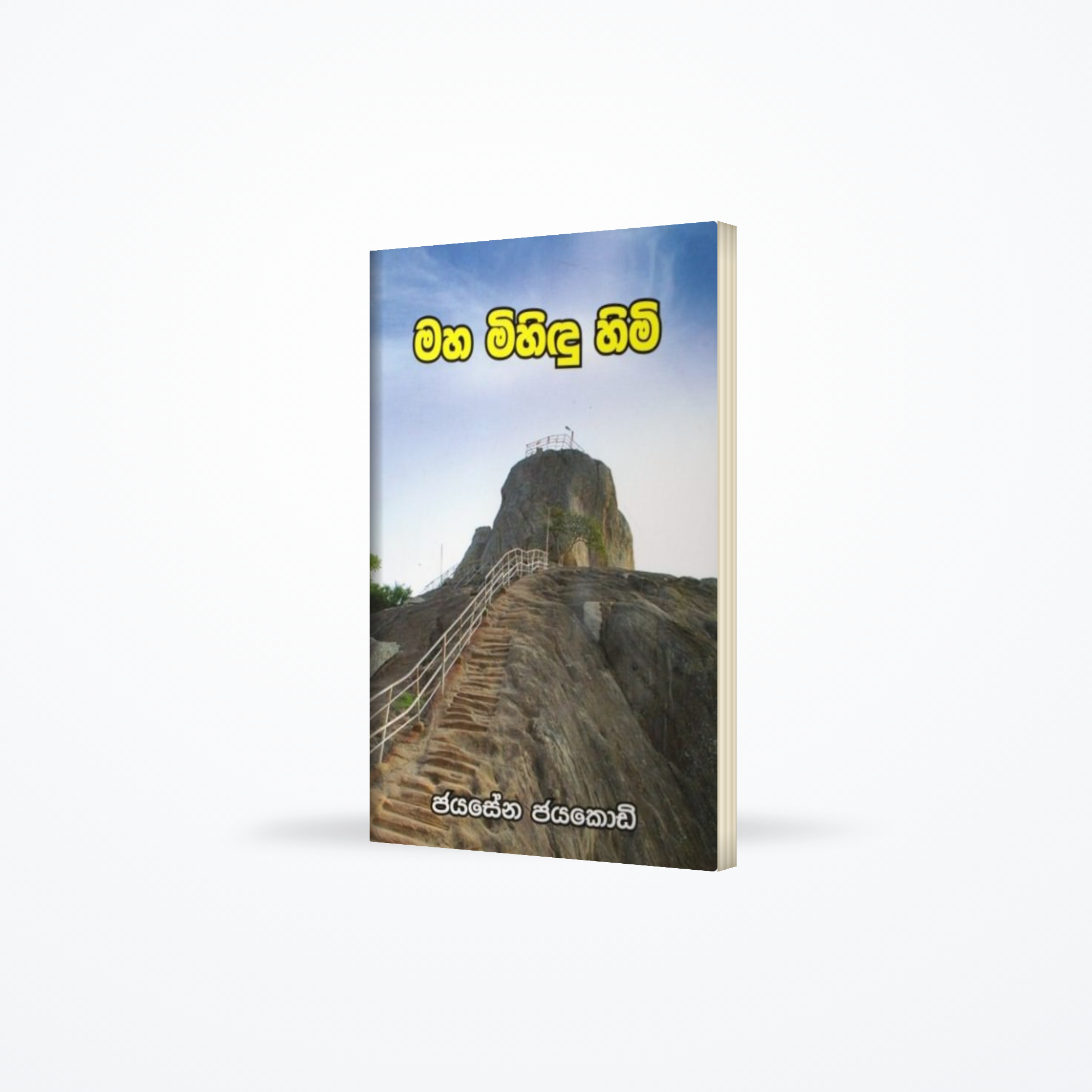
Few places in Sri Lanka carry the weight of history as quietly as Mihindu Cave. Tucked into the eastern flank of Mihinthale hill, this modest rock shelter is where Arahat Mahinda Thero — the monk who brought Buddhism to the island in the third century BCE — is said to have sat and meditated after his landmark encounter with King Devanampiyatissa. The king had been pursuing a deer during a royal hunt when Mahinda stopped him at what is now called Aradhana Gala, the Rock of Invitation. That single conversation changed the spiritual course of an entire civilisation.
What is the story behind Mihindu Cave?
Mihinthale is widely regarded as the cradle of Buddhism in Sri Lanka. Emperor Ashoka of India sent his son Mahinda Thero to deliver the Dhamma to the Sinhalese king, and this hilltop site became the setting for that first teaching. Once Buddhism took root, generations of kings developed Mihinthale into a sprawling monastic complex that included meditation retreats, hospitals for ailing monks, and a series of imposing dagobas. Mihindu Cave — Mihindu Guhawa in Sinhala — is the personal meditation sanctuary of the great Arahat within that complex, and it preserves a carved rock seat believed to be his own.
Where exactly is Mihindu Cave located?
The cave sits on the eastern slope of the Mihinthale hill, roughly three hundred yards below and past the site of the Sila Cetiya. To reach it, visitors descend from the main plateau — known as the Maluwa — following a path that winds around the rock face. The shelter itself is a natural stone slab canopied by an overhanging rock, offering shade and a sweeping view across the surrounding lowlands. Above the cave on the summit to the south stand the Mahasaya and the Mihindu Saya, two of the most important stupas at Mihinthale.
How do I reach Mihinthale from Colombo or Anuradhapura?
Mihinthale lies approximately 13 km east of Anuradhapura along the A9 road. From Anuradhapura, a tuk-tuk or taxi takes around 20 minutes. If you are coming from Colombo, the drive is roughly four to five hours via the A6 or A9 highway; most visitors combine Mihinthale with the ancient city of Anuradhapura on the same day. A dedicated private driver makes this considerably more comfortable, particularly for the descent to the cave, which involves uneven stone steps.
What should I expect when climbing to the cave?
The main staircase from the lower car park to the summit plateau consists of around 1,840 granite steps in total across the various terraces. The path to Mihindu Cave branches off before the summit and descends rather than ascends, so it is less demanding than the climb to the dagobas. The rock approach to the cave is cut with approximately 110 inbuilt steps, each around twelve feet wide and six inches high — broad and manageable but uneven in places. Wear flat-soled footwear; shoes must be removed before entering any shrine area.
What can I see at Mihindu Cave itself?
The cave is a simple but evocative spot. The most distinctive feature is the rock seat carved directly into the stone, traditionally identified as Mahinda Thero's meditation place. A small shrine has been established within the shelter, and offerings of flowers and incense are made by pilgrims year-round. The setting is naturally cool and shaded, and the eastern views across the Dry Zone plains give the site a contemplative quality that stands apart from the more crowded terraces above. The silence here, compared to the busier dagoba platforms, is part of what makes it worth the detour.
When is the best time to visit Mihinthale and Mihindu Cave?
The dry season from May to September is the most comfortable time to explore Mihinthale, with lower humidity and reliable skies. That said, the site holds particular significance during the Poson Poya full-moon festival in June, which commemorates Mahinda Thero's arrival in Sri Lanka. Hundreds of thousands of pilgrims converge on Mihinthale during Poson, creating an atmosphere of extraordinary devotion — though practical logistics require advance planning. Early morning visits on any day of the year reward you with cooler temperatures and smaller crowds before tour groups arrive around mid-morning.
Is Mihinthale worth visiting alongside other ancient sites?
Mihinthale pairs naturally with Anuradhapura, the ancient capital whose sacred Bo tree, Ruwanwelisaya dagoba, and vast monastic ruins occupy a full day of exploration. The Cultural Triangle — which also encompasses Sigiriya and Polonnaruwa — makes Mihinthale an integral stop on any heritage-focused itinerary through Sri Lanka's north-central province. Together, these sites form one of the richest concentrations of ancient Buddhist heritage in Asia.
Practical information at a glance
| Detail | Information |
|---|---|
| Location | Mihinthale, North Central Province |
| Distance from Anuradhapura | Approximately 13 km east |
| Steps to summit plateau | Around 1,840 (cave path branches off earlier) |
| Cave approach steps | Approximately 110, each ~12 ft wide |
| Dress code | White or modest clothing preferred; shoes off at shrines |
| Best months | May–September; Poson Poya (June full moon) for pilgrimage atmosphere |
| Nearest town | Mihinthale (small facilities); Anuradhapura for hotels and restaurants |
Nearby places
11 places within about 25 km, nearest first.
- Mihintale Mountainunder 1 km
- Aradhana galaunder 1 km
- Ambasthala Stupaunder 1 km
- Kantaka Stupaunder 1 km
- Mihintale Hospital ruinsunder 1 km
- Mihindu Maha Stupa (Seya)under 1 km
- Mihintale Junction Railway Station2 km
- North Central Province4 km
- Jaya Ganga (Yodha Ela)4 km
- Senarathgama Railway Station5 km
- Thalkote Lake8 km
Related reading
5 pages on closely related subjects.