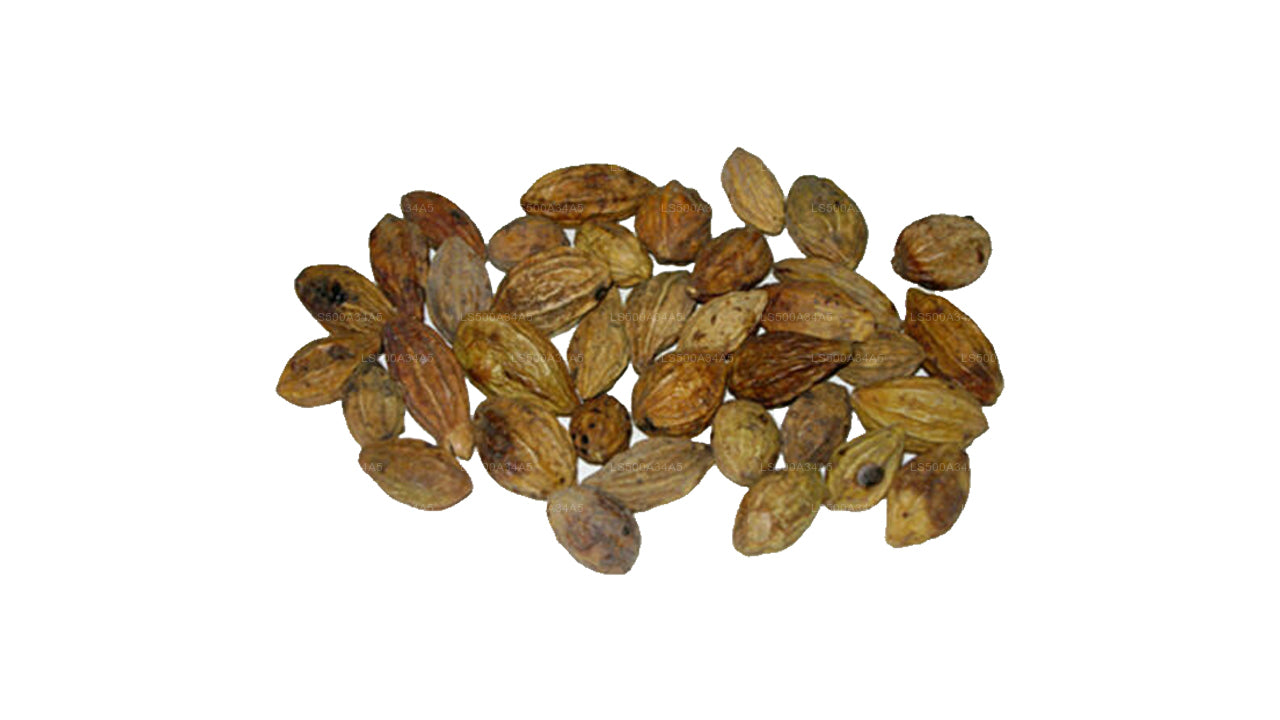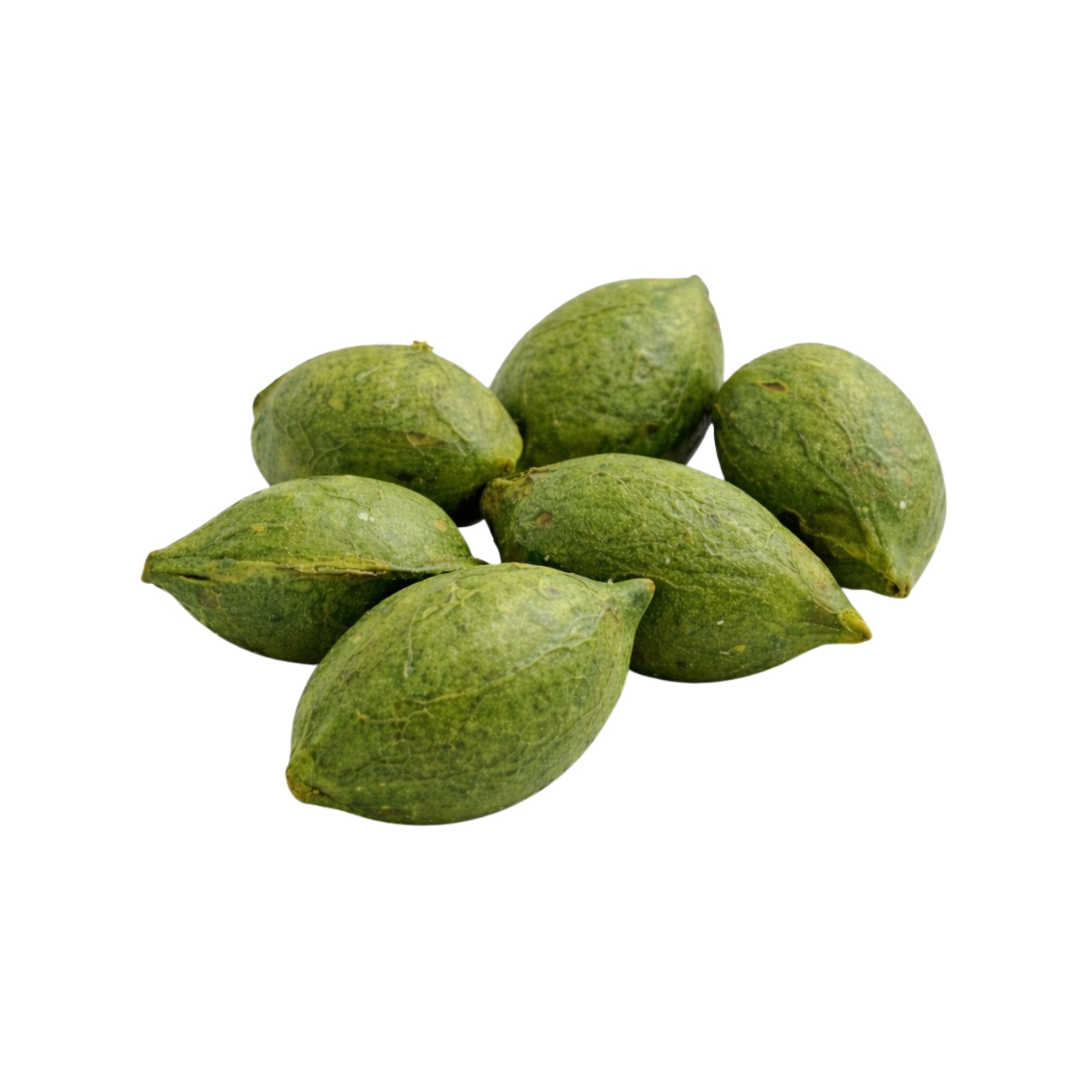




Terminalia zeylanica is a flowering tree endemic to Sri Lanka, meaning it grows naturally nowhere else on Earth. Belonging to the family Combretaceae — the same family as the well-known Acacia chundra — this species holds a recognised place in the island's catalogue of Ayurvedic medicinal plants. Its relatively restricted range and ecological specificity make it both botanically significant and worth understanding for anyone curious about Sri Lanka's native flora.
What is Terminalia zeylanica and where does it grow?
Terminalia zeylanica is a medium to large deciduous tree found primarily in the dry and intermediate zones of Sri Lanka. It tends to favour lowland and submontane forests, often appearing in areas with well-drained soils. Within the genus Terminalia, Sri Lanka hosts several related species — including Terminalia chebula (known locally as Aralu) and Terminalia catappa (Kottamba) — but zeylanica is the one that carries the island's own name in its scientific epithet, the Latin adjective for "of Ceylon."
The tree produces simple leaves, small flowers, and winged or ribbed fruits that disperse by wind. Like its relatives, it is notable for the high tannin content in its bark, leaves, and fruit — a chemical trait that underpins many of its traditional uses.
What is Terminalia zeylanica used for in Ayurveda?
Sri Lanka's Ayurvedic tradition, which draws on both Indian classical texts and a distinct local practice, has long incorporated native Terminalia species in formulations targeting digestion, skin conditions, respiratory ailments, and wound healing. Terminalia zeylanica, though less documented in international literature than its close relative T. chebula, is catalogued among the island's indigenous medicinal plants and has been used in traditional village medicine.
The high tannin and polyphenol content common across the genus is associated with astringent, antimicrobial, and antioxidant properties. Bark decoctions and dried preparations have featured in local remedies, though contemporary clinical evidence specific to this species remains limited. Practitioners of Sri Lankan traditional medicine (Deshiya Chikitsa) are the primary custodians of knowledge about this plant's specific applications.
For those interested in related Ayurvedic preparations, Yogaraja Guggulu and Kaishore Guggulu represent classical formulations that demonstrate how indigenous plant knowledge is structured into compound remedies in this tradition.
How does Terminalia zeylanica relate to other Terminalia species in Sri Lanka?
The genus Terminalia is represented in Sri Lanka by a handful of species, each with its own ecological niche and range of traditional uses. Understanding how they differ helps clarify the significance of T. zeylanica specifically.
| Species | Common / Local Name | Key Use | Distribution |
|---|---|---|---|
| Terminalia zeylanica | Zeylanica (endemic) | Traditional / Ayurvedic medicine | Endemic to Sri Lanka |
| Terminalia chebula | Aralu (Sinhala) | Digestive health, tridoshic Ayurvedic herb | South Asia including Sri Lanka |
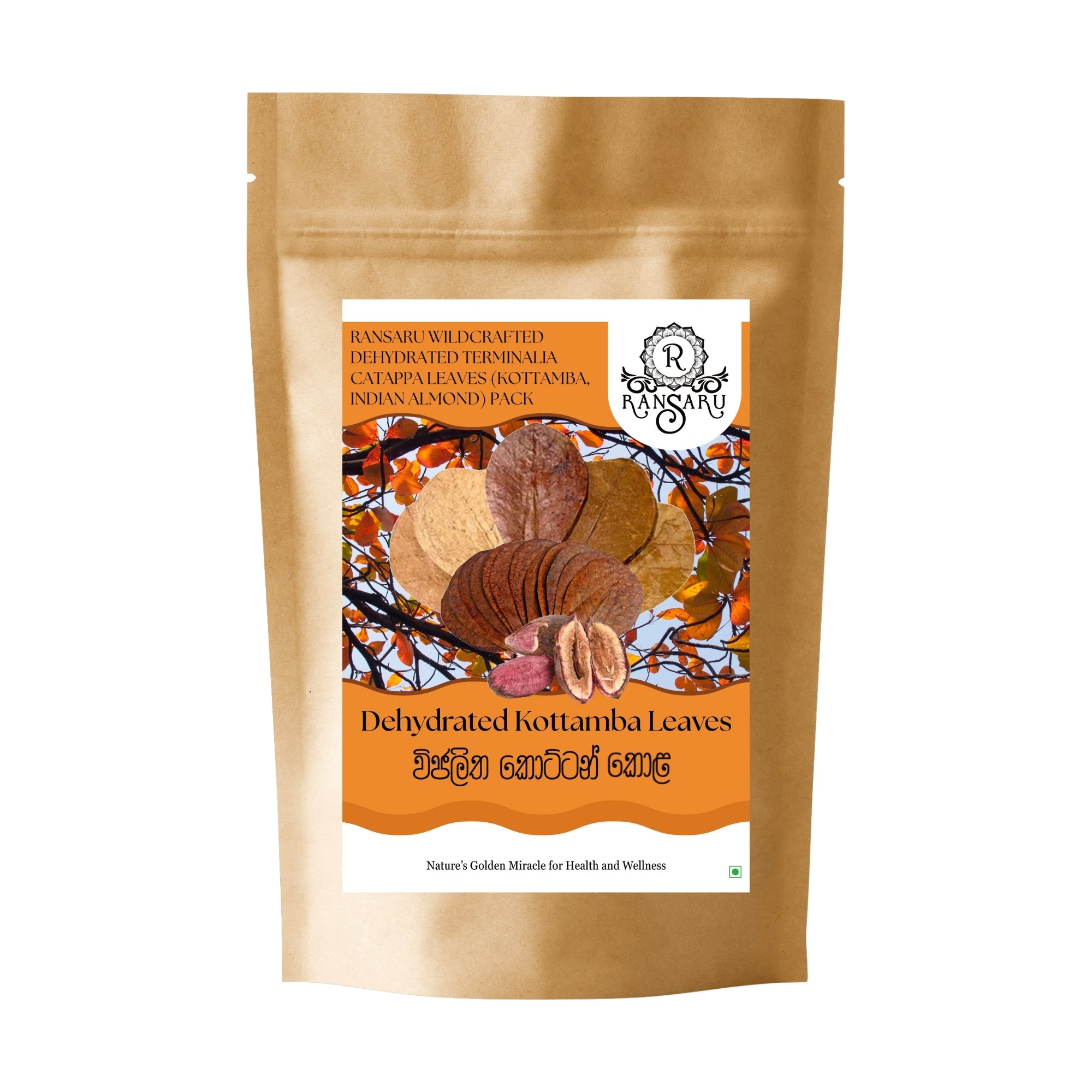
| Terminalia catappa | Kottamba / Indian Almond | Edible seed, ornamental, aquarium plant health | Tropical coastal regions worldwide |
| Terminalia arjuna | Arjuna | Cardiovascular support in classical Ayurveda | Indian subcontinent |
Terminalia chebula (Aralu) is perhaps the most widely used of these in Sri Lanka's Ayurvedic pharmacopoeia. It forms one of the three fruits in the classical Triphala combination. Terminalia zeylanica, by contrast, remains part of the local indigenous tradition rather than the pan-South Asian classical canon — which is precisely what makes it botanically and culturally distinctive.
What is the conservation status of Terminalia zeylanica?
As a species endemic to Sri Lanka, Terminalia zeylanica is inherently vulnerable to habitat loss. Sri Lanka's forests — particularly the wet and intermediate zone forests where endemic plant diversity is highest — have faced significant pressure from agriculture, urbanisation, and timber extraction over the past century. Endemic trees with restricted ranges are among the categories of greatest conservation concern.
The Sinharaja Forest Reserve, a UNESCO World Heritage Site and one of Sri Lanka's last surviving lowland rainforests, shelters a significant proportion of the country's endemic plant species. Protected areas such as Horton Plains National Park in the central highlands also serve as refugia for montane and submontane endemics. Conservation of habitats like these is therefore directly relevant to the survival of endemic species including T. zeylanica.
Ethnobotanical documentation efforts — recording traditional plant knowledge before it is lost — are an equally important dimension of conserving not just the plant itself but the accumulated understanding of how it has been used.
Why is Sri Lanka particularly rich in medicinal plants?
Sri Lanka's extraordinary plant diversity stems from a combination of factors: its position at the confluence of the Indian Ocean monsoon systems, the dramatic variation in altitude from sea level to over 2,500 metres, and its long geological isolation as an island. The result is a flora of around 3,000 flowering plant species, of which roughly 900 are endemic. This density of endemic species in a relatively small land area places Sri Lanka among the world's recognised biodiversity hotspots.
The Ayurvedic tradition, which has been practised on the island for over two millennia, developed in direct relationship with this botanical richness. Classical texts such as the Ashtangahridayam informed Sri Lankan practice, but local physicians adapted and extended these traditions using species found only on the island — Terminalia zeylanica among them.
Plants such as Pongamia pinnata and other species catalogued in Sri Lanka's medicinal plant records reflect the depth of this tradition. Even spices with global reach — Ceylon black pepper, for instance — carry a medicinal dimension in Ayurvedic formulation that goes beyond culinary use.
Can visitors learn about medicinal plants in Sri Lanka?
Several experiences available through a well-organised itinerary allow curious visitors to engage with Sri Lanka's living plant heritage. Ayurvedic gardens and village-based herbal farms offer guided introductions to the plants behind traditional remedies, often including demonstrations of preparation methods. The Makandawa Rainforest in Kegalle district, for example, is a managed forest that supports community-based ecotourism with a strong botanical component.
Village-level encounters — walking through home gardens where medicinal plants grow alongside vegetables and fruit trees — can be arranged as part of a broader cultural immersion programme. These experiences place Terminalia zeylanica and its relatives in their living context, rather than reducing them to museum exhibits.
Other species in this genus
4 more, sharing the same genus.