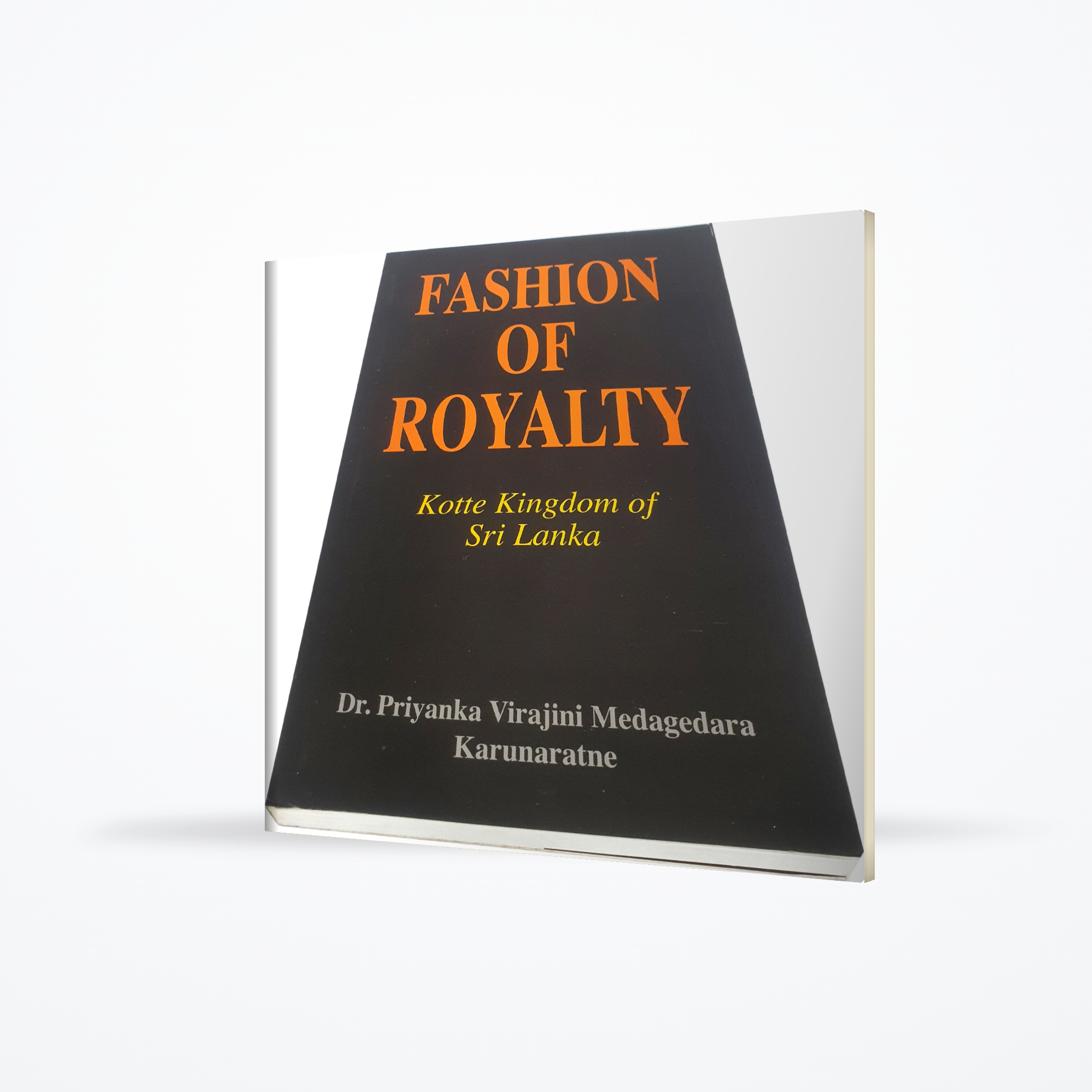
Sri Jayawardenepura Kotte sits roughly 8 km southeast of Colombo's commercial centre, yet it occupies a place in Sri Lankan history that stretches back six centuries. Today it functions as the country's legislative capital, home to Parliament and several key government ministries. Despite its administrative character, the city retains pockets of rice paddies, wetlands, and a quiet residential atmosphere that set it apart from the bustle of Colombo next door.
What is the history of Sri Jayawardenepura Kotte?
The city's origins as a seat of power date to 1415, when Kotte became the capital of the Sinhalese Kotte Kingdom. Its rulers exploited a natural geography of lagoons, rivers, and swamps to create formidable defences — water barriers that made the city difficult to approach and almost impossible to take by surprise.
That strategic value was demonstrated memorably in 1505, when the first Portuguese envoys arrived in Colombo. The Sinhalese deliberately guided them on a circuitous three-day journey to reach Kotte, concealing its exact location. The episode gave rise to a lasting Sinhala idiom: Kotte yනvaṃ (to go to Kotte), meaning to take a roundabout route.
The kingdom endured until 1565, when a combination of internal partition and Portuguese military pressure ended its dominance over the island. The city gradually declined in political importance, and its name was eventually shortened simply to Kotte.
Why was Sri Jayawardenepura Kotte made the capital of Sri Lanka?
By the decades following independence in 1948, the colonial-era government buildings in Colombo could no longer accommodate a growing state apparatus. Officials recognised that a purpose-built capital would allow for planned infrastructure rather than ad hoc expansion within an already dense commercial city.
In 1977, the government formally designated the area as the new capital under its restored historical name, Sri Jayawardenepura Kotte. Construction moved quickly: the new Parliament building was inaugurated in 1982, and other ministries began relocating the following year. The transition was never a wholesale move — Colombo retained its role as the commercial and administrative hub for most day-to-day government work — but Parliament and the legislative functions transferred fully.
What can visitors see at Parliament Island?
The centrepiece of the modern capital is the Parliament of Sri Lanka, designed by architect Geoffrey Bawa and completed in 1982. It sits on a small island within Lake Diyawanna Oya, connected to the mainland by a causeway. The building blends traditional Sri Lankan architectural motifs — pitched copper roofs, open colonnades, water courtyards — with a confident modernist plan, and is widely regarded as one of Bawa's most significant works.
The lake itself forms a protected wetland within the urban fabric. Birdwatchers visiting the area around Diyawanna Oya regularly spot water birds and migratory species, particularly during the northern-hemisphere winter months. While access to the Parliament complex is restricted to official visitors, the surrounding lake and its embankment paths are accessible and offer clear views of the building across the water.
What is the University of Sri Jayawardenepura?
The University of Sri Jayawardenepura is one of the country's leading public universities, with faculties spanning management, medicine, humanities, and applied sciences. Its roots go back to 1873, when it was established as Vidyodaya Pirivena, a Buddhist centre of learning that trained monks and lay scholars alike. It was elevated to university status in 1958 and adopted its current name in 1978 to reflect its location in the new capital.
The university's campus adds a youthful energy to the city and houses a library with collections of historical Buddhist manuscripts that are of genuine scholarly interest.
How do I get to Sri Jayawardenepura Kotte from Colombo?
The city is straightforward to reach from central Colombo. By road, the journey typically takes 20–40 minutes depending on traffic, with congestion peaking during weekday morning and evening rush hours. Several bus routes connect the city to Colombo Fort and Pettah. Tuk-tuks and ride-hailing apps are widely available. There is no dedicated rail link to Kotte itself, but the Kelani Valley Line stops at stations in surrounding suburbs.
What is everyday life like in Sri Jayawardenepura Kotte?
Unlike a purpose-built capital that exists solely for government functions, Kotte is a lived-in city. Its urban council jointly administers the area with the neighbouring town of Nugegoda, and the combined district is home to a substantial residential population. Government officers, university students, and long-established families share a cityscape that mixes ministries and modern apartment blocks with older neighbourhoods, small markets, and Buddhist temples.
The presence of the lake and surrounding wetlands gives the city a greener feel than much of greater Colombo. Small-scale agriculture, including rice cultivation, still takes place on the city's edges — a visible reminder of the swampy agricultural land on which the medieval kingdom was built.
Is Sri Jayawardenepura Kotte worth visiting as a traveller?
Kotte is rarely the primary reason a visitor comes to Sri Lanka, but it rewards those with an interest in modern architecture, political history, or the layered story of the island's shifting capitals. The Parliament building viewed across Diyawanna Oya is a genuinely compelling piece of architecture. The historical resonance of the medieval Kotte Kingdom — a period that shaped Sri Lanka's encounter with European colonialism — adds depth for travellers who engage with the country's past.
Most visitors combine Kotte with a day in Colombo, treating the two as part of a single urban itinerary. The short distance between them makes this practical without any additional overnight stay.