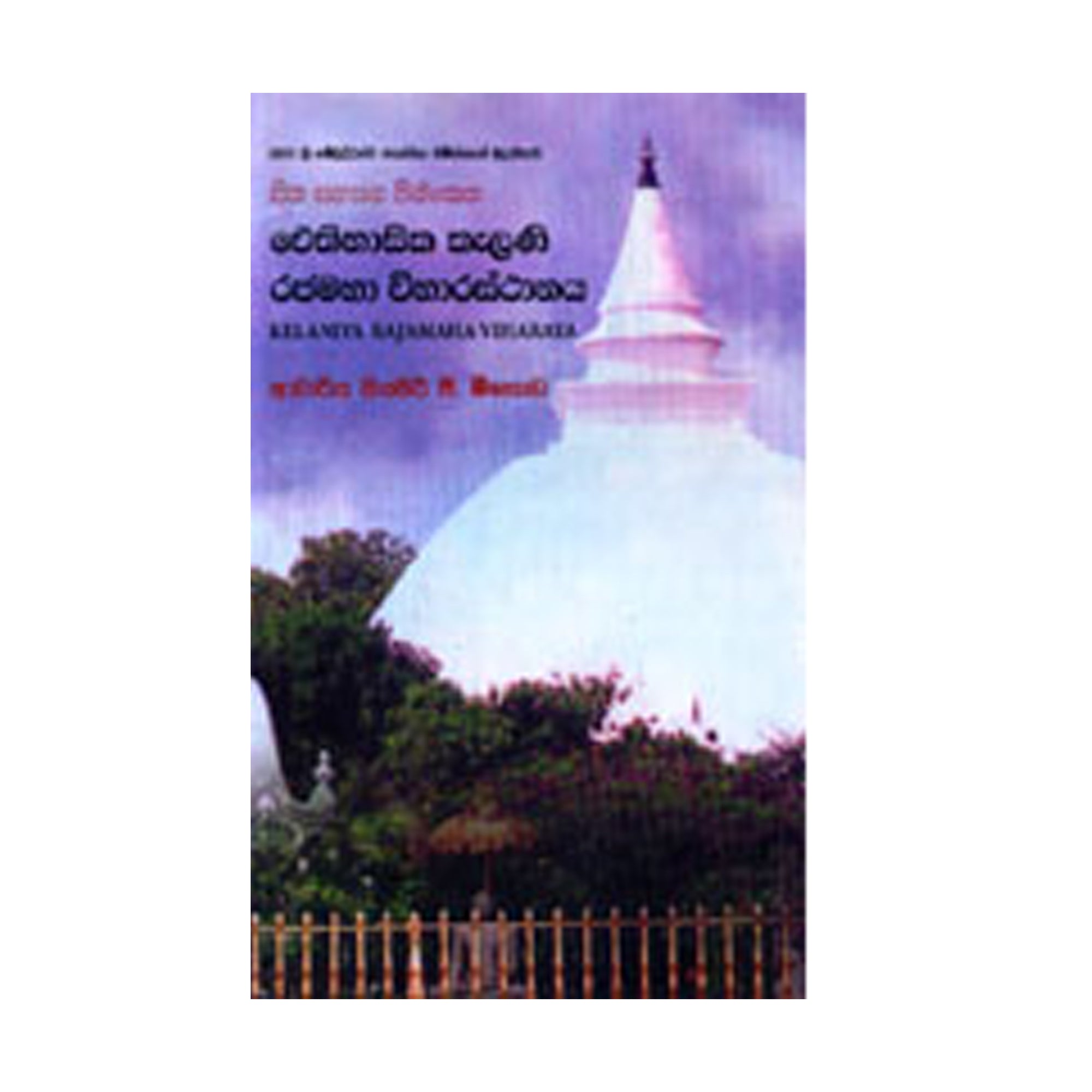
Kotte Rajamaha Viharaya stands as one of the most historically significant Buddhist temples in the Western Province, its roots reaching back to the golden age of the Kingdom of Kotte. Located in Sri Jayawardenepura Kotte — today the legislative capital of Sri Lanka — the temple sits close to the Pita Kotte junction on Kotte Road, near the historic Pita Kotte Gal Ambalama. The Government of Sri Lanka has formally recognised it as an archaeological site, a status that underlines both its age and its cultural weight.
What is the history of Kotte Rajamaha Viharaya?
The temple traces its founding to the reign of King Parakramabahu VI (1415–1467), the last monarch to unite all of Sri Lanka under a single rule from the Kingdom of Kotte. He ordered the temple's construction close to his royal palace so that the Sangha — the community of Buddhist monks — could be supported conveniently with the full resources of the court. Under his patronage, the original complex was completed in its entirety, making it a royal vihara in the truest sense.
The Kingdom of Kotte was also a period of remarkable literary and artistic output, often called the Kotte literary age, and this temple was part of the broader cultural patronage that defined the era. Scholars and monks who contributed to that literary tradition were closely associated with the royal court and its temples.
How was the temple destroyed and later restored?
During the Dutch colonial period, Kotte Rajamaha Viharaya was almost entirely demolished. Dutch forces systematically cleared much of the Kotte fortified town, and the temple did not escape that destruction. Architectural elements, artifacts, and religious objects were removed or lost, leaving little more than scattered ruins on the original site.
The temple's revival came in 1818, when Venerable Pilane Buddha Rakkitha Thero identified the remnants of the original structure and began the process of re-establishment. By that point, only a handful of elements had survived: parts of the ancient stupa, sections of the Katharagama Devalaya, and a number of stone pillars. These surviving fragments now serve as tangible evidence of the temple's 15th-century origins and are preserved within the current temple compound.
What can visitors see at Kotte Rajamaha Viharaya today?
The present temple complex blends its ancient remnants with structures rebuilt over the two centuries since 1818. Among the most notable features are:
- Ancient stupa remains: Partial ruins of the original dagoba, which date to the Kingdom of Kotte period, are visible within the compound.
- Katharagama Devalaya sections: Surviving stonework from the original devalaya dedicated to the deity Katharagama offers a rare glimpse of 15th-century religious architecture.
- Stone pillars: Several original pillars remain standing, providing a sense of the scale and craftsmanship of the royal-era construction.
- Pita Kotte Gal Ambalama: This historic rest-house immediately adjacent to the temple precincts is itself a heritage structure worth noting during a visit.
As an active place of worship, the temple holds regular puja ceremonies and draws devotees from across the Western Province. Visitors are welcome to observe religious observances respectfully, following the standard protocol of removing footwear before entering shrine rooms and dressing modestly.
Where exactly is Kotte Rajamaha Viharaya located?
The temple sits within Sri Jayawardenepura Kotte, the city that serves as Sri Lanka's parliamentary capital. It is easily accessible from central Colombo — the two cities share a continuous urban boundary, and the journey by car or tuk-tuk typically takes well under 30 minutes from Fort or Kollupitiya. The Pita Kotte junction on Kotte Road is the clearest landmark for navigation.
Visitors combining the temple with a broader capital-area itinerary can pair it with sites such as the Colombo Lotus Tower, which is visible from many parts of the surrounding urban area, or include it as part of a Colombo city tour that takes in the Western Province's layered historical geography.
What is the archaeological and religious significance of the site?
The Government of Sri Lanka's decision to gazette Kotte Rajamaha Viharaya as an archaeological site places it under the protection of the Central Cultural Fund and the Department of Archaeology. This designation means that any development or restoration work within the site must be carried out in accordance with national heritage law, ensuring that the remaining original fabric is not compromised.
From a religious perspective, the temple is categorised as a Raja Maha Viharaya — a designation reserved for temples that have historically received royal patronage and that hold a formal position within the hierarchy of Sri Lankan Buddhist institutions. This status gives the temple both ceremonial importance and a continued role in the religious life of the surrounding community.
Is Kotte Rajamaha Viharaya worth visiting for heritage travellers?
For anyone with an interest in Sri Lanka's medieval history, the temple offers something that more visited royal-era sites do not always provide: an intimate, relatively uncrowded encounter with the physical evidence of the Kotte period. The surviving stone pillars and stupa remnants sit alongside a living, working temple community, which gives the site a quality that purely archaeological sites sometimes lack.
Heritage travellers who want to understand the arc of Sri Lankan Buddhist architecture — from the great ancient cities of the north-central plains, such as Polonnaruwa, through to the Kotte period and beyond — will find this temple a meaningful addition to a Colombo-area itinerary. The proximity to the parliament buildings also makes it possible to visit as part of a half-day outing from Colombo without requiring significant additional travel time.
Practical visitor information
| Detail | Information |
|---|---|
| Location | Pita Kotte Junction, Kotte Road, Sri Jayawardenepura Kotte, Western Province |
| Nearest city | Colombo (approximately 10–12 km) |
| Entry fee | No fixed entry fee (active temple; donations customary) |
| Dress code | Shoulders and knees covered; footwear removed inside shrine areas |
| Best visiting time | Early morning or late afternoon, when puja ceremonies are typically held |
| Archaeological status | Gazetted archaeological site, Sri Lanka |
Nearby places
10 places within about 25 km, nearest first.