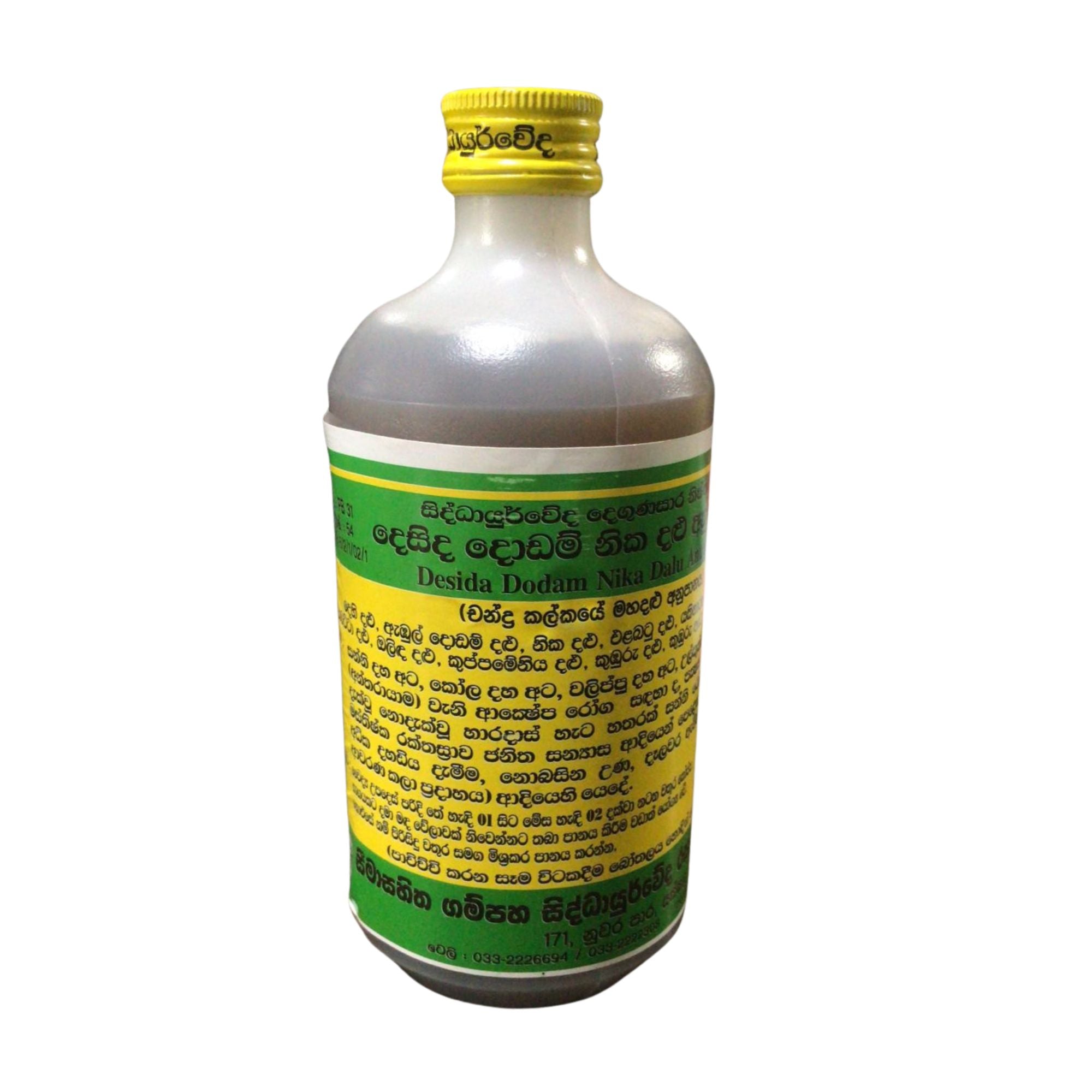




Sida spinosa, commonly known as prickly fanpetals or spiny sida, is a small herbaceous shrub that belongs to the Malvaceae family. In Sri Lanka it forms part of the island's rich catalogue of ayurvedic medicinal plants, where indigenous practitioners have drawn on its therapeutic properties for centuries. While modest in appearance, the plant occupies an important place in traditional healing systems across South and Southeast Asia.
What is Sida spinosa and where does it grow in Sri Lanka?
Sida spinosa is a low-growing annual or short-lived perennial shrub, typically reaching 30–90 cm in height. It is identified by its small pale-yellow flowers, toothed leaves, and the distinctive paired spines at the base of each leaf petiole — the feature that gives the species its name. The plant favours disturbed ground: roadsides, cultivated margins, scrubland, and the edges of paddy fields are all typical habitats.
In Sri Lanka the plant is found widely in the dry and intermediate zones, thriving in well-drained, often nutrient-poor soils across the lowland plains. Its tolerance for dry conditions means it appears naturally in the areas around ancient irrigation civilisations, including regions near Polonnaruwa, where traditional agriculture and herbal knowledge have coexisted for millennia.
What is the Sinhala name and traditional classification of Sida spinosa?
In Sinhala the plant is generally called Kurunduwäna or, in some regional traditions, Kurundu Wana Beli. Sanskrit Ayurvedic texts recognise it under the name Bala — a term shared with the closely related Sida cordifolia — reflecting how ancient practitioners grouped plants with similar therapeutic actions rather than strict botanical taxonomy. Tamil traditional medicine also employs the plant under the name Niruri in certain regional dialects, though naming conventions vary across sources.
Within classical Ayurvedic classification, Sida spinosa is considered to have a predominantly sweet (madhura) taste with heating post-digestive action. It is assigned to the group of plants that support vata balance and promote strength and vitality.
What are the traditional medicinal uses of Sida spinosa in Ayurveda?
Sri Lanka's ayurvedic tradition attributes a range of therapeutic actions to Sida spinosa. The roots, leaves, and seeds are the parts most commonly employed in classical preparations. Documented traditional applications include:
- Adaptogenic and tonic properties: Root preparations have long been used to support general vitality and recovery from debility, paralleling the use of the related species Sida cordifolia.
- Anti-inflammatory action: Poultices made from the leaves are applied in folk practice to soothe localised inflammation, joint pain, and minor wounds.
- Fever management: Decoctions of the aerial parts have been recorded as part of traditional fever-management protocols in several South Asian systems.
- Urinary tract support: Classical texts mention diuretic properties, and the plant appears in some compound formulations aimed at supporting healthy urinary function.
- Respiratory support: In certain regional traditions the plant is prepared as a component in remedies for coughs and bronchial conditions.
It should be noted that these uses reflect historical and traditional knowledge. Anyone seeking treatment for a medical condition should consult a qualified ayurvedic physician or conventional healthcare provider.
How does Sida spinosa fit into Sri Lanka's broader ayurvedic heritage?
Sri Lanka's ayurvedic tradition is among the oldest living medical systems in the world, drawing on texts such as the Charaka Samhita and Sushruta Samhita alongside local Sinhala medical manuscripts. The island's exceptional biodiversity — spanning rainforest, montane cloud forest, dry scrubland, and coastal wetland — means that Sri Lankan herbalists have access to an unusually wide pharmacopoeia.
Sida spinosa sits alongside other well-known medicinal species in this canon. Plants such as Pongamia pinnata and Acacia chundra are equally embedded in Sri Lankan traditional medicine, with each species serving distinct therapeutic roles within compound formulations and single-herb preparations. Practitioners at government-recognised institutions such as the Gampaha Wickramarachchi Ayurveda Institute continue to research and document these plants in a modern scientific context.
The Department of Ayurveda, functioning under Sri Lanka's Ministry of Health, maintains an official register of medicinal plants used in the island's licensed practice — Sida spinosa features in this catalogue as a recognised herb.
What active compounds have been identified in Sida spinosa?
Phytochemical investigations of Sida spinosa have identified several classes of bioactive compounds that may help explain its traditional applications:
- Alkaloids: The plant contains ephedrine-type alkaloids in small concentrations, which have attracted scientific attention in relation to its stimulant and bronchodilatory traditional uses.
- Flavonoids and phenolic compounds: These contribute antioxidant activity documented in laboratory studies.
- Sterols and triterpenes: Including beta-sitosterol, which appears across multiple medicinally important plants in the Malvaceae family.
- Mucilaginous polysaccharides: Present in the leaves and stems, consistent with the plant's folk use in soothing applications.
Research into Sida spinosa remains an active area. Peer-reviewed studies from South Asian institutions have examined antimicrobial, anti-inflammatory, and analgesic activities in laboratory settings, though large-scale clinical trials are limited.
Can travellers encounter Sida spinosa during a Sri Lanka visit?
For visitors with an interest in traditional medicine and ethnobotany, Sri Lanka offers several meaningful ways to engage with plants like Sida spinosa in their natural and cultural context. Ayurvedic gardens attached to larger wellness resorts and government herbal parks display and label a wide range of medicinal species. The Sinharaja Forest Reserve and surrounding buffer zones, though primarily renowned for endemic wildlife, also support an extraordinary density of medicinal plant species used by local communities.
Village-based cultural tours and rural home visits — particularly in the dry zone — often reveal hedgerows and field margins where Sida spinosa grows alongside other traditional plants, offering an unhurried opportunity to learn how local families still interact with herbal medicine in everyday life.
How is Sida spinosa used in classical ayurvedic compound preparations?
The plant is most frequently encountered not as a standalone remedy but as an ingredient in classical multi-herb formulations. In certain preparations it functions as a supporting herb (anupana) that enhances the bioavailability or action of the primary medicinal ingredient. Roots of Sida spinosa — sometimes in combination with related Sida species in a group collectively called Panchmoola in Ayurvedic pharmacology — appear in decoctions, medicated oils, and churna (powdered) preparations designed to address fatigue, musculoskeletal conditions, and respiratory complaints.
Quality of preparation, sourcing of raw plant material, and correct identification of the species are all critical factors in traditional practice — distinctions that trained ayurvedic physicians and licensed herbal suppliers in Sri Lanka take seriously.
Other species in this genus
6 more, sharing the same genus.