



Sida acuta, commonly known as wireweed or Common Fanpetals, is a small but botanically significant plant that has occupied an important place in Sri Lanka's Ayurvedic pharmacopoeia for centuries. Found growing across roadsides, open fields, and disturbed land throughout the island, this low-growing shrub is far more than a common weed — it is a recognized medicinal herb whose roots, leaves, and stems are used in traditional healing systems across South and Southeast Asia.
What is Sida acuta and where does it grow in Sri Lanka?
Sida acuta belongs to the family Malvaceae and is a pantropical species, meaning it thrives across tropical regions worldwide. In Sri Lanka, it grows readily in the lowland dry and intermediate zones, often appearing along field margins, scrubland, and disturbed habitats at lower elevations. The plant is characterized by its narrow, toothed leaves, wiry stems, and small yellow flowers that open in the morning hours. It produces a distinctive burr-like fruit that clings to clothing and animal fur, which accounts for its wide dispersal across the island.
Despite its modest appearance, Sida acuta is listed in the catalog of Ayurvedic medicinal plants recognized by Sri Lanka's Department of Ayurveda, acknowledging its documented therapeutic applications within the indigenous medical tradition.
What are the traditional Ayurvedic uses of Sida acuta?
In Sri Lankan and broader South Asian Ayurvedic practice, Sida acuta is used across several therapeutic categories. The plant is considered to have properties that support the treatment of inflammatory conditions, nervous disorders, and skin ailments. Traditional formulations make use of different parts of the plant for different purposes.
- Roots: Preparations involving the root are traditionally associated with treating fevers and urinary complaints. The root is considered to have diuretic and antipyretic properties.
- Leaves: Leaf preparations have been applied externally for wound healing and as a poultice for skin irritations. Internally, leaf decoctions are used in formulations targeting fatigue and general debility.
- Whole plant: In some classical formulations, the entire aerial portion of the plant is used as a tonic, particularly in preparations aimed at supporting muscle strength and nervous system function.
Within the classical Ayurvedic classification system, Sida acuta is categorized under the Bala group of herbs — plants recognized for their strengthening and tonic properties. Other members of the genus Sida share similar therapeutic profiles, and several species are used interchangeably or in combination in traditional formulations.
How does Sida acuta relate to classical Ayurvedic formulations?
Sri Lanka's Ayurvedic tradition draws from both classical Indian texts such as the Charaka Samhita and Sushruta Samhita and locally developed medicinal knowledge refined over millennia. Sida acuta appears in compound formulations rather than typically as a standalone remedy. It is often combined with other recognized medicinal plants — such as Pongamia pinnata and Acacia chundra — in preparations targeting specific therapeutic goals.
The herb is also referenced in connection with traditional compound preparations used for rheumatic conditions and nervous weakness, where combinations of tonic herbs are considered more effective than single-herb remedies. Practitioners working within Sri Lanka's registered Ayurvedic system may use Sida acuta as one component in formulated treatments prescribed after a formal consultation.
What does modern research say about Sida acuta?
Ethnobotanical and phytochemical research has increasingly turned attention to plants like Sida acuta that have long histories of traditional use. Preliminary studies have identified several bioactive alkaloids in the plant, most notably ephedrine and related compounds, which may partially explain its traditional use in conditions involving fatigue and muscular weakness. Researchers have also investigated its antimicrobial and anti-inflammatory properties in laboratory settings.
It is important to note that while such findings are promising, clinical trials in humans remain limited. The plant's traditional applications should be understood within the context of a holistic Ayurvedic framework, ideally under the guidance of a qualified Ayurvedic physician, rather than as a substitute for modern medical care. Sri Lanka's indigenous medical system continues to be regulated and developed through institutions such as the Ministry of Indigenous Medicine.
Where can Sida acuta be found in Sri Lanka's Ayurvedic context?
Those interested in Sri Lanka's living Ayurvedic tradition will find it deeply embedded in everyday life, particularly in rural communities. Village healers, known as vedamahattayas, have long recognized plants like Sida acuta as part of a wider botanical repertoire gathered from the local landscape. Herbal gardens attached to Ayurvedic clinics and teaching institutions across the island frequently include Sida acuta among their documented collections.
For visitors, a deeper appreciation of Sri Lanka's medicinal plant heritage is often gained through experiences in environments where traditional and natural knowledge is actively maintained — from the biodiversity-rich corridors of the Sinharaja Forest Reserve to community herb gardens in rural villages.
How should Sida acuta be used safely?
Like many medicinal plants that contain pharmacologically active compounds, Sida acuta should be approached with care. Self-medication using wild-harvested plant material is not recommended, as correct identification, preparation method, dosage, and appropriate indication all depend on trained knowledge. The presence of alkaloids means that incorrect use or excessive quantities could pose risks.
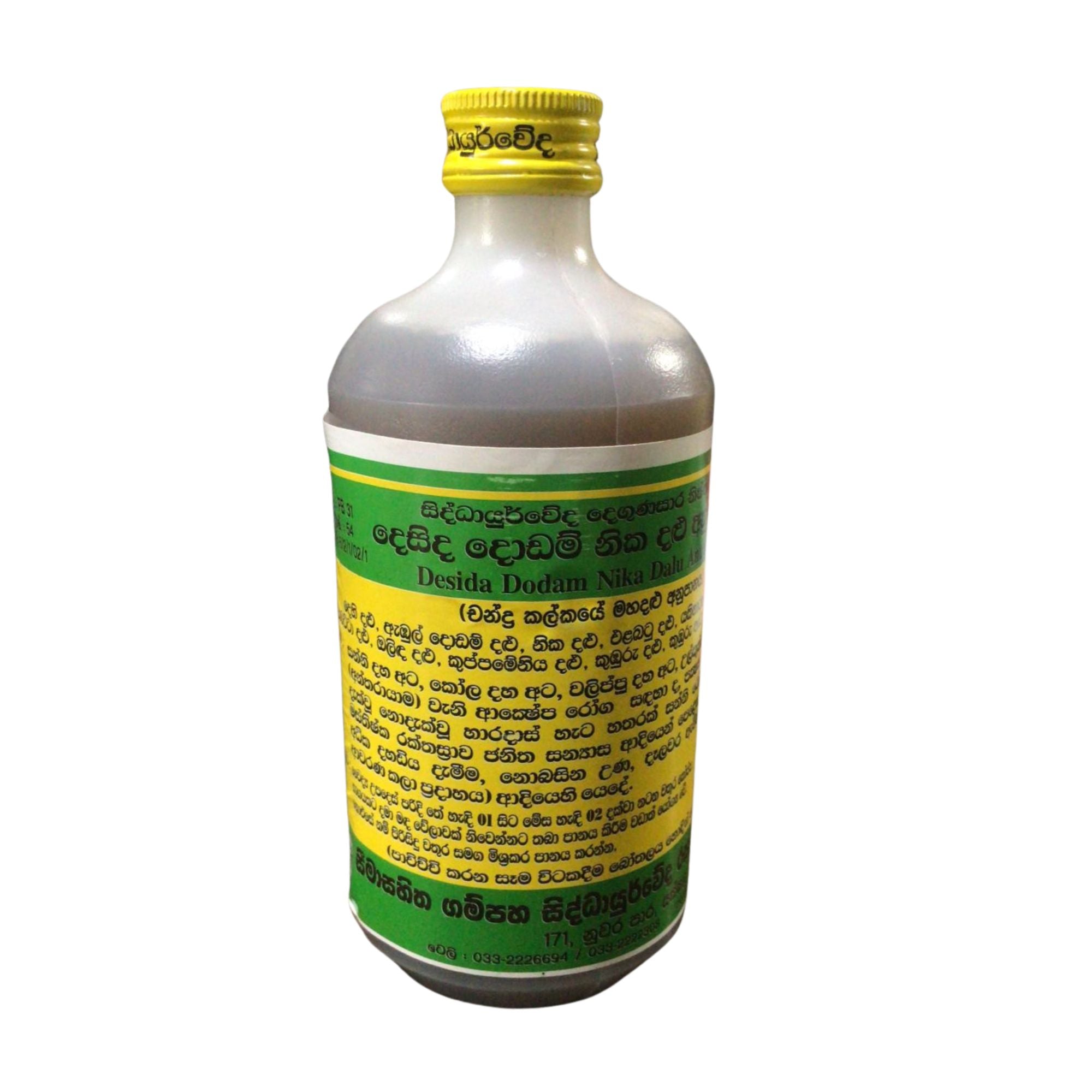
In Sri Lanka, Ayurvedic practitioners registered with the relevant regulatory authorities are the appropriate point of contact for anyone seeking treatment within this traditional system. Commercially prepared Ayurvedic formulations incorporating Sida acuta are available through licensed outlets and typically carry labelling and dosage guidance.
Other species in this genus
6 more, sharing the same genus.