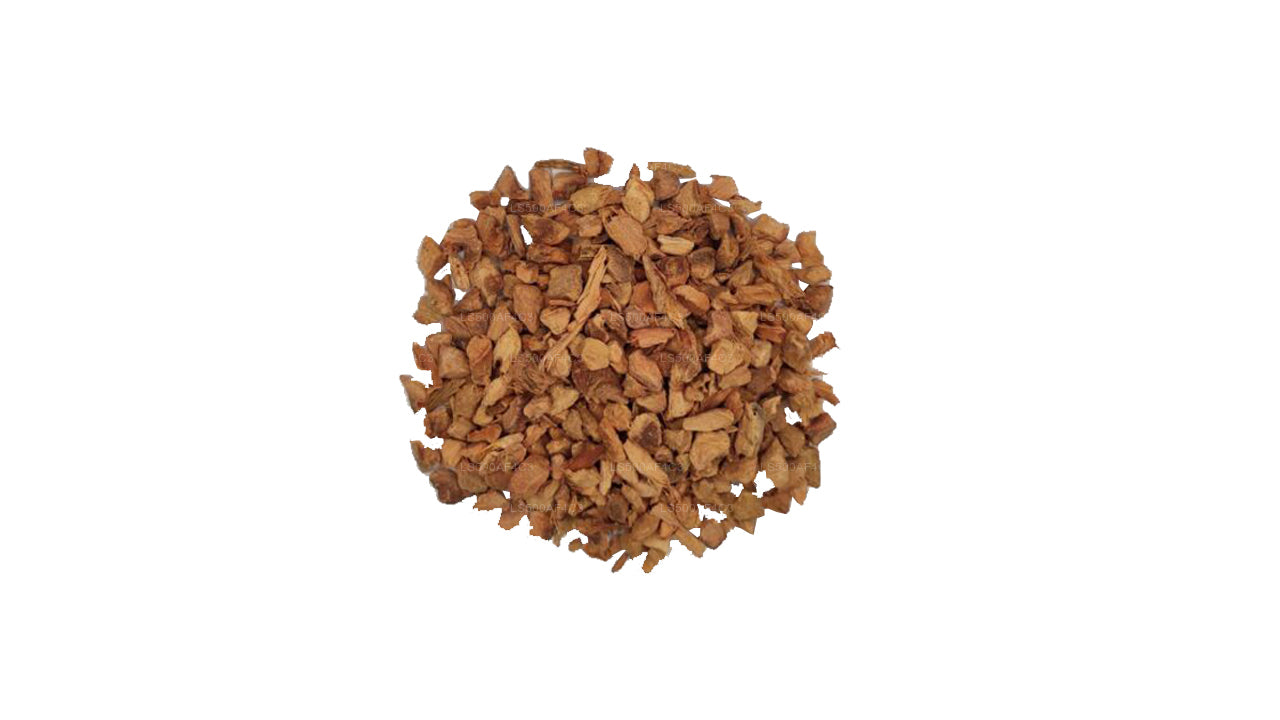
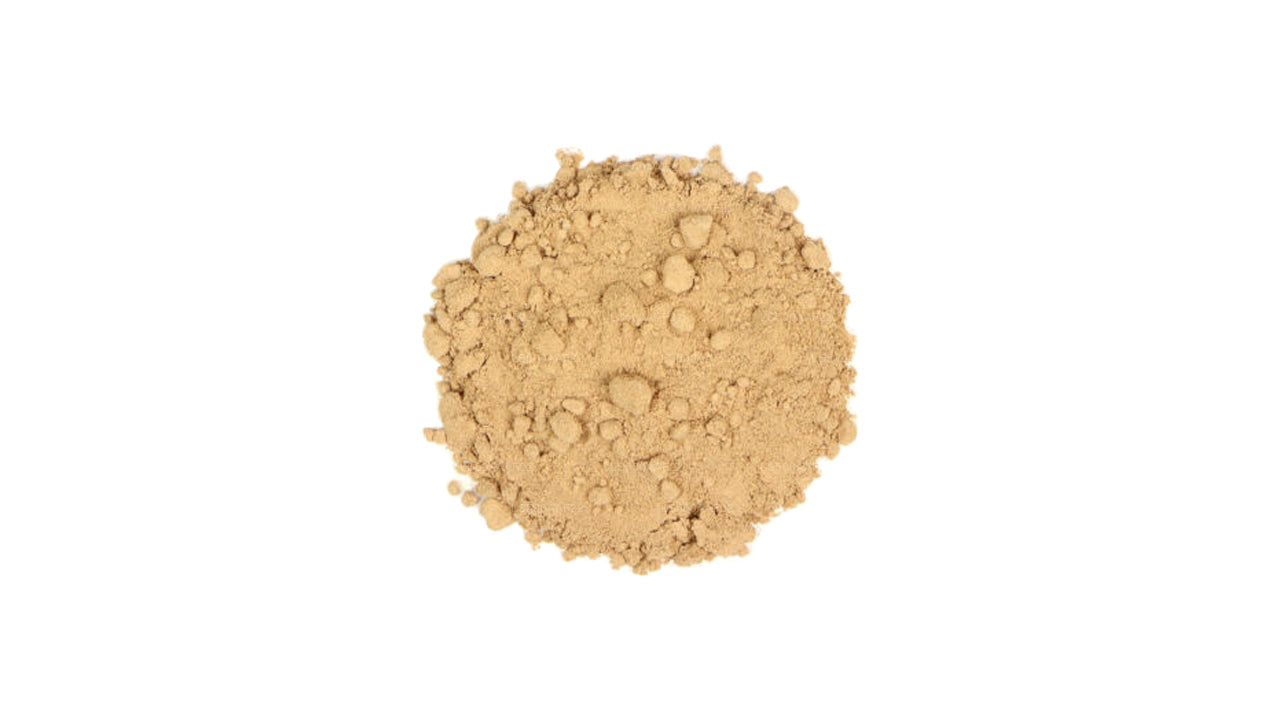
Sri Lanka's agricultural landscape carries far more than rice and spice. Beneath the soil of its forests, home gardens, and hillside plots, a rich world of roots and tubers has sustained communities for centuries. The island is home to around 55 identified traditional yam and tuber species, thriving across a wide range of elevations and soil types — from the humid lowlands to the drier northern plains. Quietly resilient and nutritionally dense, these crops are now drawing renewed attention from farmers, nutritionists, and food security researchers alike.
What makes Sri Lankan yams ecologically important?
Yams and tubers require comparatively low agricultural inputs — less water, less synthetic fertiliser, and fewer pest interventions than many staple crops. This makes them well suited to smallholder farming systems where resources are limited. Their deep root structures help stabilise soil and reduce erosion, while their ability to thrive in marginal land means they do not necessarily compete with other food crops for prime agricultural space.
The Dioscorea genus is the most significant group among Sri Lanka's yam species. Of the more than 600 Dioscorea species identified globally, close to 40 are cultivated locally. This concentration in a single island nation reflects both the biodiversity of Sri Lanka's ecosystems and the depth of traditional agricultural knowledge that has been passed down through farming communities. Forests such as the Sinharaja Forest Reserve harbour wild relatives of cultivated species, serving as living gene banks for future plant breeders.
What nutritional value do yams and tubers offer?
Yams are a meaningful source of complex carbohydrates, dietary fibre, potassium, manganese, copper, and vitamin C. Unlike refined starches, they release energy gradually, which is associated with more stable blood sugar levels. Certain species also contain phytoestrogens and other bioactive compounds that have long been used in traditional Ayurvedic and Sinhala medicine.
Despite this nutritional profile, yams remain underrepresented in mainstream Sri Lankan diets today. Many species that were common in rural kitchens a generation ago are now rarely seen in urban markets. Reviving their culinary presence is not simply a matter of tradition — it represents a genuine opportunity to diversify nutrition and reduce dependence on a narrow range of staple foods.
Which yam and tuber species are most commonly found in Sri Lanka?
- Rathu Kesavaralu (Dioscorea alata) — one of the most widely cultivated yam species, valued for its large tubers and adaptability.
- Nil Kesavaralu (Dioscorea esculenta) — a smaller, sweeter variety favoured in home gardens.
- Seetala (Dioscorea oppositifolia) — native to South Asia and found in both cultivated and semi-wild settings across Sri Lanka.
- Kohila (Lasia spinosa) — a wetland tuber with deep roots in traditional cooking, particularly in southern Sri Lanka.
- Kiri Ala (Colocasia esculenta) — a taro variety used in everyday dishes and ceremonial cooking alike.
- Wel Ala (Amorphophallus paeoniifolius) — an elephant foot yam found in home gardens and traded at village markets.
- Innala (Solenostemon rotundifolius) — a small, starchy tuber often stir-fried with coconut and dried spices.
Many of these varieties remain closely tied to the rhythms of traditional village life, harvested seasonally and prepared according to recipes carried through generations rather than written cookbooks.
How are roots and tubers woven into Sri Lankan culture?
Root crops occupy a place in Sri Lankan cultural life that goes well beyond the dinner table. In rural communities, the seasonal harvest of tubers has long marked the passage of time and reinforced bonds between families and land. Buddhist values of simplicity and respect for nature align naturally with crops that ask little of the earth and offer much in return.
During Vesak and other poya observances, simple preparations of yams and tubers appear in the dansala — communal food offerings distributed to passers-by as an act of merit. The Esala Perahera Festival in Kandy, one of the grandest religious processions in Asia, is framed by a season when traditional foods including tubers feature prominently in temple kitchens. The deeper cultural pattern is consistent: these crops anchor communities to place and season in ways that more commercially traded foods rarely do.
Traditional knowledge around yam cultivation — which varieties to plant on which soils, how to cure tubers for long storage, and which parts of a plant carry medicinal properties — is held by older farming communities and is increasingly recognised as a form of intangible heritage worth preserving.
What is the agricultural future of yams and tubers in Sri Lanka?
Growing interest in food sovereignty and climate-resilient agriculture has brought yams and tubers back into the conversation at both policy and research levels. Agricultural scientists at Sri Lankan universities and the Department of Agriculture have been working to document traditional varieties, improve propagation methods, and support farmers in scaling up production where market demand exists.
Yams fit well into agroforestry models — they can be intercropped with trees and shrubs, making use of shaded land that would otherwise go unproductive. For smallholder farmers managing mixed plots, this is a practical advantage. The crops also lend themselves to value-added processing: dried and powdered tubers have potential as health food ingredients, and several Sri Lankan producers have begun exploring this avenue.
The parallel with other traditional Sri Lankan agricultural products is instructive. Just as Ceylon Green Tea evolved from a local crop into a globally recognised export, there is an argument that high-quality, traceable Sri Lankan yam products could find a market among health-conscious consumers abroad — provided the supply chain and quality standards are developed thoughtfully.
How do yams connect to Sri Lanka's village tourism experiences?
For travellers interested in authentic rural experiences, yam cultivation and preparation offer a genuine point of engagement with Sri Lankan village life. Visits to working home gardens, participation in harvest activities, and hands-on cooking sessions centred on traditional tuber dishes are available through village-based tourism programmes in areas such as the Cultural Triangle and the hill country.
The traditional paddy field (Kumbura) experience, which immerses visitors in wet-zone farming culture, sits within the same tradition of agricultural heritage tourism that increasingly draws travellers seeking depth over spectacle. Yam-focused experiences complement this well, offering a quieter, more intimate look at how Sri Lanka has fed itself across many centuries.
Traditional preparations worth tasting when visiting rural areas include kohila curry braised with coconut milk, innala stir-fried with tempered mustard and dried red chilli, and kiri ala steamed and served alongside lunu dehi — a sharp lime and chilli pickle that cuts through the starch pleasantly.
Can yams and tubers help address global food security?
The Food and Agriculture Organization of the United Nations has long recognised roots and tubers as strategic crops for food security, particularly in regions vulnerable to climate disruption. Their tolerance of erratic rainfall, ability to grow in poor soils, and long storage life after harvest make them dependable in ways that more input-intensive crops are not.
Sri Lanka's documented diversity of Dioscorea species gives it a rare resource: a living library of genetic variation that plant breeders could draw on to develop varieties adapted to shifting growing conditions elsewhere in the world. Protecting that diversity — which means protecting both the plants themselves and the farming knowledge that surrounds them — is therefore a matter of global, not merely local, significance.
Related reading
2 pages on closely related subjects.