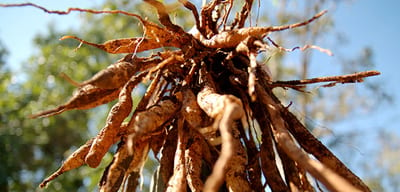
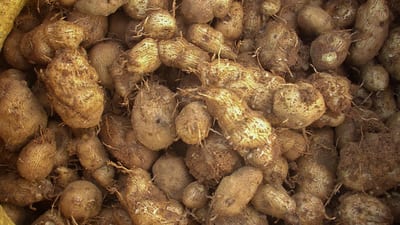
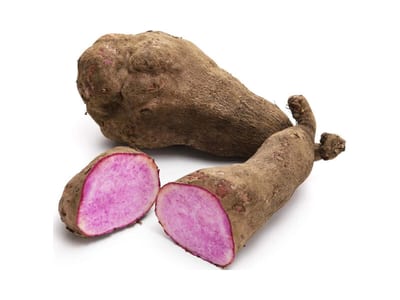
Dioscorea pentaphylla, commonly called the five leaf yam, is a climbing vine in the family Dioscoreaceae. In Sri Lanka it is known as Katu Ala (කටු අල), a name that reflects the plant's slightly prickly stems. Though less celebrated than its smoother relatives, it has sustained rural communities across South and Southeast Asia for centuries as a reliable wild and cultivated food source.
What is the scientific classification of five leaf yam?
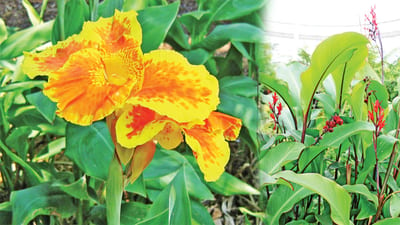
Five leaf yam belongs to the genus Dioscorea, which contains several hundred species of tuberous vines distributed across tropical and subtropical regions worldwide. The species name pentaphylla derives from Greek, meaning "five leaves," a direct reference to the plant's characteristic compound leaves, which typically carry five leaflets arranged in a palmate pattern. It sits in the same botanical family as widely consumed yams such as Dioscorea alata (purple yam) and Dioscorea esculenta.
Where does five leaf yam grow naturally?
The species is native to a broad arc stretching across southern and eastern Asia, from the Indian subcontinent through mainland Southeast Asia into southern China, and onward to New Guinea and the northern fringes of Australia. It has been naturalized in parts of the Caribbean, including Cuba, and on various Pacific island chains where it arrived alongside human migration.
In Sri Lanka, Katu Ala is found in secondary forests, forest margins, and home gardens across the wet and intermediate zones. It typically climbs through adjacent shrubs and trees, using them for support as it extends its vines. The Sinharaja Forest Reserve and surrounding buffer zones represent the kind of dense, humid habitat where the plant thrives in its semi-wild state.
How large does five leaf yam grow?
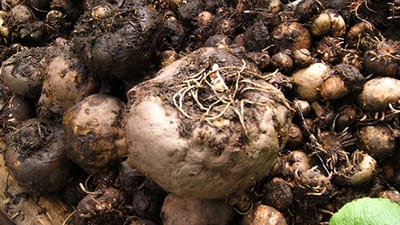
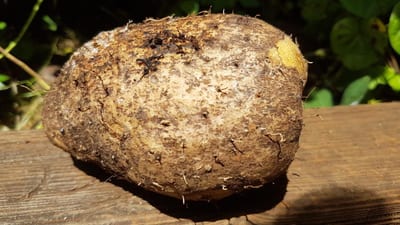
The vine can extend to around 10 meters in length under favorable conditions, twining vigorously around supporting vegetation. The tubers produced underground are smaller and more irregular in shape than those of commercially dominant yam varieties, which partly explains why Katu Ala remains a niche crop rather than a mainstream commodity. Stems may carry fine spines, giving the plant its Sinhala descriptor katu, meaning thorny or prickly.
How is five leaf yam used as a food crop?
The tubers are the primary edible part. They are typically boiled, steamed, or incorporated into curries and are regarded as a nutritious starchy staple that can supplement or substitute for rice during lean agricultural periods. In rural Sri Lanka, Katu Ala has traditionally been a food-security crop: resilient, requiring minimal inputs, and capable of being harvested from the wild when cultivated supplies run short.
The tubers contain a mild bitterness that is usually reduced by cooking with changes of water or by soaking before preparation. Nutritionally, yam tubers are a good source of complex carbohydrates, dietary fiber, and certain B vitamins, though specific values vary by cultivar and growing conditions.
Does five leaf yam have medicinal or traditional uses?
Within the Ayurvedic and traditional Sri Lankan medicine traditions, various Dioscorea species are valued for their steroidal saponin content, compounds that have drawn interest in pharmaceutical research as precursors to steroid synthesis. Folk uses for related yam species include applications for joint pain and inflammatory conditions, though clinical evidence specific to Dioscorea pentaphylla remains limited. Practitioners of traditional medicine sometimes incorporate the tuber into formulations aimed at strengthening the body during convalescence.
Sri Lanka's rich tradition of forest-derived plant medicines places Katu Ala alongside other lesser-known botanical resources. Plants such as Pongamia pinnata illustrate how the island's flora has long supplied both nutrition and healing remedies to local communities.
How is five leaf yam cultivated?
Cultivation typically begins with tuber cuttings or whole small tubers planted at the onset of the rainy season. The vine grows rapidly once established and benefits from a simple trellis or proximity to a sturdy tree. It tolerates a range of well-drained soils but performs best in loamy, humus-rich conditions with consistent moisture. Harvest generally takes place after the aerial parts of the plant die back, signaling that the tubers have reached maturity.
Because the plant is well adapted to marginal land and low-input farming systems, it fits naturally into agroforestry arrangements and home garden plots — cultivation models that remain common across Sri Lanka's rural landscape.
Is five leaf yam related to other plants found in Sri Lanka?
Sri Lanka hosts several Dioscorea species, including the more widely cultivated Dioscorea alata and Dioscorea esculenta. Katu Ala is among the wilder, less domesticated members of this group on the island. It shares ecological space with a range of climbing and forest-edge plants that characterize Sri Lanka's biodiversity-rich secondary forests and buffer zones.
The island's botanical diversity extends well beyond yams. Spice plants such as Ceylon black pepper and aromatic trees like Syzygium aromaticum (clove) occupy neighboring niches in the same humid lowland and mid-country forests, underscoring how densely layered Sri Lanka's edible and medicinal plant heritage truly is.
What is the conservation status of Dioscorea pentaphylla?
The species is not currently listed as threatened globally, given its wide native range and capacity to naturalize in new territories. However, like many wild food plants, it faces localized pressure from habitat loss as forest margins are cleared for agriculture or development. In Sri Lanka, the gradual erosion of traditional knowledge about wild edible plants means that species like Katu Ala risk being forgotten even where the plants themselves persist.
Efforts to document and promote indigenous food plants — including yams — form part of a broader movement to preserve both biodiversity and intangible cultural heritage in Sri Lanka. Community-based conservation projects and botanical gardens on the island increasingly include native food plants in their collections and educational programs.