Canna indica, widely known as Indian Shot, is a striking perennial plant with a history as layered as its tropical origins. Long before it became a garden ornamental recognised across the world, it served as a food source for indigenous communities in the Americas and a remedy in traditional medicine systems across Asia. In Sri Lanka, the plant holds a quiet but meaningful place in the catalogue of Ayurvedic medicinal plants — a list that spans centuries of botanical knowledge.
What is Indian Shot and where does it come from?
Canna indica belongs to the family Cannaceae, a small and botanically distinctive family with only one genus. Its exact original habitat is difficult to pin down — botanists believe it was cultivated so extensively by pre-Columbian peoples that its true wild range has become obscured. What is clear is that its roots lie in much of South America, Central America, Mexico, and the West Indies, where indigenous communities cultivated it as a minor food crop for thousands of years.
The plant's hard, spherical seeds — which rattle inside the dried seed pod — are thought to be the origin of its common English name. The seeds were historically used as shot in blowguns and as beads in jewellery and percussion instruments across the Americas.
How widely has Indian Shot naturalised around the world?
Today, Canna indica grows far beyond its native range. It has naturalised in the southeastern United States (notably Florida, Texas, Louisiana, and South Carolina), across much of Europe, sub-Saharan Africa, Southeast Asia, and Oceania. This wide distribution is largely the result of deliberate cultivation for ornamental and agricultural purposes over centuries, followed by the plant's ability to establish itself in warm, moist environments.
In Sri Lanka, it is typically found growing along roadsides, in home gardens, and near water in lowland and mid-elevation areas. Its original habitat in the wild is associated with coastal zones and the temperate valleys of the Andes, where it grows at varying altitudes.
What does Indian Shot look like?
Indian Shot is a robust herbaceous plant that typically reaches up to 1.5 metres in height. It grows from a thick, fleshy rhizome and produces broad, paddle-shaped leaves in shades of green or bronze-purple, depending on the variety. The flowers — which appear in spikes at the top of each stem — range from deep red to orange and yellow, making the plant visually arresting in garden settings.
The seed capsule is covered in soft spines and contains the hard, dark seeds that give the plant its name. The overall structure is upright and architectural, which has made Canna indica a popular choice for tropical and sub-tropical garden design worldwide.
What is the significance of Indian Shot in Ayurvedic medicine?
In Sri Lanka, Canna indica is formally recognised within the Ayurvedic medicinal plant catalogue — a body of knowledge that draws on classical texts as well as centuries of localised practice. Ayurvedic traditions across South Asia have attributed various medicinal properties to different parts of the plant, including the rhizome, leaves, and seeds.
Practitioners have historically used preparations derived from the plant to address conditions related to fever, inflammation, and digestive function, among others. As with many plants in the Ayurvedic pharmacopoeia, Canna indica is typically used as one ingredient within a compound formulation rather than in isolation. Research into its bioactive compounds is ongoing, and interest in traditional plant medicine continues to grow alongside modern pharmacological study.
Was Indian Shot ever used as a food crop?
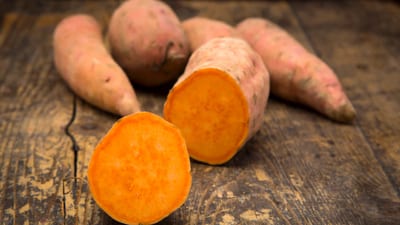
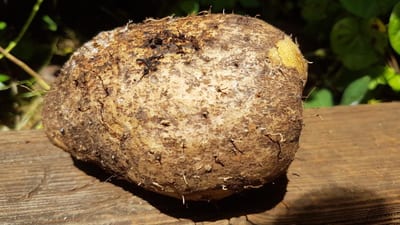
Yes. Before the plant became widely known as an ornamental, it was an important food plant for indigenous peoples of the Americas. The starchy rhizomes are edible and were consumed in a manner similar to other root vegetables. The starch extracted from Canna rhizomes — sometimes called Queensland arrowroot or Sierra Leone arrowroot — has been used in baking and as a thickening agent.
In parts of South and Southeast Asia, rhizome starch from Canna species has also been processed into noodles and other food products. While it no longer features prominently in Sri Lankan cuisine, the plant's dual identity as both food source and medicinal plant reflects the depth of its history in human culture.
Where can you see Indian Shot growing in Sri Lanka?
Indian Shot thrives in Sri Lanka's warm, humid climate and is adaptable enough to grow in a range of settings — from home gardens to the margins of wetlands and agricultural land. It is particularly common in the wetter lowland zones of the island. Visitors exploring rural areas or nature reserves may encounter it growing alongside other native and naturalised species.
Those with a deeper interest in Sri Lanka's botanical heritage may find it worthwhile to visit areas where traditional plant knowledge is actively preserved. The country's forest reserves and nature corridors — including the Sinharaja Forest Reserve — support a rich understory of medicinal and ethnobotanically significant plants, offering context for species like Canna indica within broader ecosystems.
What are the key facts about Indian Shot?
| Attribute | Detail |
|---|---|
| Scientific name | Canna indica |
| Family | Cannaceae |
| Common names | Indian Shot, Sierra Leone Arrowroot, Queensland Arrowroot |
| Sri Lankan common name | Indian Shot (කිරිඅල) |
| Average height | Up to 1.5 m |
| Native range | South America, Central America, Mexico, West Indies |
| Habitat | Coastal zones, temperate Andean valleys; widely naturalised in tropical and subtropical regions |
| Uses | Ornamental, food (rhizome starch), Ayurvedic medicine |
| Sri Lanka relevance | Listed in the Ayurvedic medicinal plant catalogue |
Related reading
1 pages on closely related subjects.