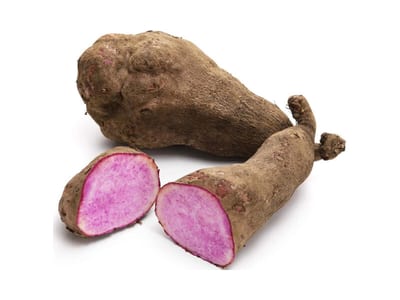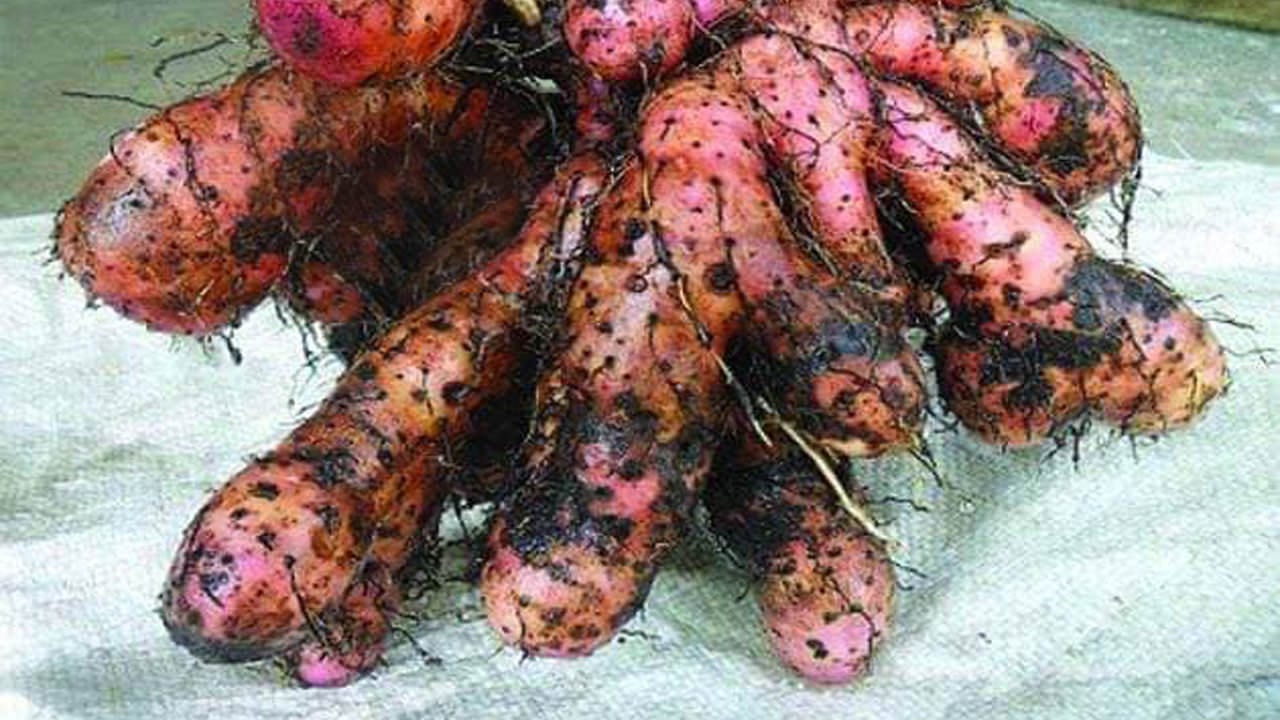
Higurala — known in scientific literature as Dioscorea alata — is a tropical yam widely found across Sri Lanka and throughout Asia and Africa. Sometimes called the purple yam or greater yam, it belongs to the family Dioscoreaceae and is one of the most cultivated yam species in the world. In Sri Lanka it is both an everyday food and part of the island's Ayurvedic and traditional-medicine heritage.
What exactly is Higurala?
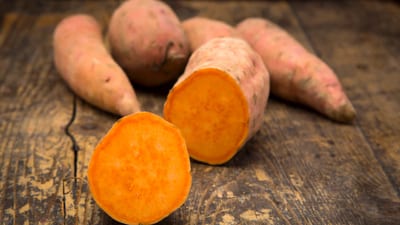
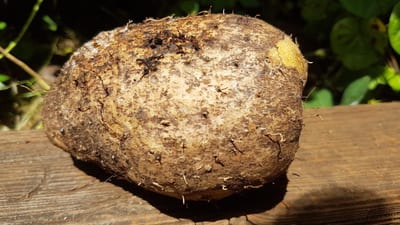
Dioscorea alata is a climbing vine that produces large underground tubers. The flesh of the tuber can range from white to pale lavender or deep purple depending on the variety, and the skin is typically rough and brown. In Sri Lanka the plant is most commonly known by its Sinhala common name, Higurala, though regional names can vary.
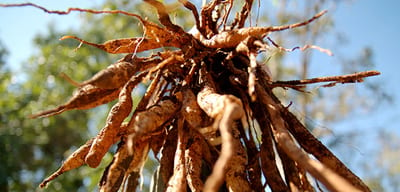
The tubers are starchy and mildly flavoured, making them adaptable in both savoury and sweet preparations. When cooked, the texture is firm yet creamy — closer to a floury potato than a watery root vegetable. The plant itself is a vigorous climber and thrives along forest edges, garden fences, and in mixed home gardens across the island's wet and intermediate zones.
Where does Higurala grow in Sri Lanka?
In its natural habitat, Dioscorea alata colonises the edges and canopy gaps of tropical rainforests and secondary woodlands. In Sri Lanka it grows most readily in the wet lowland regions — the south-west of the island — where annual rainfall is high and soils are well-drained and fertile. It also appears in home gardens and smallholder plots across the intermediate zone.
Globally, the species is native to tropical Asia and has spread through cultivation to Africa, the Caribbean, and the Pacific Islands. In Sri Lanka, both wild and cultivated forms exist. Cultivated varieties are typically selected for larger tubers and a more consistent flesh colour. The Sinharaja Forest Reserve and its surrounding buffer zones represent the type of humid lowland environment where wild yam relatives can still be found growing undisturbed.
What nutritional value does Higurala offer?
Yams in general are a source of complex carbohydrates, dietary fibre, and several micronutrients. Dioscorea alata contains vitamin C, potassium, and B vitamins; in purple-fleshed varieties the colour comes from anthocyanins, natural plant pigments.
As a food it is a starchy staple that can stand in for rice or potato at a meal. The tuber also contains some plant protein for a root vegetable, though it is not a protein-rich food by most standards.
What place does Higurala have in Sri Lanka's traditional-medicine heritage?
Dioscorea alata has a long place in Sri Lanka's Ayurvedic and hela wedakama heritage, and knowledge of the root has been passed down through generations of village practitioners. This page describes cultural tradition, not medical advice; consult a qualified doctor about any health condition.
The tuber is sometimes included in traditional preparations alongside other botanicals. Other Ayurvedic formulations tied to Sri Lanka's plant heritage include Yogaraja Guggulu.
How is Higurala prepared and eaten in Sri Lanka?
The most common preparations are straightforward: the tuber is peeled, cubed, and boiled until tender, then served as a side dish much like boiled yam or potato. It is also incorporated into curries — cooked in coconut milk with mustard seeds, green chilli, and curry leaves — and occasionally mashed and shaped into cakes or fritters.
In some households the purple-fleshed varieties are used in sweet preparations, including puddings and halwa-style confections where the colour adds a striking visual element. Unlike many root vegetables, Dioscorea alata does not require soaking before cooking, though washing thoroughly to remove surface dirt is important.
- Boiled Higurala: peeled, cubed, and simmered in salted water — the simplest and most common preparation.
- Higurala curry: cooked in thin coconut milk with turmeric, mustard seeds, and green chilli.
- Stir-fried slices: thinly sliced tuber pan-fried with onion, dried chilli, and salt — a quick accompaniment to rice.
- Sweet preparations: mashed purple yam mixed with coconut milk and jaggery, cooked to a thick pudding.
How does Higurala compare with other yams found in Sri Lanka?
Sri Lanka is home to several species of wild and cultivated yam. Dioscorea alata is the most widely cultivated, but other species such as Dioscorea esculenta (the lesser yam) and Dioscorea rotundata (white Guinea yam) are also encountered. Each has a slightly different texture, flavour profile, and traditional use.
| Species | Local Name | Flesh Colour | Common Use |
|---|---|---|---|
| Dioscorea alata | Higurala | White to purple | Boiled, curried, sweet dishes |
| Dioscorea esculenta | Kiri Ala | White | Boiled, curried |
| Dioscorea oppositifolia | Wel Ala | White | Traditional preparations, boiled |
Where can travellers encounter Higurala in Sri Lanka?
Visitors exploring local markets — particularly in towns across the wet zone and up-country regions — will often find Higurala tubers sold alongside other root vegetables. Markets in smaller towns tend to carry a wider range of traditional produce than supermarkets, and vendors are generally happy to explain how they cook different varieties.
Sri Lanka's home-garden culture means that many rural properties grow at least one yam variety alongside other staples such as coconut and various leafy vegetables. Travellers staying in village homestays or participating in rural experience programmes are likely to encounter Higurala in a meal context — often without knowing what it is, because it blends naturally into a rice-and-curry spread.
Dried or processed Higurala products are occasionally available in Ayurvedic shops and speciality food stores in Colombo and Kandy, sold as traditional food items. Lakpura offers a curated selection of authentic Sri Lankan botanical produce for those who want to bring a piece of the island's food culture home.