Lotus root — known in Sinhala as නෙලුම් අල (nelum ala) — is the edible rhizome of Nelumbo nucifera, the sacred lotus plant that flourishes in the freshwater ponds, lakes, and slow-moving rivers of Sri Lanka and across South and Southeast Asia. Underground the familiar pink-and-white flowers lies a network of tubular, starch-rich stems that have been harvested as food, medicine, and ritual offering for thousands of years.
What does lotus root look like and how does it grow?
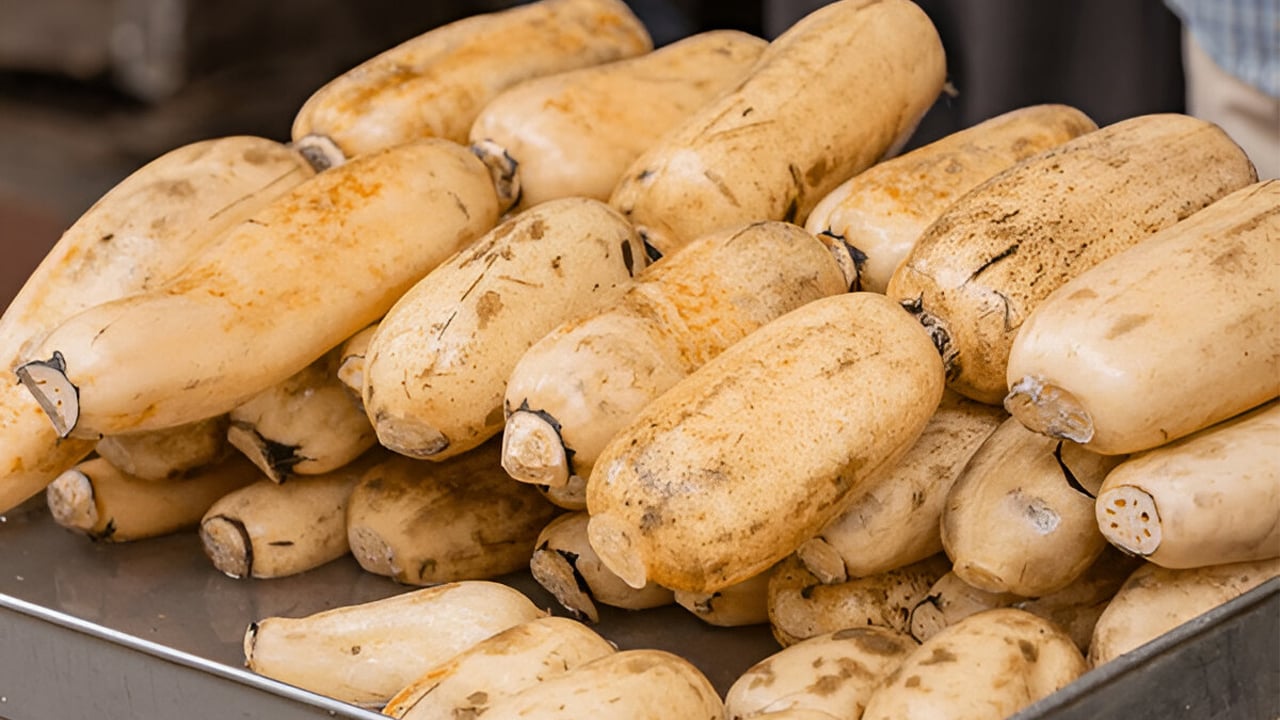
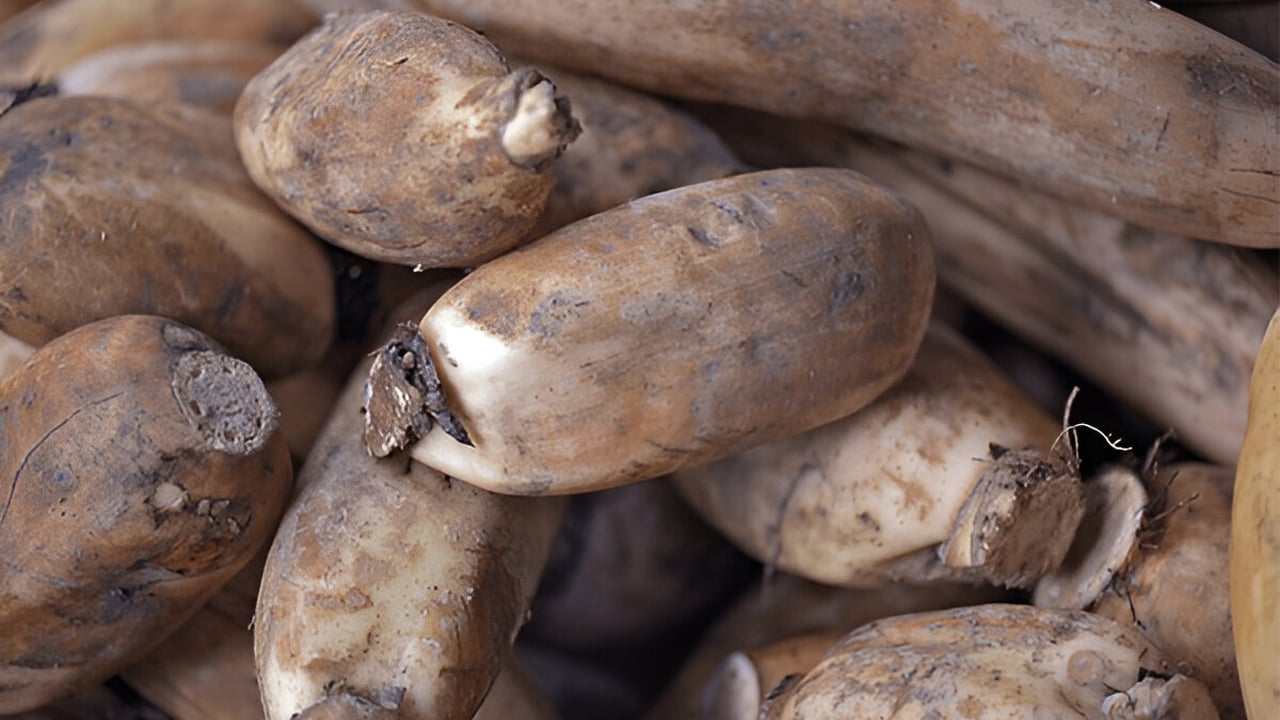
Each rhizome segment is oblong and cylindrical, typically 5–10 cm in diameter and 10–20 cm in length, with a smooth, pale-brown outer skin. When sliced crosswise, the interior reveals an intricate pattern of air channels — hollow tunnels that give the plant its buoyancy and give sliced lotus root its distinctive lace-like appearance on the plate. The texture before cooking is firm and slightly crunchy, comparable to a raw potato, and the flavour is mild with a barely perceptible sweetness.
Above the waterline, the plant sends up broad, water-repelling leaves and elegant flowers that can reach 3–6 feet in height. The rhizomes develop in the mud of freshwater bodies throughout the year, though harvest is easiest during drier months when water levels drop. In Sri Lanka, lotus plants grow naturally in tank systems and ancient irrigation reservoirs — the historic tanks around Polonnaruwa are one of the best-known habitats.
What is the nutritional profile of lotus root?
Lotus root is primarily composed of complex carbohydrates and dietary fibre, making it a slow-releasing energy source. It contains meaningful amounts of vitamin C, B vitamins (particularly B6 and thiamine), and minerals such as potassium, copper, and manganese. The high starch content gives the root its characteristic density, but the fibre moderates how quickly that starch is absorbed.
Traditional Ayurvedic medicine regards Nelumbo nucifera as a cooling, nourishing plant. Various parts of the lotus — root, seeds, leaves, and flower — are used in different formulations, and the rhizome specifically is considered beneficial for the digestive system. Modern nutritional research broadly supports the plant's antioxidant activity, though clinical evidence for specific health claims remains preliminary.
How is lotus root used in Sri Lankan cooking?
In Sri Lanka, lotus root is most commonly prepared as a curry cooked in coconut milk — a dish that pairs the mild starchiness of the rhizome with the richness of fresh coconut and a warming blend of spices including turmeric, mustard seeds, and curry leaves. The resulting gravy is thick and aromatic, served alongside rice as part of a traditional rice-and-curry spread.
Lotus root is also sliced and stir-fried with onion, green chilli, and dried Maldive fish (a distinctively Sri Lankan umami ingredient), or pickled in vinegar as part of a condiment plate. In some households the root is dried and ground into a starchy flour used to thicken soups and porridges. Because the raw rhizome holds its shape well under heat, it works particularly well in dishes where a firm-textured vegetable is needed.
- Coconut milk curry (nelum ala hodhi): the most common preparation — root pieces simmered in spiced coconut milk until tender.
- Stir-fry (thel dala): thinly sliced rounds cooked quickly in oil with mustard seeds, curry leaves, and dried chilli.
- Pickle (achcharu): vinegar-marinated slices served as a sharp counterpoint to richer dishes.
- Porridge (kola kenda variation): grated or powdered root blended into herbal porridges, particularly in Ayurvedic dietary contexts.
How does lotus root compare to its use in other Asian cuisines?
Across South Asia, the rhizome appears as a dry curry or sabzi — cooked in oil with whole spices until the edges brown slightly, producing a drier, more intensely flavoured dish than the Sri Lankan coconut milk version. In East Asian cuisines (Chinese, Japanese, Korean), lotus root is prized for its visual appeal after slicing: the decorative cross-section makes it a popular ingredient in stir-fries, simmered dishes, and even tempura. The flavour profile adapts easily because the root is mild enough to absorb surrounding seasonings.
Where can you find lotus root growing wild in Sri Lanka?
Lotus plants are widespread in Sri Lanka's lowland wet and dry zones wherever there is calm, shallow freshwater. Ancient irrigation tanks, village ponds (known as wewa), and the backwaters of river systems are prime locations. The Madu Ganga wetland in the southwest — accessible by Madu River Safari — supports aquatic vegetation including lotus, and visitors often spot the flowers rising above the surface as their boat passes through the mangrove channels.
Markets in Colombo, Kandy, Galle, and most regional towns stock fresh lotus root year-round, usually imported from local tank-farming operations. Dried and preserved lotus root is also available in health food stores and specialty grocers across the island.
Does lotus root have any cultural or religious significance in Sri Lanka?
The lotus occupies a central place in Buddhist symbolism: the flower rising unstained from muddy water represents purity, spiritual awakening, and the potential for enlightenment. Images of the lotus appear throughout Sri Lankan temple art, architecture, and ritual objects — from the lotus-petal bases of Buddha statues to the lotus motifs carved into ancient stonework. Fresh lotus flowers are among the most common offerings at temple shrines, and the Colombo Lotus Tower, the tallest structure in South Asia, takes its distinctive form from the flower.
The root itself, while more associated with the kitchen than the shrine, carries some of this cultural resonance. Offering lotus flowers and consuming lotus root are both seen, in traditional contexts, as acts that connect daily life to the deeper symbolism of the plant.
How should lotus root be stored and prepared at home?
Fresh lotus root keeps well for up to a week in the refrigerator if left uncut and wrapped loosely. Once cut, the exposed surface oxidises quickly — similar to an apple or potato — so it should be submerged in cold water with a small amount of vinegar or lemon juice until ready to cook. Scrub the outer skin under running water and peel with a vegetable peeler before slicing. For most Sri Lankan preparations, rounds about 5 mm thick work well; thinner for stir-fries, slightly thicker for slow-cooked curries.
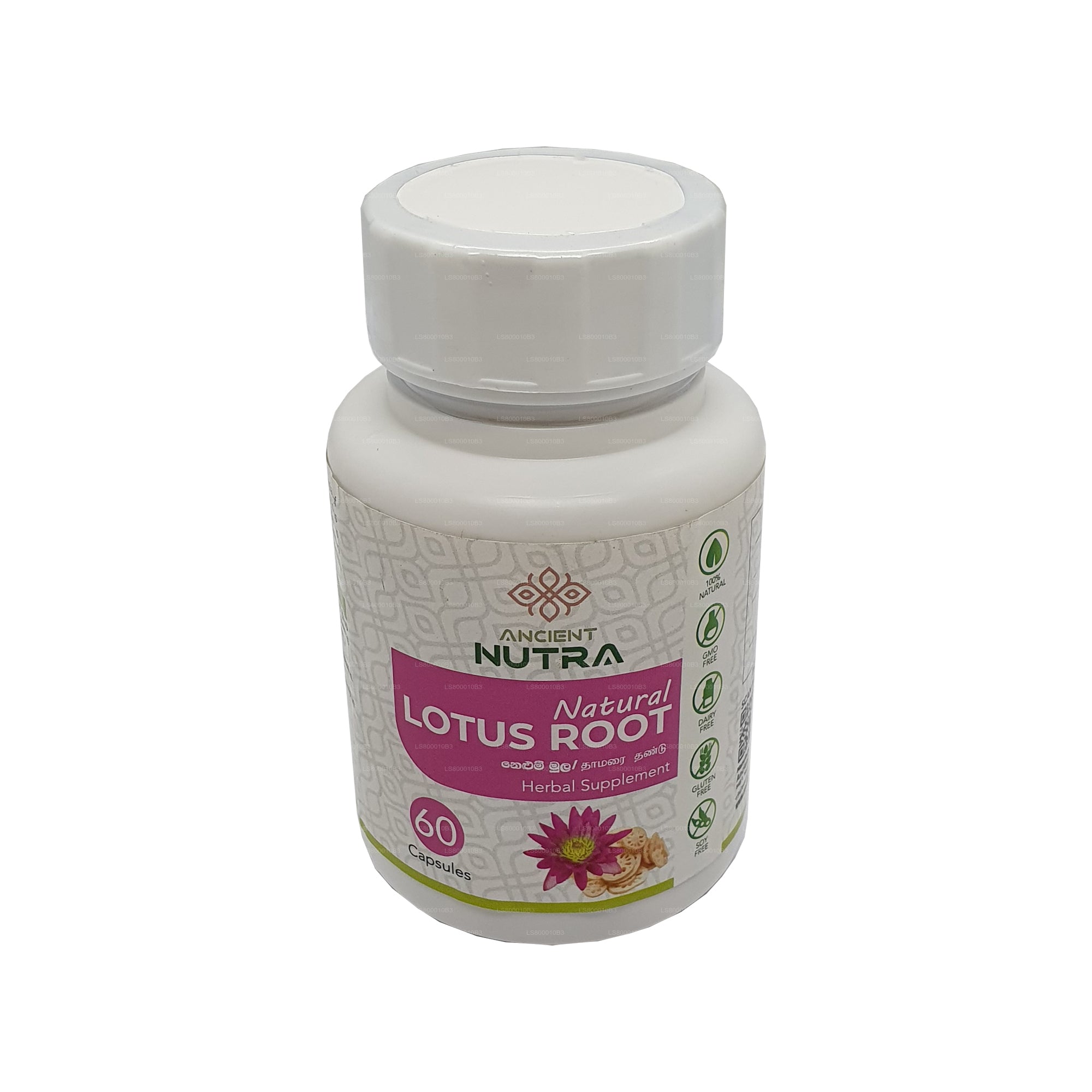
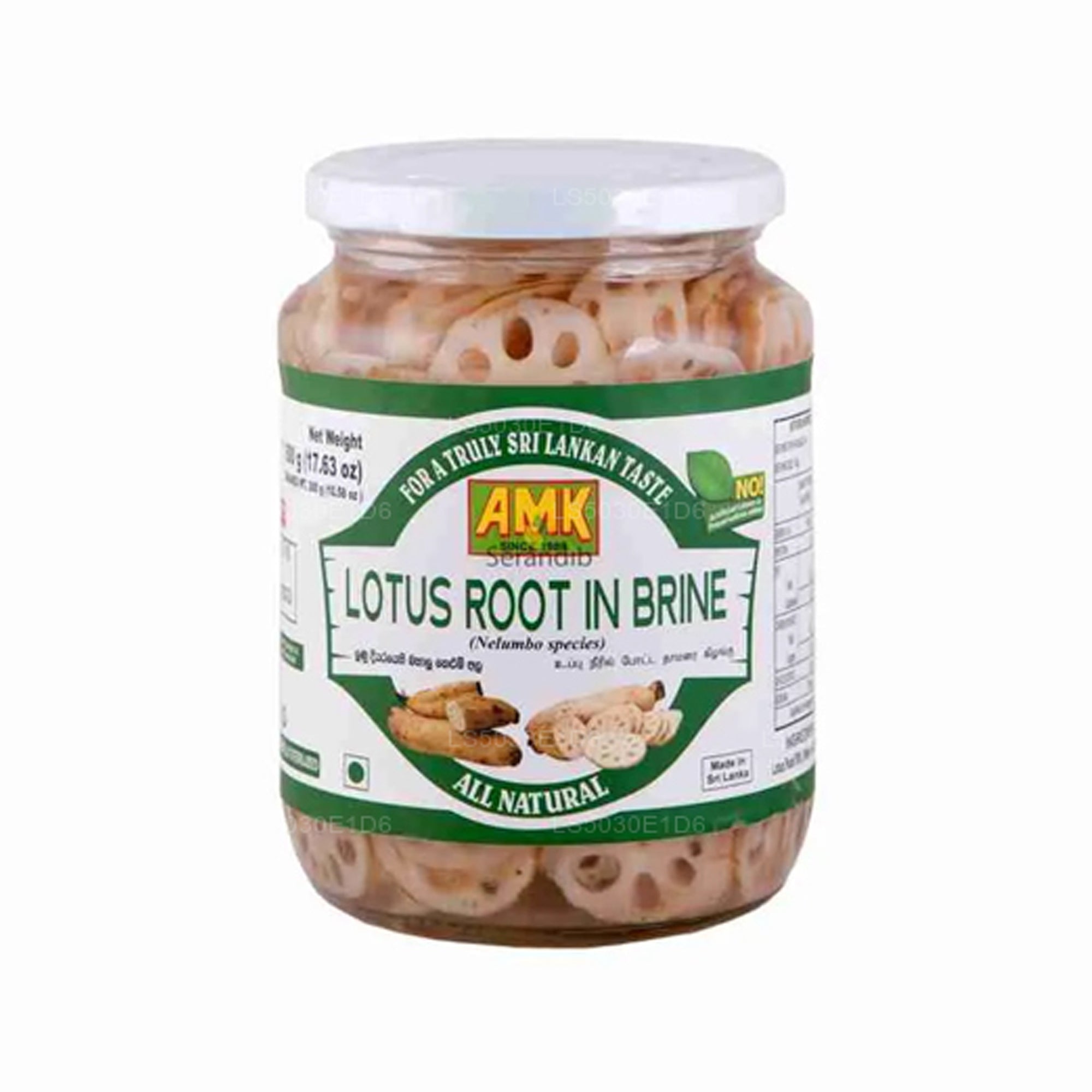
Preserved lotus root — available in brine or dried form — is a practical alternative when fresh rhizomes are unavailable. Rinse brine-packed root thoroughly before use to reduce the salt content, and adjust seasoning accordingly.
Related reading
2 pages on closely related subjects.