Pleiospermium alatum is a small tree native to Sri Lanka, belonging to the citrus family Rutaceae. Known locally as Thunpath kurundu, it is recorded in Sri Lanka's indigenous flora with a distinctive leaf form and small orange-like fruit. None of its parts are listed as edible.
What does Pleiospermium alatum look like?
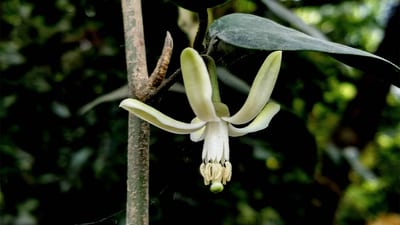
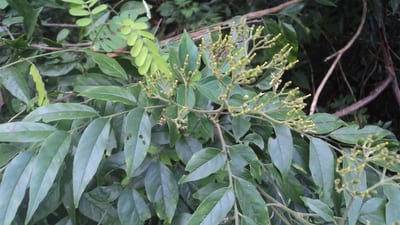
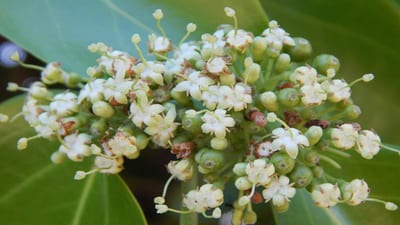
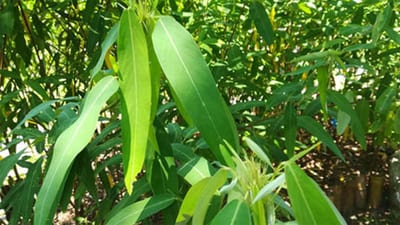
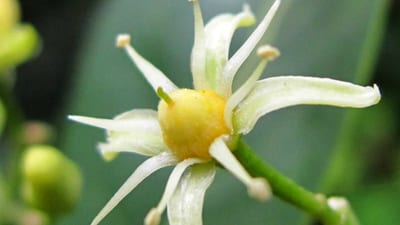
It grows as a small tree. The leaves are trifoliolate, though sometimes reduced to just one or two leaflets, with each leaflet obovate to oblanceolate in shape, broadly rounded at the apex and tapering (cuneate) at the base, with entire margins; the tip is occasionally slightly notched (emarginate). Flowers are rather small and borne on short, finely pubescent pedicels, arranged in axillary clusters or sometimes appearing pseudoterminal.
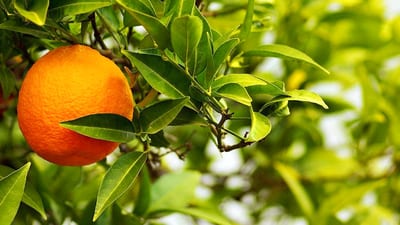
The fruit is globose, resembling a small orange, with a rough, glandular pericarp. Internally the fruit cells each hold one to two seeds, and the seeds themselves are ovoid and somewhat compressed. Rutaceae, the family to which this species belongs, is well known globally for members bearing aromatic, gland-dotted foliage and fruit, a trait reflected here in the glandular fruit surface.
Where does Pleiospermium alatum grow?
The species is native to Sri Lanka. Rutaceae as a family has a broad native distribution across the tropics and subtropics, consistent with a tree of this kind occurring in Sri Lanka's lowland flora.
What is its conservation status?
Pleiospermium alatum is classified as native to Sri Lanka, meaning it occurs naturally in the country, though not necessarily exclusively so (unlike an endemic species, which would be found nowhere else in the world).
What is it called in Sinhala?
In Sinhala, the species is known as Thunpath kurundu. The name sits alongside other native trees documented in Lakpura's nature and flora records, such as Pongamia pinnata and Acacia chundra, both likewise part of Sri Lanka's native tree cover.
Is Pleiospermium alatum edible?
No part of this species is recorded as edible. It should not be consumed, and no food use is associated with it.
| Attribute | Detail |
|---|---|
| Scientific name | Pleiospermium alatum |
| Family | Rutaceae |
| Sinhala / local name | Thunpath kurundu |
| Status in Sri Lanka | Native |
| Edible parts | None |
| Life form | Small tree |
| Leaves | Trifoliolate (sometimes 1-2 leaflets); leaflets obovate-oblanceolate, apex broadly rounded (occasionally slightly emarginate), base cuneate, margins entire |
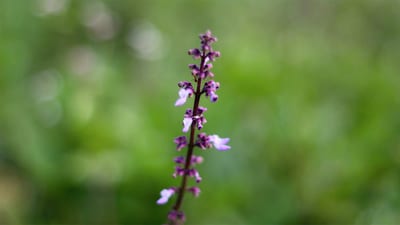
| Inflorescence | Axillary, clustered, sometimes pseudoterminal |
| Flowers | Small, on short finely pubescent pedicels |
| Fruit | Globose, like a small orange; pericarp rough and glandular; cells 1-2 seeded |
| Seeds | Ovoid, somewhat compressed |