Murraya paniculata is a shrub or small tree in the citrus family, Rutaceae, native to Sri Lanka. It is known in English as Lime berry and in Sinhala as Etteriya, and carries the Sanskrit names Ekangi and Kashtaveera. No part of the plant is recorded as edible.
What does Murraya paniculata look like?
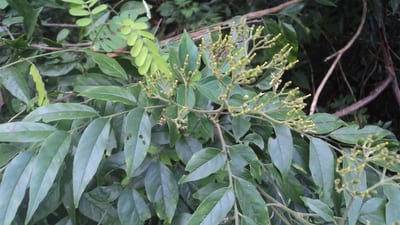
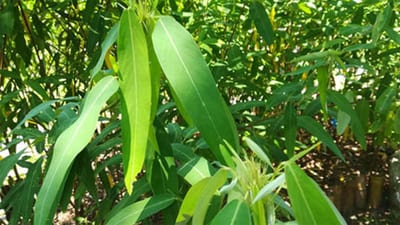
This species grows as a shrub or small tree with pinnate leaves bearing 3 to 5, occasionally 7, leaflets. A full leaf can reach 10 to 17 cm in length, with each leaflet 3 to 7 cm long and densely covered in glands. The petiolules, the small stalks attaching each leaflet to the leaf axis, measure 2 to 6 mm.
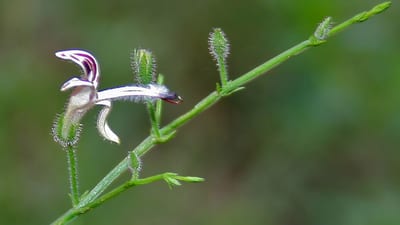
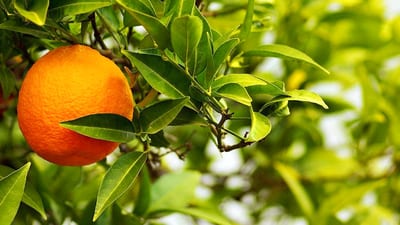
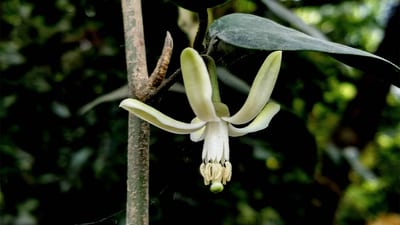
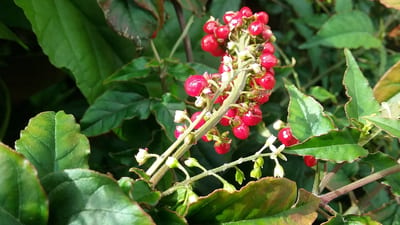
Flowers appear in few-flowered, branching clusters, known botanically as panicles, arising from the leaf axils. The flowers are white, a trait typical of many Rutaceae species. The fruit is ovoid, 8 to 10 mm long and glandular, containing a seed around 8 mm in length.
Where does Murraya paniculata grow?
Murraya paniculata is classed as native to Sri Lanka, meaning it occurs naturally on the island though it is not confined to it alone. As a member of the Rutaceae, a family found widely across tropical and subtropical regions, its broader native range extends beyond Sri Lanka into other parts of tropical Asia.
What is it called in Sinhala and Sanskrit?
The Sinhala name for this species is Etteriya. In Sanskrit it is referred to as Ekangi or Kashtaveera. These names identify the plant within local and classical botanical nomenclature.
Can you eat Murraya paniculata?
No part of this plant is recorded as edible. It should not be consumed.
Recorded facts
| Attribute | Detail |
|---|---|
| Scientific name | Murraya paniculata |
| Family | Rutaceae |
| English name | Lime berry |
| Sinhala name | Etteriya |
| Sanskrit name | Ekangi / Kashtaveera |
| Status in Sri Lanka | Native |
| Edible parts | None |
| Leaves | Pinnate, 3-5 (rarely 7) leaflets, 10-17 cm long overall |
| Petiolules | 2-6 mm long |
| Leaflets | 3-7 cm long, densely glandular |
| Inflorescence | Axillary, paniculate, few-flowered, white |
| Fruit | Ovoid, 8-10 mm long, glandular |
| Seed | About 8 mm long |