

Magul Bera — literally the "Wedding Drum" in Sinhala — is one of the most immediately recognisable sounds of a traditional Sinhalese wedding. Long before guests catch sight of the procession, the deep, resonant beats of the Gata Bera drum announce that a celebration is under way. Far more than a musical backdrop, Magul Bera is a living ritual that connects contemporary Sri Lankan families to centuries of ceremony, community, and shared meaning.
What is Magul Bera and where does it come from?
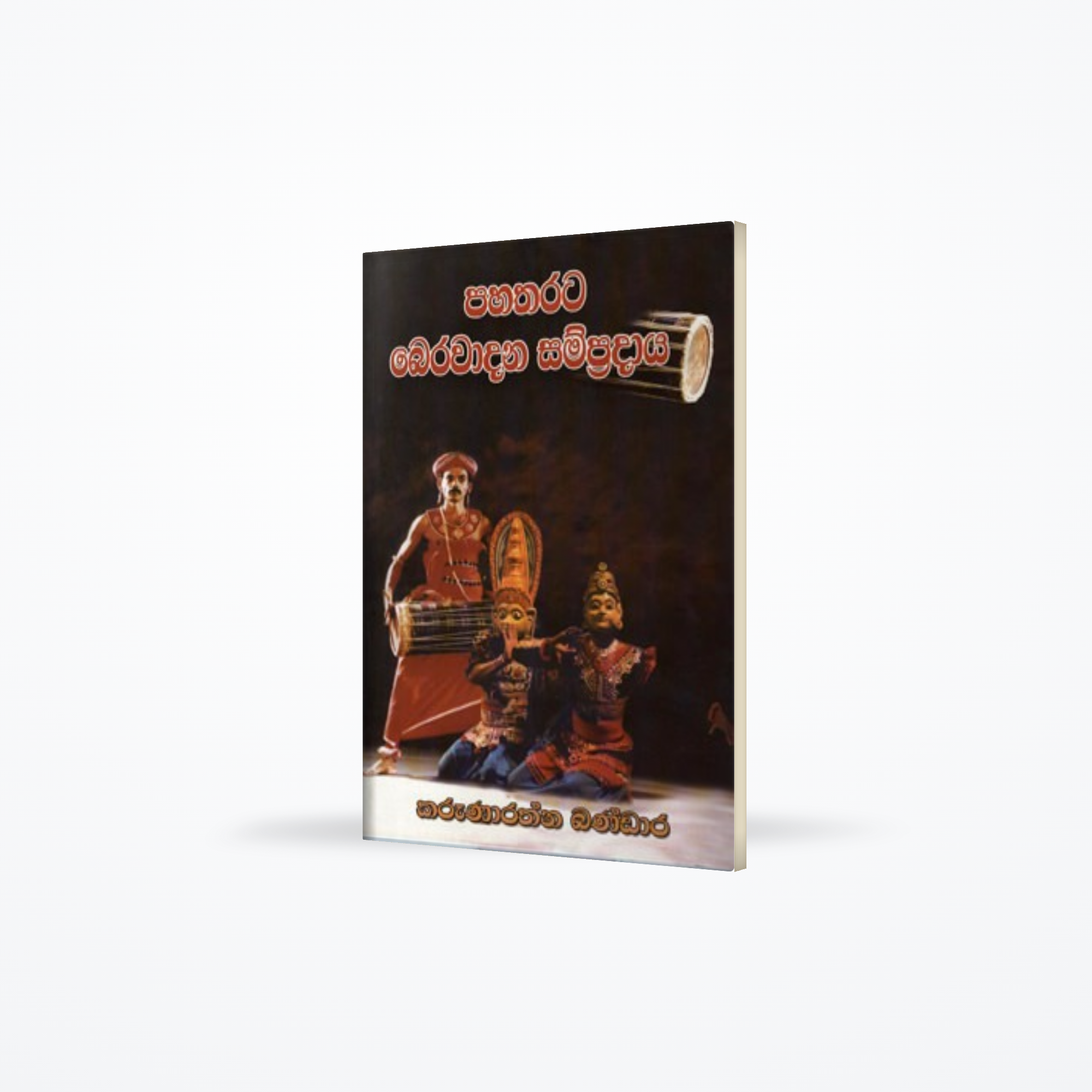
Magul Bera belongs to a broader family of Sri Lankan drum traditions collectively known as Bera Kelanawa (drum playing). Within that family, the Magul Bera style is specifically associated with auspicious occasions — weddings above all others. Its origins are rooted in the folk traditions of the Kandyan lowlands and the village communities of the Sabaragamuwa and Uva regions, where communal music was inseparable from rites of passage.
The tradition is oral and embodied rather than written: masters teach apprentices through direct demonstration, and families guard their own rhythmic lineages. As a result, subtle regional variations in tempo, phrasing, and costume still exist today, giving Magul Bera a living, evolving quality despite its antiquity.
What is the Gata Bera drum and how is it played?
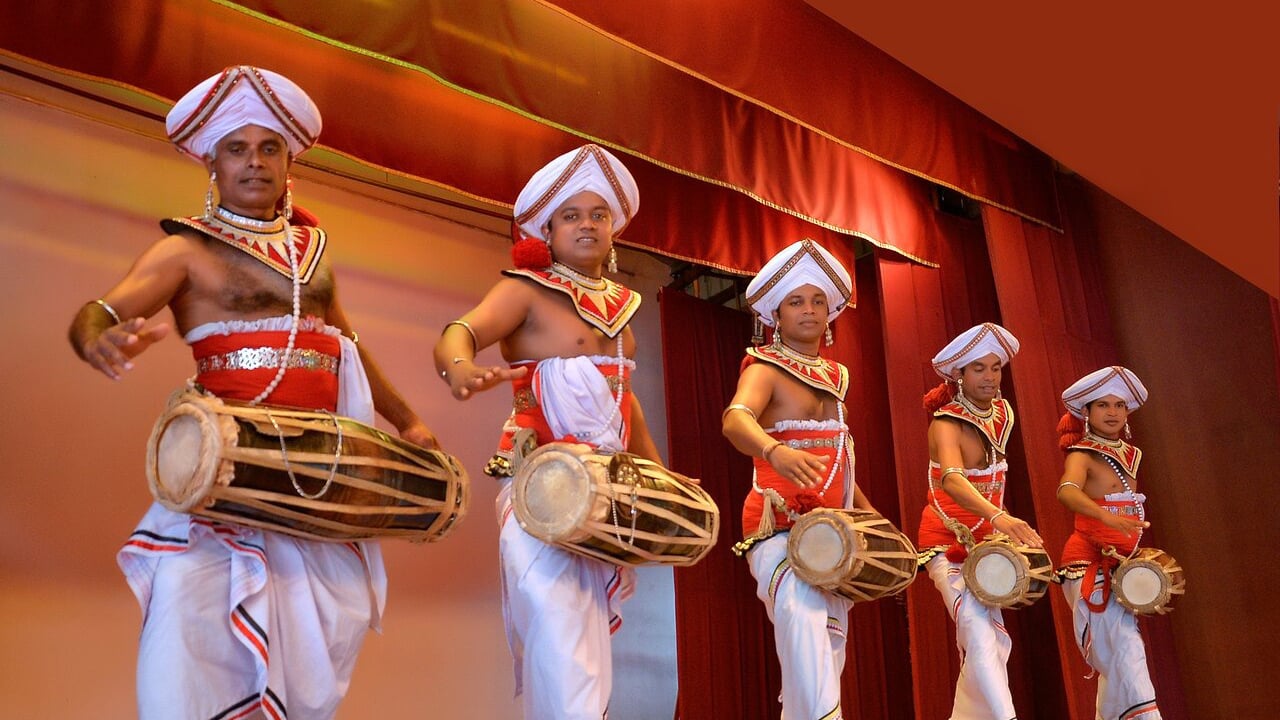
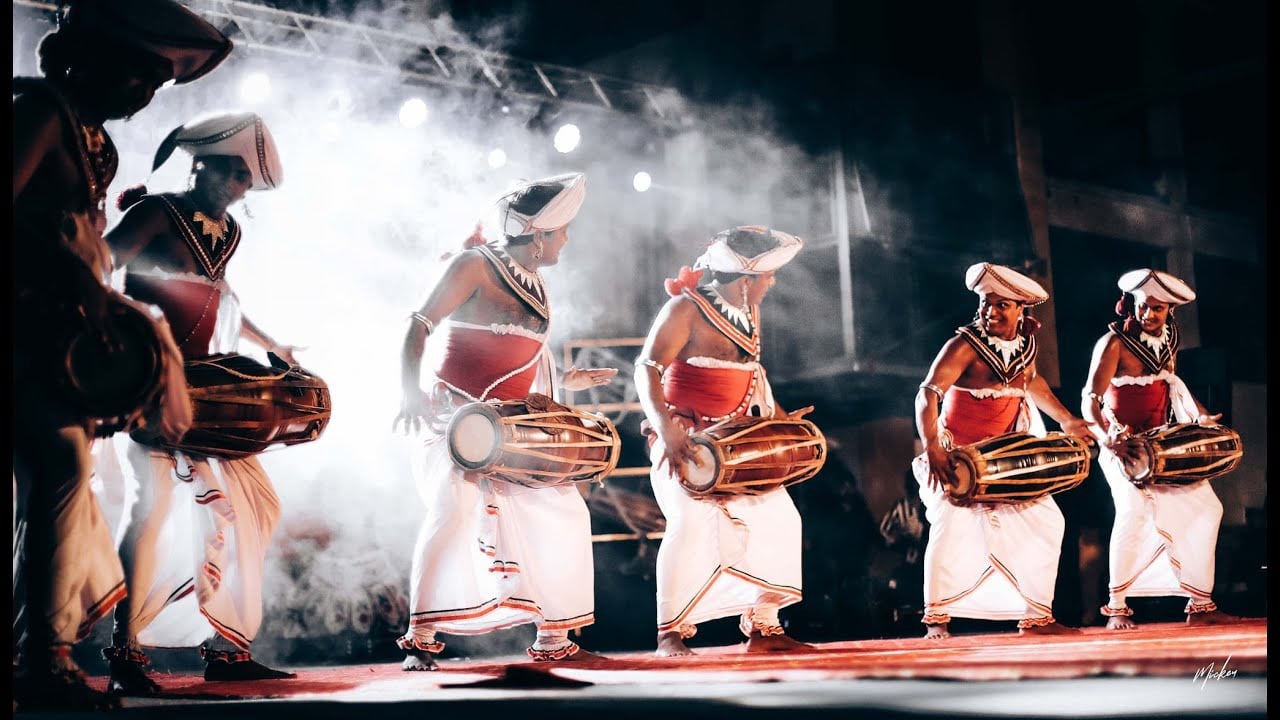
The instrument at the heart of Magul Bera is the Gata Bera, a double-headed barrel drum carved from a single log — typically Jak or Kohomba wood — and covered with animal skin on both faces. The two ends produce subtly different tones: one deeper and resonant, the other sharper and more penetrating. A skilled drummer exploits this tonal duality to create the complex polyrhythmic patterns that define the Magul Bera sound.
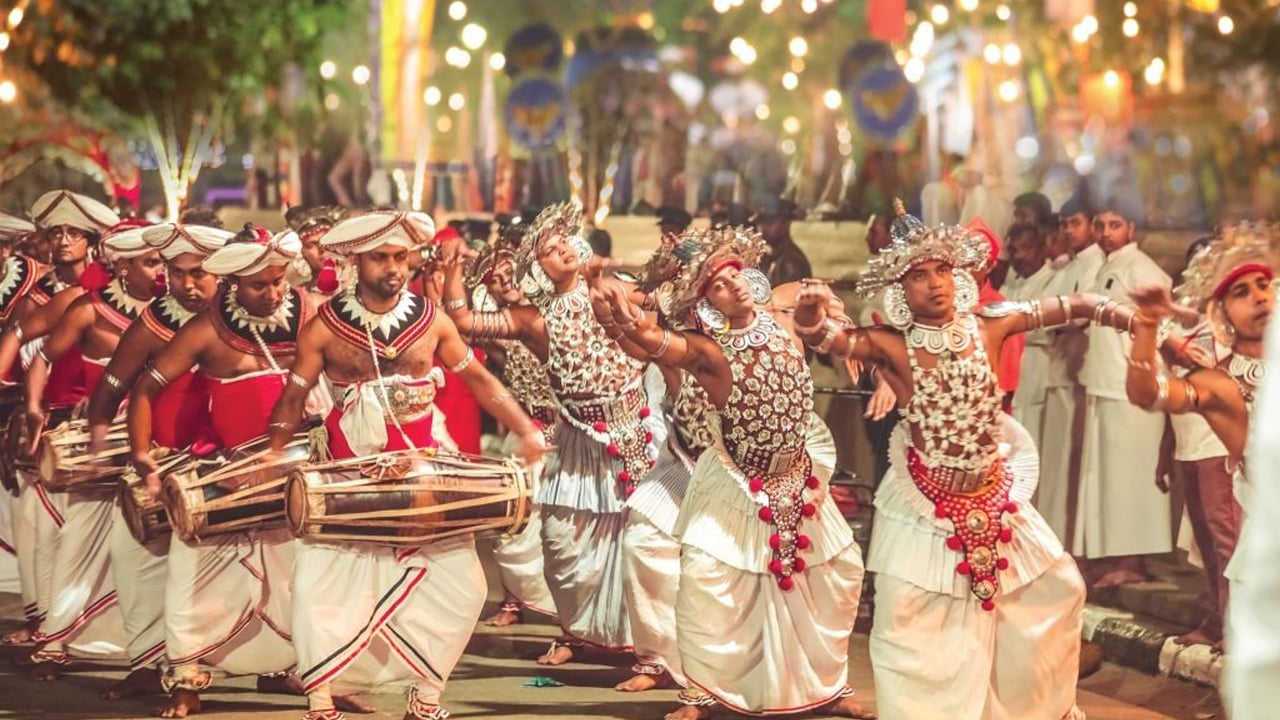
Drums are worn slung at the hip or carried on a shoulder strap, freeing both hands to strike alternately with the palm and fingers. Ensembles typically field several drummers playing in unison or in call-and-response patterns, building intensity as the ceremony progresses. The Esala Perahera Festival in Kandy draws on closely related drumming traditions, offering visitors a concentrated window into the broader world of Sri Lankan ceremonial percussion.
What role does Magul Bera play in a Sinhalese wedding?
Magul Bera punctuates the most significant moments of the wedding rather than running continuously throughout. The key occasions include:
- Arrival of the bride and groom — Drumming heralds each party's approach, signalling to assembled guests and the wider community that the union is about to take place.
- The Poruwa ceremony — The ritual platform on which the couple exchange vows is accompanied by specific rhythmic compositions associated with auspiciousness and fertility.
- Tying of the little fingers — A precise drum roll traditionally marks the moment the officiant binds the couple's hands, transforming individual lives into a shared one.
- Departure of the couple — Drummers often escort the newlyweds from the venue as a final blessing, the receding beat symbolising the beginning of their new life together.
Beyond its ceremonial functions, the performance also carries protective intent. The powerful, insistent beat is traditionally believed to dispel malevolent forces and invite prosperity — a belief that persists even in urban, secular weddings where other folk customs have faded.
What do the dancers wear and how is the dance performed?
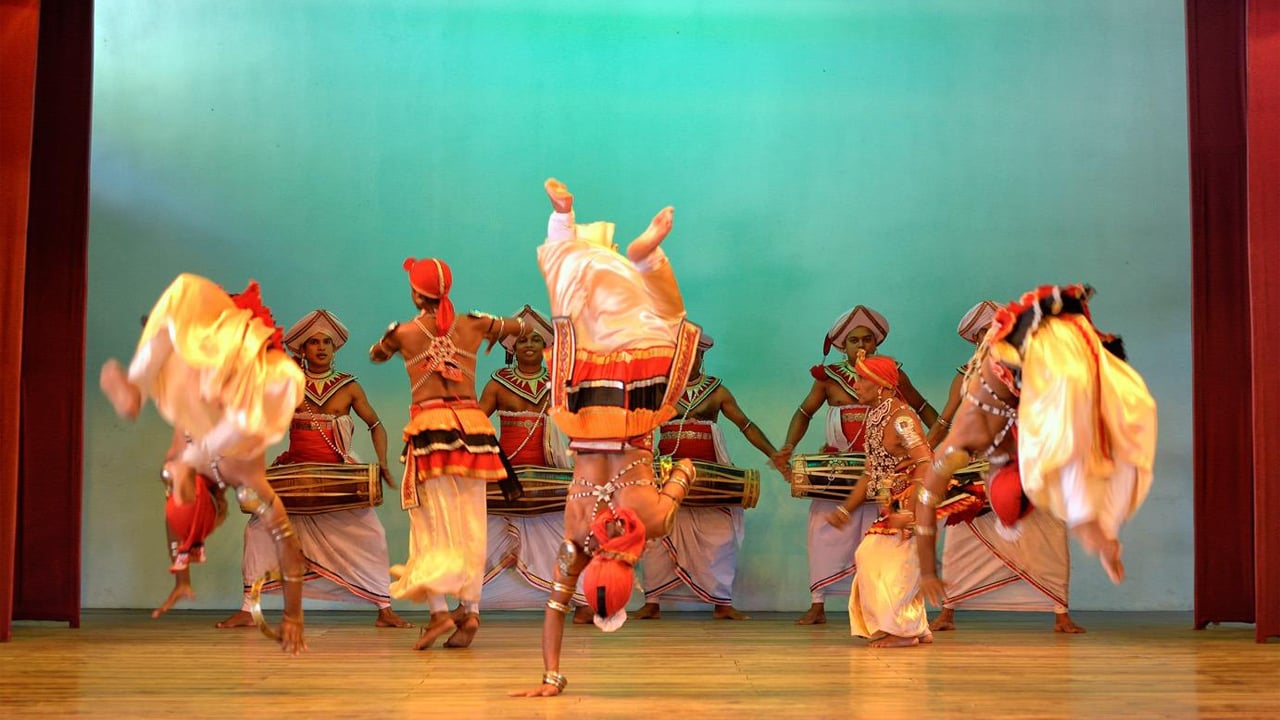
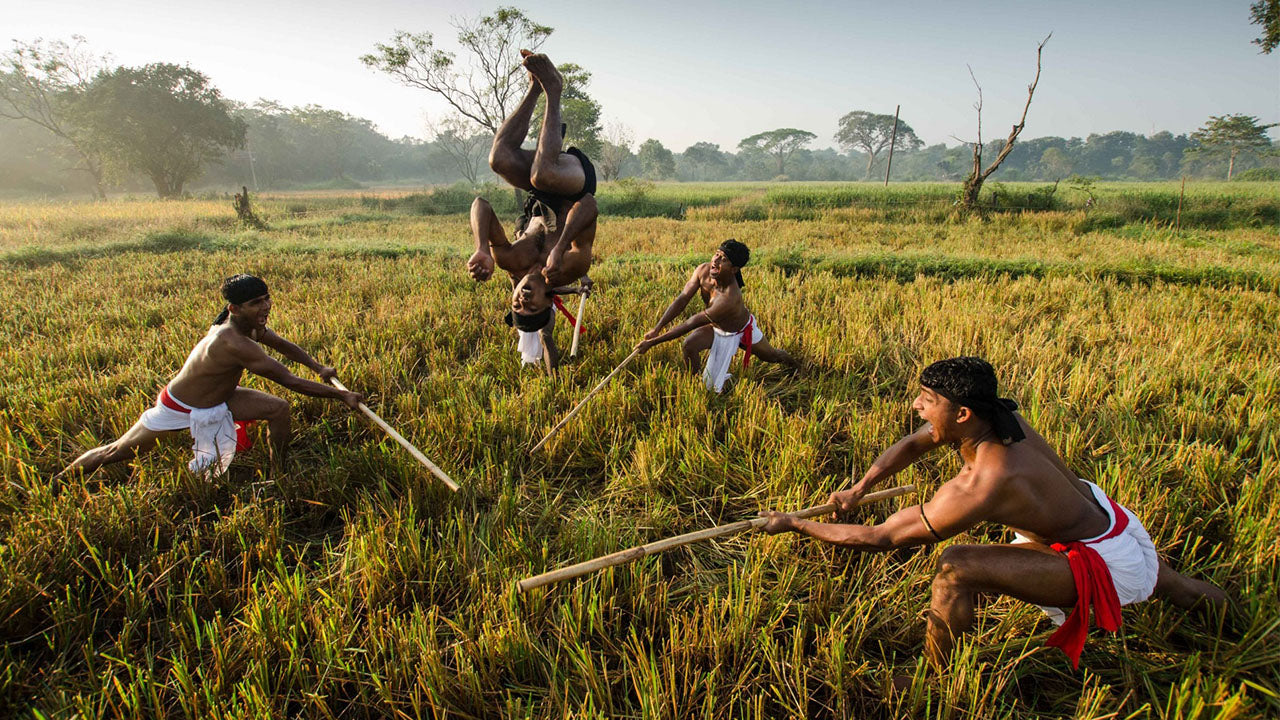
Magul Bera is rarely drumming alone. Performers typically dress in traditional Kandyan costume: a white waistcloth (ves muhudu), an embroidered jacket, and ornate headgear. The choreography is precise. Footwork follows the drum rhythm in a series of stamps, turns, and stylised gestures drawn from the broader vocabulary of Kandyan dance. Knee bends and lateral hops punctuate the movement, demanding both physical stamina and a finely tuned sense of rhythm from the performer.
Groups often include a lead dancer who improvises within set structures, responding to the drummers' cues — a dialogue between body and instrument that keeps each performance fresh even when the underlying compositions are fixed. Performances are typically led by artists who hold a hereditary connection to the craft, passing expertise through family lines over many generations.
How does Magul Bera reflect wider Sri Lankan cultural values?
Marriage in Sri Lankan society is understood as a community event, not solely a private one. Magul Bera makes that communal dimension audible: the drums carry across fields and streets, drawing neighbours into the celebration even if they are not formal guests. This acoustic generosity is deliberate. The sound is an open invitation to collective joy.
The tradition also underscores the importance of specialist artisans — the drummers and dancers who train for years to master their craft — within a society that has long valued hereditary artistic knowledge. In this sense, Magul Bera sits alongside other expressive traditions such as the Kitul tapping craft or the ritual preparations described in Sinhala folk literature: practical knowledge elevated by ceremony into cultural identity.
Is Magul Bera still performed at modern Sri Lankan weddings?
Yes, though the context has changed. Urban weddings in Colombo and other cities increasingly hold Poruwa ceremonies in hotel ballrooms, and Magul Bera ensembles adapt to these indoor settings, sometimes reducing the number of drums to suit the acoustics. The symbolic moments they mark, however, remain unchanged: the arrival of the parties, the exchange of vows, the departure of the couple.
There is also a growing appreciation for Magul Bera as a performance art in its own right. Cultural centres, school festivals, and tourism showcases across Sri Lanka present the tradition to mixed audiences who may have no personal connection to a Sinhalese wedding — widening its reach without diluting its meaning for families for whom it remains a living rite.
Where can visitors experience Magul Bera in Sri Lanka?
The most authentic encounters happen at actual weddings, though these are private occasions. Cultural shows in the Kandy area regularly include Magul Bera alongside other Kandyan performance forms, giving travellers a reliable opportunity to see and hear the tradition. Village cultural programmes in the hill country and the Sabaragamuwa region sometimes offer more intimate demonstrations where visitors can speak directly with performers about the meaning behind the music.
Several Lakpura cultural itineraries incorporate traditional performance evenings — a practical way to encounter Magul Bera in context rather than in isolation.
Related reading
2 pages on closely related subjects.