Derris parviflora is a liana or scandent shrub in the pea family, Fabaceae, recorded as endemic to Sri Lanka. It is assessed as Least Concerned on the National Conservation Status list of Sri Lanka (2012), and no edible parts are recorded for the species.
What does Derris parviflora look like?
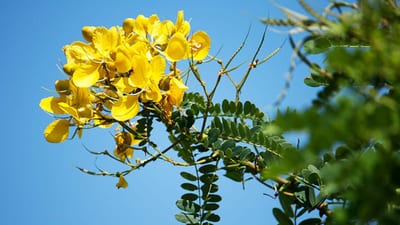
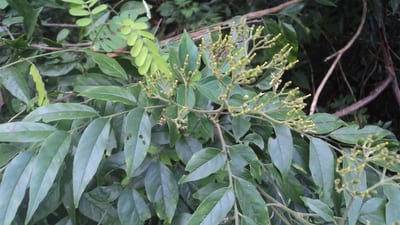
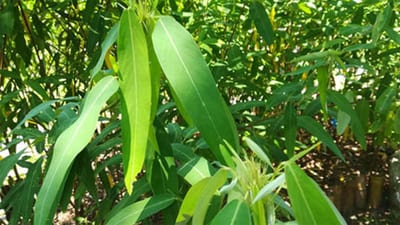
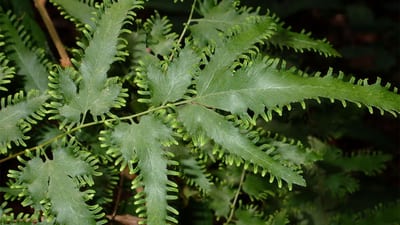
The plant grows as a liana or a scandent (climbing) shrub, with young stems that are glabrous, meaning smooth and hairless. Its leaves are compound, typically bearing seven to nine leaflets, occasionally as few as five, with each leaflet measuring roughly 2.5 to 4 centimetres long and 1.5 to 2.5 centimetres wide, though larger leaflets up to 9 cm long and 4.5 cm wide have been noted.
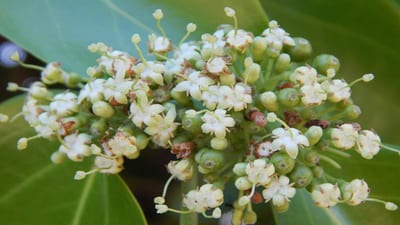
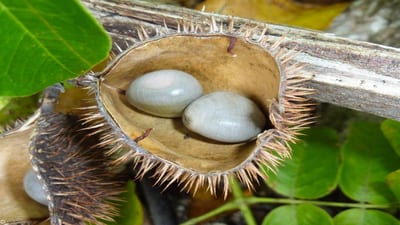
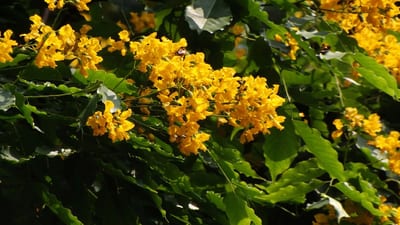
Flowers appear in racemose or paniculate clusters, each bloom around 5 to 7 millimetres long and sweetly scented, with petals that are white or pale purplish. The fruit is a sessile pod, 3 to 6 centimetres long and 1 to 2 centimetres wide, edged with a narrow wing 1 to 2 millimetres across. Seeds are reniform (kidney-shaped), light brown, and about 15 millimetres long.
Which plant family does it belong to?
As a member of Fabaceae, the pea or legume family, Derris parviflora shares traits common to many of its relatives: compound leaves, pod-like fruits, and clustered flowers. The genus Derris itself is widespread across tropical Asia and includes a number of climbing or scrambling woody species.
Is Derris parviflora endemic to Sri Lanka?
Yes. The species is classified as endemic, meaning it occurs naturally only in Sri Lanka and is not native to any other country.
What is its conservation status?
The National Conservation Status list of Sri Lanka (2012) places Derris parviflora in the Least Concerned category, indicating that, based on the assessment available, the species is not currently considered at heightened risk of extinction.
Can Derris parviflora be eaten?
No edible parts are recorded for this species. It should not be treated as a food plant.
| Attribute | Recorded detail |
|---|---|
| Scientific name | Derris parviflora |
| Family | Fabaceae |
| Status in Sri Lanka | Endemic |
| Conservation status | Least Concerned (NCS 2012) |
| Edible parts | None |
| Life form | Liana or scandent shrub |
| Leaves | (5-)7-9-foliate; leaflets (2-)2.5-4(-9) cm long, (1-)1.5-2.5(-4.5) cm wide |
| Inflorescence | Racemose or paniculate |
| Flowers | About 5-7 mm long, sweet scented, petals white or pale purplish |
| Fruit | Sessile, 3-6 cm long, 1-2 cm wide, wing 1-2 mm wide |
| Seeds | Reniform, light brown, about 15 mm long |
Other species in this genus
3 more, sharing the same genus.