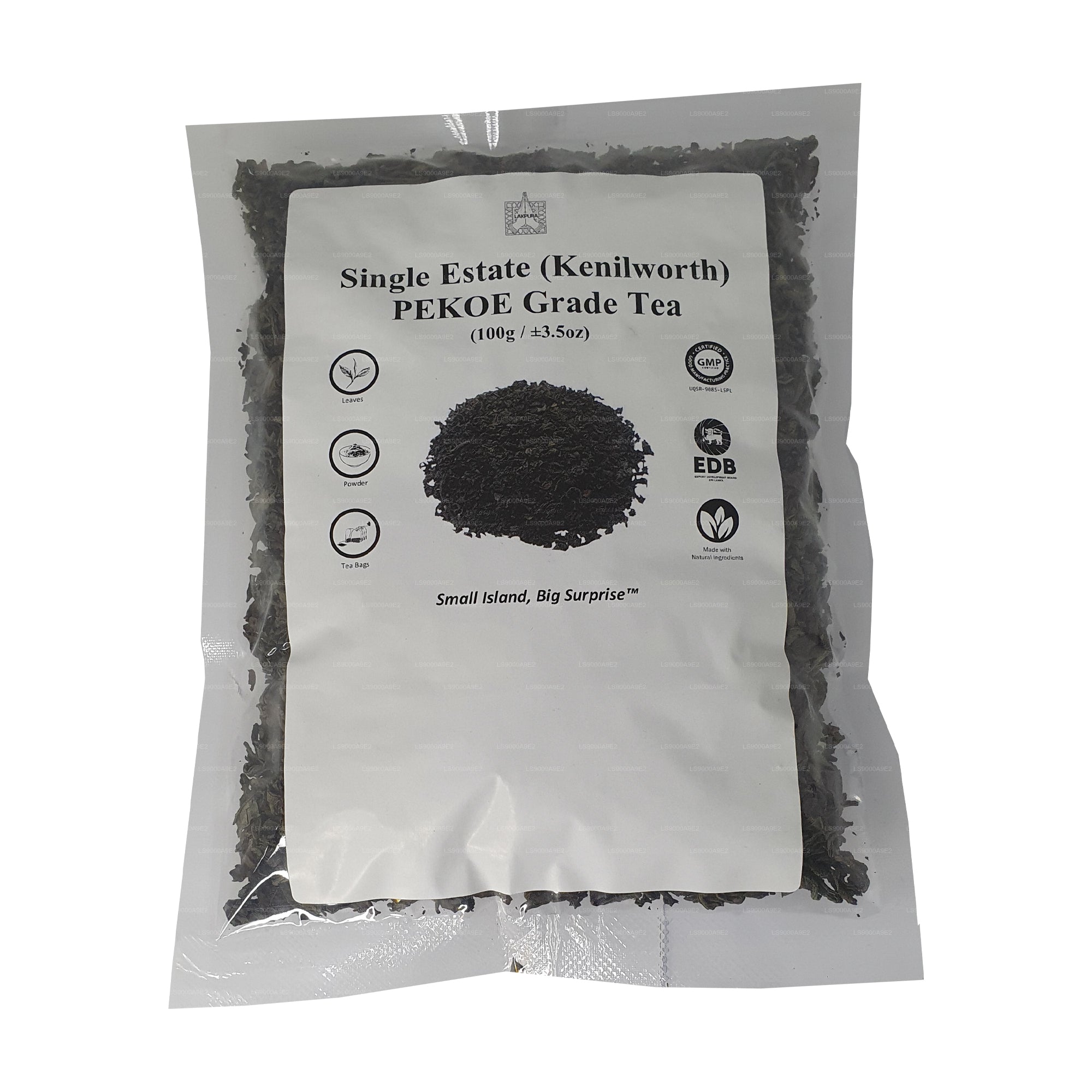
Clarendon Estate sits at 1,555 metres above sea level in Nanu Oya, within the Talawakelle-Lindula agro-climatic district of Sri Lanka's central highlands. Spanning 192 hectares of carefully managed terrain, it produces around 330,000 kilograms of tea annually — all of it from the Dimbula growing region, one of the island's most respected appellations. For anyone interested in the craft behind Ceylon Tea, Clarendon is a compelling destination in its own right.
What makes Dimbula teas different from other Ceylon teas?
The Dimbula region occupies the western slopes of Sri Lanka's central mountain range, where elevations typically exceed 1,200 metres and temperatures stay cool year-round. This combination of altitude, diurnal temperature variation, and the moisture carried in from the southwest produces teas with a bright, brisk liquor and a clean, full-bodied flavour that is distinctly different from lowland or eastern-grown Ceylon teas.
At Clarendon specifically, the elevation of 1,555 metres places it firmly in the high-grown category — a designation that commands premium attention at Colombo's weekly tea auctions. High-grown teas oxidise more slowly in the field, allowing flavour compounds to develop with greater complexity before the leaf is plucked.
How is tea produced at Clarendon Estate?
Like most estates in this district, Clarendon follows orthodox manufacturing methods — the traditional process that involves withering, rolling, oxidation, and firing rather than the CTC (cut-tear-curl) shortcut used for commodity teas. Orthodox production preserves the integrity of the leaf and yields a more nuanced cup, which is why Dimbula estates have long attracted specialty buyers.
Plucking at Clarendon follows a disciplined two-leaf-and-a-bud standard, which directly influences quality. The best periods of the year for this estate, when seasonal dry weather concentrates the leaf, typically fall during the months when the southwest monsoon eases — producing what the industry calls the quality season.
- Withering: freshly plucked leaf is spread in troughs for 12–18 hours to reduce moisture content.
- Rolling: the withered leaf is rolled to break cell walls and release enzymes that drive oxidation.
- Oxidation: the rolled leaf is spread and exposed to warm air until it turns coppery-brown.
- Firing: hot air halts oxidation and reduces moisture to the level required for shelf stability.
- Sorting and grading: dried leaf is sifted into grades — whole leaf, broken, fannings, and dust — each destined for different markets.
Where exactly is Clarendon Estate, and how do I get there?
Clarendon is located near Nanu Oya, a small railway station town in the Nuwara Eliya district. Nanu Oya is the nearest railhead to Nuwara Eliya town, and trains from Colombo Fort or Kandy stop here regularly — the scenic rail journey through the hill country is an experience in itself. From Nanu Oya, the estate is accessible by road, typically a short drive into the surrounding hills.
By road from Colombo, the most common route runs through Kandy and Gampola before climbing the Ramboda or Nuwara Eliya passes — a journey of roughly four to five hours depending on traffic. Private transfers arranged through a destination management company offer the most comfortable option, particularly given the winding mountain roads.
| Origin | Approximate distance | Typical travel time |
|---|---|---|
| Colombo | ~160 km | 4–5 hours by road |
| Kandy | ~75 km | 2–3 hours by road |
| Ella | ~55 km | 1.5–2 hours by road |
| Nanu Oya station | ~5 km | 15–20 minutes by road |
What can visitors experience at Clarendon Estate?
Tea estate visits in this district generally combine a factory tour — watching the withering, rolling, and firing stages at close range — with a walk through the plucking fields. Guided walks allow visitors to observe the working conditions of estate communities, understand the agronomy of the tea plant, and often participate in a guided tasting session where different grades are brewed side by side.
The landscape itself is part of the draw. At over 1,500 metres, the views across the surrounding ridges and valleys shift throughout the day as mist moves through the estate. Early mornings tend to be clear before cloud builds; late afternoons can be cool enough to make a fresh cup of Dimbula tea feel like an obvious necessity.
The surrounding Nanu Oya area also puts visitors within easy reach of Horton Plains National Park, a montane grassland plateau about 15 kilometres away that is home to endemic wildlife and the famous World's End escarpment.
What is the history of Clarendon Estate?
The central highlands of Sri Lanka were planted with tea from the 1870s onwards, largely by British planters who had initially grown coffee until a devastating fungal blight — Hemileia vastatrix — wiped out nearly the entire coffee industry within a decade. Tea proved far more resilient, and by the early twentieth century estates like Clarendon were well-established operations with their own factory infrastructure and worker villages.
The Talawakelle-Lindula district where Clarendon sits became particularly associated with quality production, benefiting from reliable rainfall patterns and the altitude that distinguishes Dimbula teas. Ownership of Sri Lankan estates passed progressively to local companies and cooperatives following nationalisation policies in the 1970s, and today most are managed by regional plantation companies operating under long-term government leases.
What grades of tea does Clarendon produce?
Orthodox tea manufacturing at a high-grown estate like Clarendon yields a range of grades. Whole-leaf grades — such as OP (Orange Pekoe) and Pekoe — tend to attract specialty buyers and are used in single-estate products marketed directly to consumers. Broken grades like BOP (Broken Orange Pekoe) and FBOP find their way into premium blends, while fannings and dust supply the tea bag market.
Single-estate teas from Dimbula estates carry a flavour profile that connoisseurs describe as bright, full-bodied, and moderately astringent with a clean finish — characteristics that make them well-suited to drinking without milk, or with a small amount to soften the briskness.
When is the best time to visit Clarendon Estate?
The central highlands experience two main weather patterns. The southwest monsoon, active roughly from May to August, brings heavy rain to the western slopes including the Dimbula district. This reduces visibility and can make field walks muddy. The drier months from January to April, and again from September to December, offer the clearest skies and the most comfortable walking conditions.
From a tea quality standpoint, the post-monsoon dry spell — roughly February to April — is when Dimbula produces some of its finest teas of the year. Visiting during this period allows travellers to see the estate at peak activity and taste teas from a prime seasonal harvest.
Nearby places
9 places within about 25 km, nearest first.
- GONAPITIYA GROUPunder 1 km
- Radella Cityunder 1 km
- Nanu Oya2 km
- Nanu Oya Railway Station2 km
- Waltrim Tea Estate3 km
- Caves4 km
- Tea Estates4 km
- Elgin Falls5 km
- Beach Holidays6 km
Related reading
8 pages on closely related subjects.