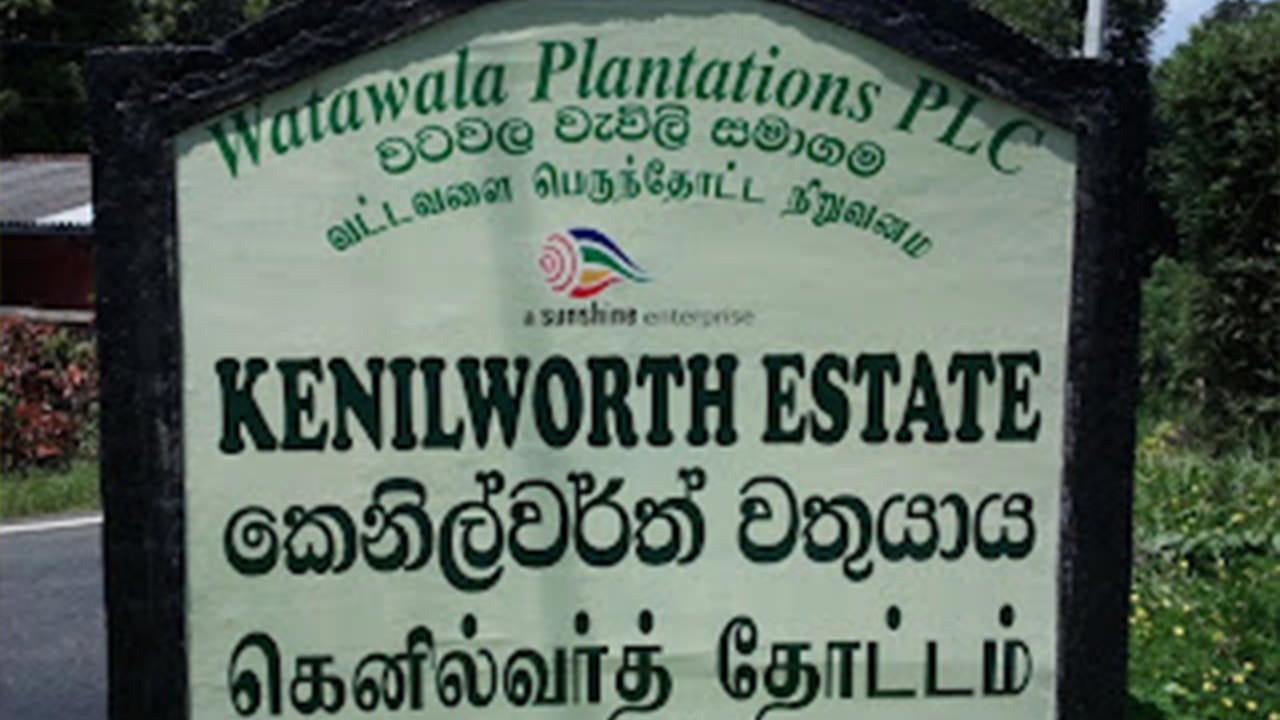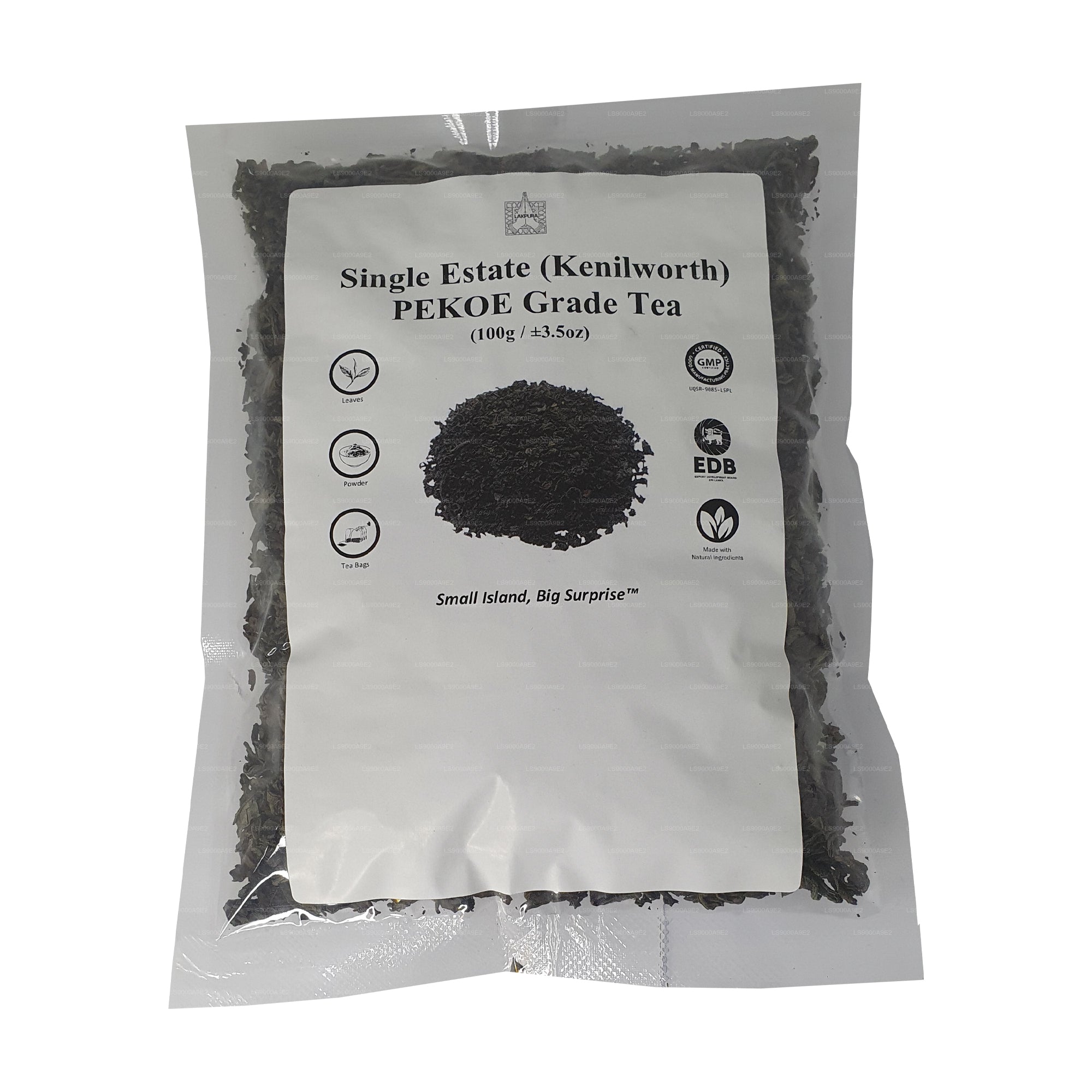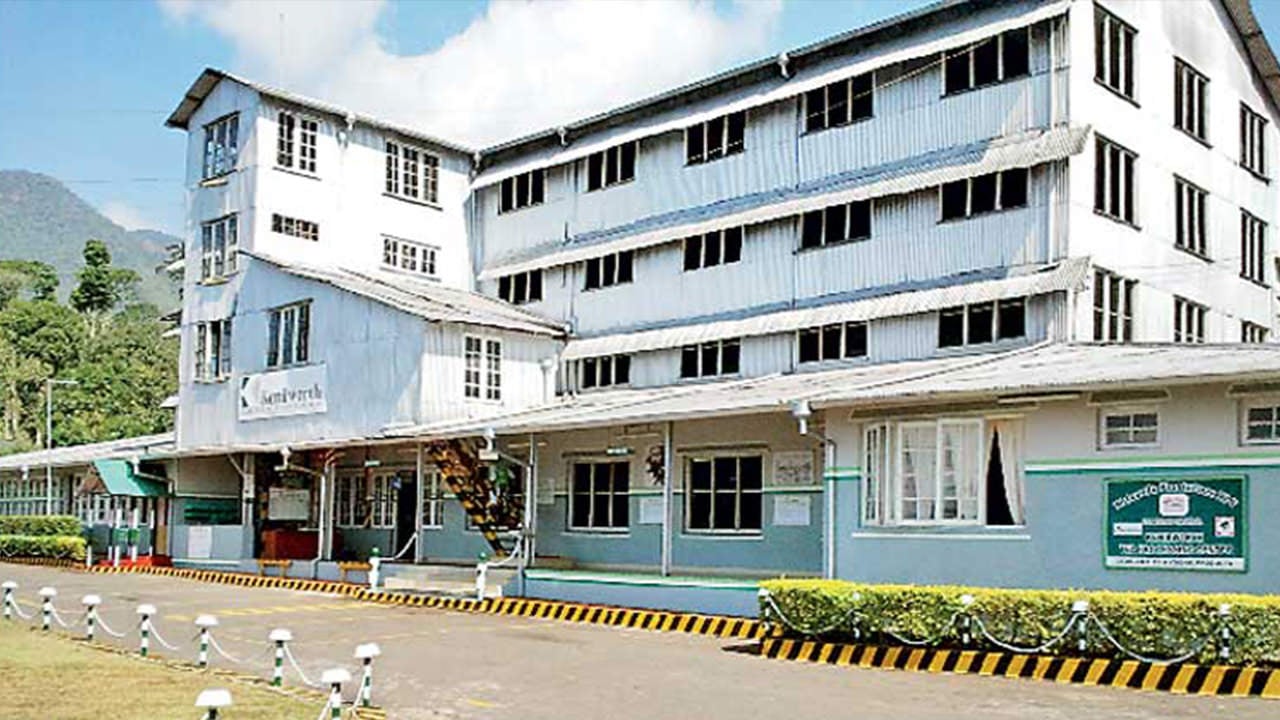

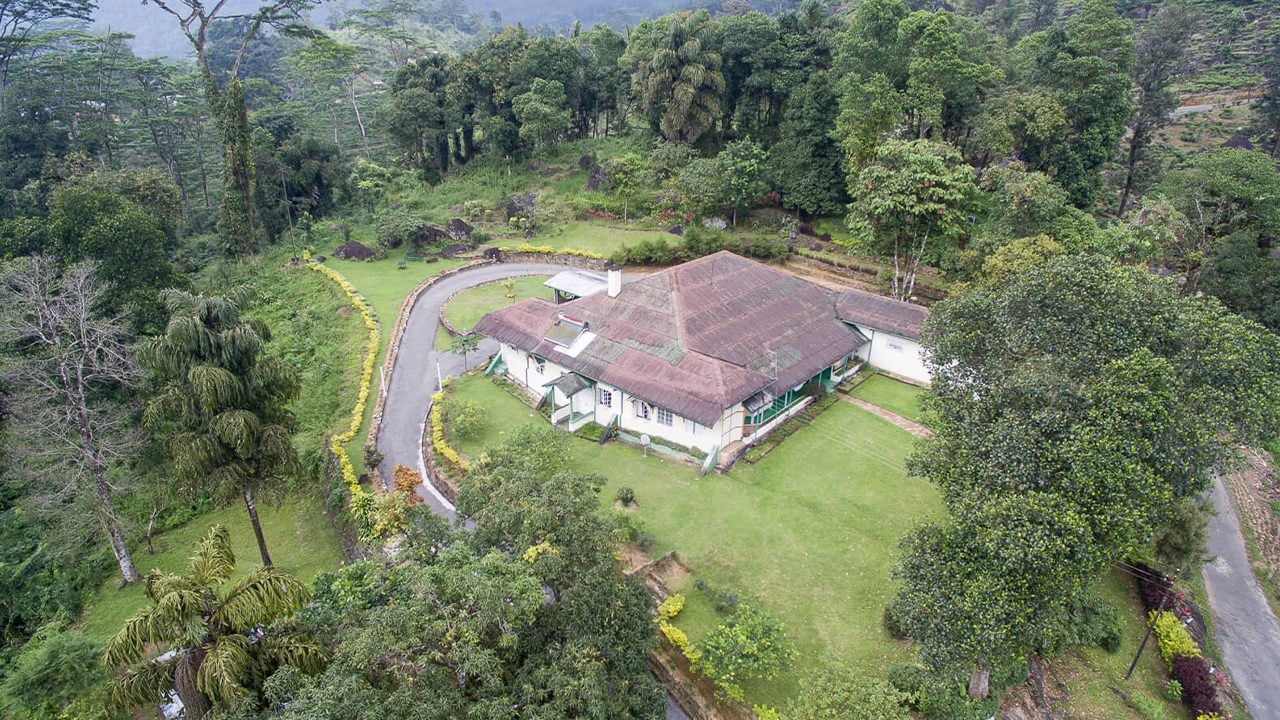

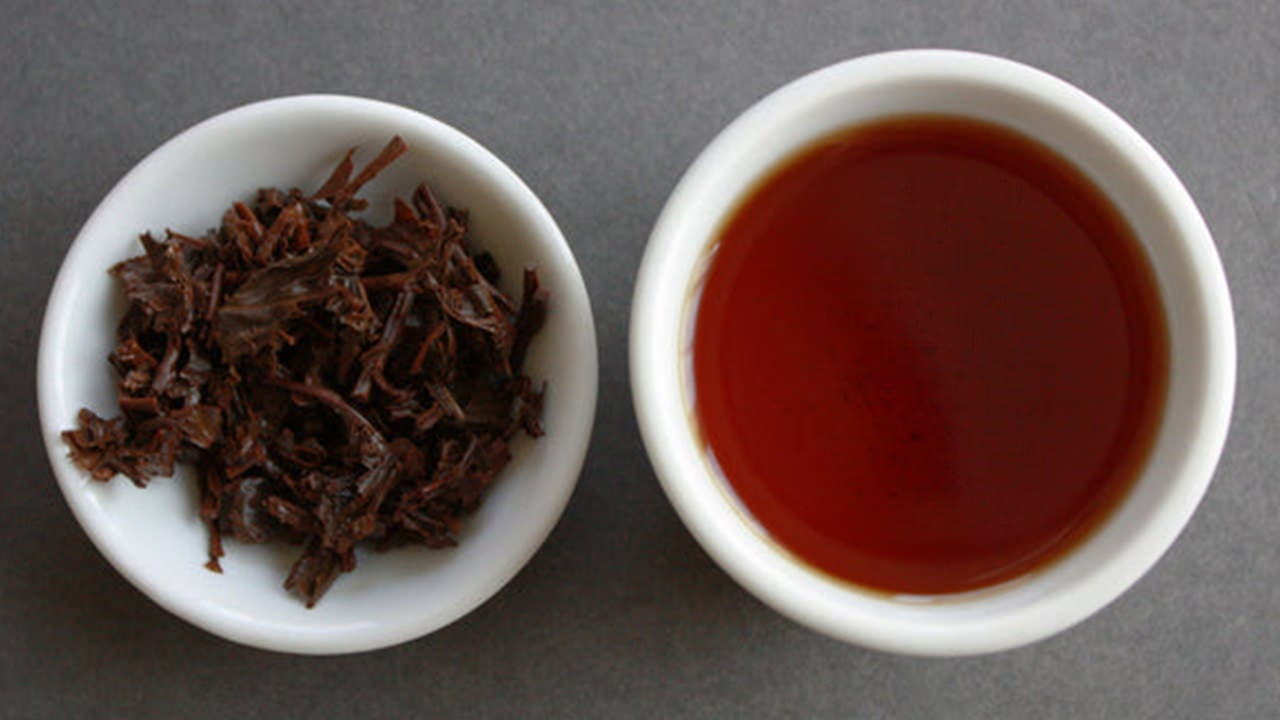
Perched at 3,000 to 4,000 feet in the western hill country near Ginigathena, Kenilworth Estate is one of Sri Lanka's most respected single-origin tea properties. Spanning around 700 acres on the boundary between the Dimbulla and Kandy districts, it occupies a climatic sweet spot that tea buyers have prized for well over a century.
Where exactly is Kenilworth Estate?
Kenilworth sits in the Ginigathena area of the Central Province, positioned at the meeting point of the Dimbulla and Kandy tea-growing districts. The elevation — consistently between 3,000 and 4,000 feet above sea level — places it firmly in the mid-grown category, a range associated with teas that balance body and brightness in the cup. The estate borders land influenced by both the south-west and north-east monsoons, which together shape its growing calendar throughout the year.
What makes Kenilworth tea distinctive?
The character of Kenilworth Ceylon tea comes from the interplay of elevation, seasonal rainfall, and the careful timing of the pluck. The most prized harvest follows the first monsoon flush, when select tender leaves are picked and processed during the cooler, drier weather that follows. This combination produces a cup with a notably creamy top note — a quality that sets Kenilworth apart from other mid-grown estates.
The flagship grade is Orange Pekoe (OP), defined by its long, intact, wiry leaves. These whole leaves brew slowly and evenly, releasing a smooth, full-bodied liquor without the astringency that can appear in broken grades. Tasters frequently note a subtle creaminess that makes Kenilworth OP an excellent choice for an afternoon cup taken without milk, though it holds its character well with a splash of milk too.
What tea grades does Kenilworth produce?
Like most Sri Lankan estates, Kenilworth produces more than one grade depending on the leaf size and processing method used in a given batch. The principal grades available from the estate include:
- Orange Pekoe (OP): Long, full leaves; smooth, creamy liquor; the estate's signature grade.
- PEKOE: Slightly shorter leaf than OP; brisk and full-bodied, suited to everyday drinking.
- Broken grades (BOP, FBOP): Smaller leaf particles that brew quickly and deliver a stronger, more robust cup, often used in blended teas.
Each grade reflects a distinct moment in the processing cycle and appeals to a different brewing preference. Specialty tea retailers and auction buyers at the Colombo Tea Auction regularly seek out single-estate Kenilworth lots for their consistency and recognisable flavour profile.
How do the monsoons influence Kenilworth's tea quality?
Sri Lanka's two monsoon seasons create alternating periods of growth and quality across its tea regions. The south-west monsoon, arriving between May and August, brings heavy rain to the western slopes where Kenilworth stands, encouraging vigorous flush growth. The north-east monsoon, which follows later in the year, brings a drier interlude to this side of the hills — precisely the conditions under which the estate's finest teas are processed.
During these drier, cooler windows, the slow processing of freshly picked leaf concentrates the volatile compounds responsible for Kenilworth's creamy character. Estates in the neighbouring Dimbulla, Uva, and Kandy districts each experience the monsoons differently, which is why single-estate teas from this part of the hill country can taste markedly different even when grown within a few miles of each other.
What is the history behind Kenilworth Estate?
Like most of Sri Lanka's hill-country estates, Kenilworth was established during the British colonial period, after the coffee blight of the 1870s prompted planters to switch from coffee to tea. The estate takes its name from the English market town of Kenilworth in Warwickshire — a naming convention common among British planters who often gave their Sri Lankan properties familiar English or Scottish place names. Over the following decades, Kenilworth developed its reputation through consistent quality at the Colombo Tea Auction, where buyers came to recognise the estate's distinct flavour notes as a reliable benchmark.
How can visitors experience Kenilworth and the surrounding hill country?
The Ginigathena area lies along the A7 road between Colombo and Kandy, making it accessible as part of a broader hill-country itinerary. Travellers heading up from Colombo typically pass through this region on the way to Kandy, and a stop in the tea country allows guests to see working plantation landscapes at close range.
For those exploring the wider Central Province, the Kandy city tour offers a strong complement to a plantation visit, pairing the cultural heritage of the hill capital with the agricultural traditions that surround it. The scenic train journey between Kandy and Ella passes through comparable hill-country terrain and is a popular way to appreciate the scale of Sri Lanka's tea landscapes without a road transfer.
The nearby Bluefield Tea Gardens also welcome visitors and offer guided walkthroughs of the plucking, withering, rolling, and drying stages of orthodox tea production — useful context for anyone wanting to understand what goes into a cup of Kenilworth OP.
How is Kenilworth tea best brewed?
For the OP and PEKOE grades, a water temperature just off the boil — around 90–95°C — is ideal. Steep for three to four minutes, then remove the leaves promptly to avoid bitterness. The creaminess that defines Kenilworth OP comes through most clearly when the tea is brewed in plain water without milk, though the estate's character is robust enough to hold up in a traditional milk tea as well. Avoid adding sugar initially; taste the tea plain first to appreciate the natural sweetness and top notes that distinguish this estate.
| Detail | Information |
|---|---|
| Location | Ginigathena, Central Province, Sri Lanka |
| Elevation | 3,000 – 4,000 feet (approx. 910 – 1,220 m) |
| Estate size | Around 700 acres |
| Tea classification | Mid-grown Ceylon tea |
| Principal grade | Orange Pekoe (OP) |
| Flavour character | Smooth body, creamy top notes, long-leaf appearance |
| Districts bordered | Dimbulla and Kandy |
Nearby places
8 places within about 25 km, nearest first.
- Radellaunder 1 km
- Shannon Tea Estate3 km
- Dunkeld Estate3 km
- Hatton Railway Station3 km
- Hatton City4 km
- Watawala Ella4 km
- Dick oya5 km
- Watawala City5 km
Related reading
5 pages on closely related subjects.