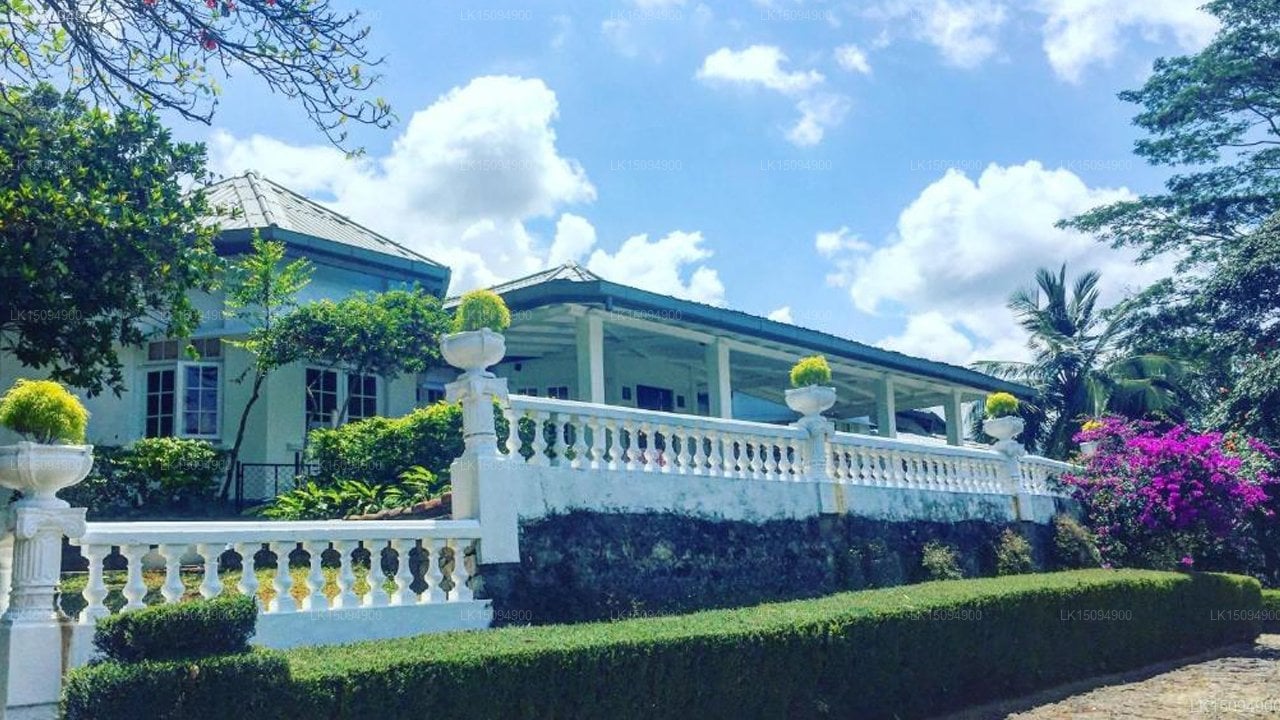
Dunkeld Estate sits in the hill country above Hatton, at an elevation that produces some of Sri Lanka's finest high-grown tea. The estate is part of a landscape that has been shaped by Ceylon tea cultivation since the late 19th century, when British planters replanted devastated coffee holdings with Camellia sinensis and gradually built one of the world's most celebrated tea industries. Visiting Dunkeld today means stepping into that living history — not as a museum piece, but as a fully operational estate where tea is still plucked, withered, rolled, and fired by experienced workers.
What makes Dunkeld Estate worth visiting?
The estate combines three things that are rarely found in one location: a working factory with original early-20th-century architecture, a private bungalow with commanding reservoir views, and a stretch of rolling tea gardens that illustrate every stage of cultivation. Unlike heavily commercialised heritage properties, Dunkeld retains an unhurried quality — visits are generally small-scale, allowing genuine engagement with the estate's workers and processes rather than a conveyor-belt tour.
The factory itself has been updated over the decades to meet modern production standards, but the bones of the original structure remain. Inside, you can see the long withering troughs where freshly plucked leaf loses moisture overnight, the rolling machines that break the cells to initiate oxidation, and the firing dryers that lock in flavour and reduce the leaf to its familiar dry form. The factory staff are accustomed to curious visitors and can explain each stage clearly.
What is high-grown Ceylon tea, and why does altitude matter?
Ceylon tea is broadly classified by elevation. High-grown teas, produced above roughly 1,200 metres, develop slowly in cooler temperatures, which encourages a more complex flavour profile — typically brisk, bright, and with a characteristic golden liquor when brewed. Dunkeld's position in the Hatton district places it firmly in this high-grown category, and the misty conditions that roll in from the surrounding hills contribute the moisture that keeps the tea bush productive.
The Hatton and Dickoya areas have long been associated with quality orthodox leaf, and estates in this corridor supply leaf to some of the premium single-estate blenders who trade at the Colombo tea auctions. A cup brewed from Dunkeld tea offers a direct sensory connection to the specific microclimate of this hillside.
How do I get to Dunkeld Estate from Colombo or Kandy?
Hatton is approximately 160 km from Colombo and around 65 km from Kandy by road. The most evocative approach is by train: the upcountry rail line from Colombo Fort to Hatton passes through Kandy and follows a route of considerable scenic interest as it climbs into the hill country. From Hatton station, the estate is accessible by taxi or tuk-tuk. The journey by road from Kandy typically takes around two hours depending on traffic and road conditions; drivers familiar with the Hatton route are advisable, as the hill roads narrow significantly above the town.
What can visitors do at Dunkeld Estate?
- Factory tours: Walk through the full production process from incoming green leaf to finished made tea, guided by factory staff.
- Field walks: Guided walks through the tea gardens allow visitors to observe — and sometimes attempt — the two-leaves-and-a-bud plucking method used for quality orthodox teas.
- Tea tasting: A comparative tasting session typically covers different grades produced on the estate, explaining how grade relates to particle size rather than quality per se.
- Bungalow stay: The estate bungalow accommodates overnight guests and offers panoramic views over the Castlereagh Reservoir — a large hydro reservoir set against forested ridges that the estate looks down upon from its hillside position.
- Reservoir views: The combination of water, cloud, and terraced tea at Castlereagh is one of the more quietly impressive landscapes in the hill country, particularly in the early morning before mist clears.
What sustainability practices does Dunkeld Estate follow?
Responsible management has become increasingly important across Sri Lanka's estate sector, and Dunkeld is no exception. The estate applies practices aimed at reducing chemical inputs, conserving water across the factory process, and maintaining shade trees within the tea fields — biodiversity corridors that support birds and insects alongside the monoculture. Worker welfare, including housing and healthcare provision within the estate community, is part of the broader social contract that serious tea estates maintain.
For visitors, this context matters: a stay or tour at Dunkeld is not merely sightseeing but a small form of direct support for an agricultural community whose livelihoods depend on the estate remaining commercially viable and well-managed.
What else can I see near Dunkeld Estate?
The Hatton area serves as a useful base for exploring the central highlands more broadly. Horton Plains National Park, with its montane grasslands and the World's End escarpment, is within driving range and provides a sharp contrast to the managed landscape of the tea estates. The Ella region, known for its dramatic viewpoints and relaxed traveller culture, can be reached by continuing along the rail line or by road.
The Bluefield Tea Gardens offer another perspective on hill-country tea cultivation if you want to compare estate experiences within the same trip. For those interested in the colonial-era architecture of the region, Nuwara Eliya — often called "Little England" — is roughly an hour's drive from Hatton and retains a cluster of period hotels and clubs.
When is the best time to visit Dunkeld Estate?
The hill country around Hatton receives two distinct monsoon influences. The southwest monsoon, active roughly from May to August, brings heavy rainfall to the western slopes where Dunkeld sits, which can make access roads slippery and reduce visibility across the reservoir. The drier months from December through to early April — and again a shorter dry window around August to September — generally offer clearer skies and more comfortable walking conditions. That said, the misty atmosphere that settles over the tea gardens in the early morning is part of the estate's character at any time of year and is worth experiencing rather than avoiding.
Tea plucking is year-round, so the factory is typically active throughout the calendar, though peak production periods vary. If watching a full day's plucking and processing is a priority, it is worth confirming the factory schedule when arranging a visit.
Nearby places
12 places within about 25 km, nearest first.