Laxapana Estates sits in the cool, mist-laced hills of Sri Lanka's central highlands, a region that has shaped the character of Ceylon tea since the British colonial era. At elevations where temperatures rarely climb above 20 °C and rainfall is steady and well-distributed, the tea bushes here develop slowly — a slowness that concentrates the flavor compounds responsible for the bright, brisk cup that high-grown Ceylon tea is known for worldwide.
What makes Laxapana Estates tea distinctive?
High-grown teas, typically produced above 1,200 metres, are prized for their light, golden liquor and a clean, almost citrus-edged astringency. Laxapana's combination of altitude, cloud cover, and well-drained loamy soils creates ideal stress conditions for the Camellia sinensis plant — slow growth means smaller, more concentrated leaves at plucking.
The estate processes its leaves using orthodox and CTC (cut, tear, curl) methods depending on the grade required. The BOPF (Broken Orange Pekoe Fannings) grade produced here is particularly well regarded: it brews quickly into a strong, coppery infusion suited to both plain drinking and milk tea. Traditional two-leaf-and-a-bud hand plucking is still practiced across much of the estate, preserving quality standards that mechanised harvesting cannot fully replicate.
What can visitors see and do at Laxapana Estates?
A visit to the estate works well as a half-day excursion from nearby highland towns. Guided walks lead through the tiered tea fields, where you can watch pluckers move methodically along the rows — a skilled plucker collects a precise amount of leaf each day without bruising the stem. The rhythm and precision involved becomes apparent quickly.
- Tea factory tour: Follow the leaf from the withering troughs, through rolling or CTC machines, into the fermentation room and finally the drying chambers. Staff explain how humidity and temperature at each stage affect the finished flavor.
- Tea tasting session: Sample freshly brewed estate tea in a simple tasting room. The session typically covers different grades and steeping times, giving a practical understanding of how brew variables change the cup.
- Field walk: A gentle walk through the planted slopes offers views across the highland valleys. The terrain is well-maintained and accessible for most fitness levels.
The estate is open year-round, though factory operations may be reduced on public holidays. Visitors who want the most active factory experience should aim for a weekday morning, when processing of the previous day's harvest is usually underway.
When is the best time to visit Laxapana Estates?
The central highlands experience two distinct dry spells shaped by the northeast and southwest monsoons. The period from January to April is generally the drier and more settled window for this part of the island, offering clearer skies and easier road conditions. However, the estate operates and produces tea throughout the year, and the lush green of the fields after rain has its own appeal for photography.
Avoid planning around the height of the southwest monsoon (roughly May to July) if you are sensitive to wet-weather travel — highland roads can become slow going, and mist sometimes makes the valley views disappear entirely. That said, experienced highland travellers often find the off-peak quiet worthwhile.
How do I get to Laxapana Estates from Colombo or Kandy?
The estate is accessible from both Colombo and Kandy, typically by private car or taxi via the A7 highway through Kegalle and Hatton. Journey times from Colombo run to around three to four hours depending on traffic; from Kandy, roughly two hours. Road quality is reasonable up to the main highland towns, with narrower plantation roads on the final approach.
Public bus services reach the broader Laxapana area but are not practical for visitors with limited time or luggage. Arranging a private transfer in advance — particularly one familiar with highland routes — is strongly recommended. Lakpura can organise pickup from any hotel in the western or central provinces.
How does Laxapana Estates contribute to the local community?
Like most of Sri Lanka's plantation estates, Laxapana provides direct employment for several hundred estate workers and their families, many of whom live in line rooms — the traditional housing rows built within the plantation boundaries. The estate supports on-site schooling, healthcare, and community welfare provisions in line with national plantation sector requirements.
Sustainable agricultural practices include soil conservation on the sloping terrain, responsible use of agro-chemicals, and water management to protect the streams that run through the highland catchment. Estates operating in this region are also adjacent to important watershed areas that feed major reservoirs, making careful land stewardship a practical as well as ethical concern.
For visitors, spending time — and money — at estate-operated tasting rooms and factory tours puts income directly into the estate community rather than intermediaries. If you are interested in the broader ecology of Sri Lanka's highlands, a visit to the adjacent Horton Plains National Park pairs well with a Laxapana estate excursion on a two-day highland itinerary.
What should I buy at Laxapana Estates?
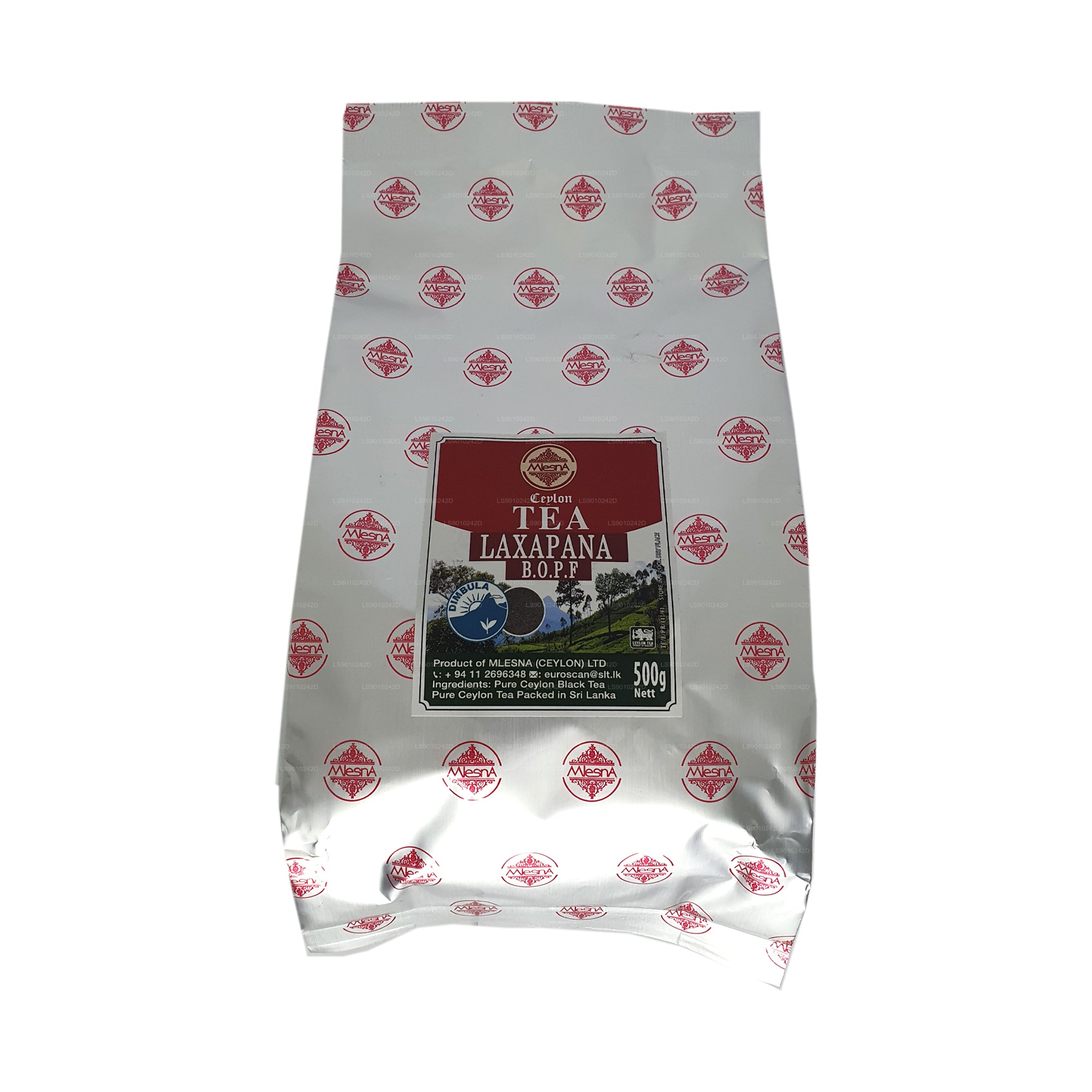
The estate's own packaged teas — particularly the BOPF black grade — are available for purchase on site and make a practical, light souvenir. Freshness matters with estate tea: buying directly from the source, or from a retailer with a known supply chain, ensures the tea hasn't been sitting in a warehouse for months. The Mlesna Laxapana BOPF label is the most widely distributed packaged form of this estate's output outside the plantation gates.
If you are building a broader understanding of Sri Lanka's tea varieties, consider also exploring Ceylon green tea, which the island has produced in smaller but growing volumes over the past two decades — a different processing path from the same leaf that results in a lighter, more delicate cup.
Is Laxapana Estates suitable for families and children?
The estate works well for families. The field walks involve no serious gradients, and the factory tour is engaging for older children who can handle the noise of processing machinery. Tea tasting sessions can be adapted — estate staff are generally happy to prepare a lighter brew or offer plain biscuits alongside. There are no dedicated children's facilities, so families should plan accordingly and bring water and snacks for younger visitors.
Nearby places
10 places within about 25 km, nearest first.