Asgiriya Maha Vihara stands as one of the most venerable Buddhist monasteries in Sri Lanka, serving as the headquarters of the Asgiriya Chapter — one of the two principal Siam Nikaya fraternities that govern Theravada Buddhism on the island. Located on a hill in Kandy, the temple commands both spiritual authority and a quiet grandeur that sets it apart from the busier pilgrim sites in the city centre.
What is the historical significance of Asgiriya Maha Vihara?
The Asgiriya Chapter traces its origins to the late eighteenth century, when the Kandyan Kingdom sought to revive the higher ordination lineage of Theravada Buddhism by inviting monks from Siam (present-day Thailand). Following the establishment of the Siam Nikaya, the monastic community at Asgiriya grew into one of the most influential ecclesiastical bodies in Sri Lanka, with authority over hundreds of temples across the country.
The Mahanayaka — the supreme patriarch — of the Asgiriya Chapter is among the highest-ranking Buddhist clergy in Sri Lanka, and the chapter plays an important ceremonial role in national events including the annual Esala Perahera Festival in Kandy. The monastery's political and religious stature during and after the Kandyan period makes it an essential reference point for understanding Sri Lankan Buddhist history.
What can visitors see at Asgiriya Maha Vihara?
The temple complex sits on a gentle incline and is laid out in the traditional Kandyan monastic style. Visitors encounter well-maintained shrine rooms, a chapter house used for ecclesiastical gatherings, monks' quarters, and a library that holds a collection of ola-leaf manuscripts — handwritten texts on dried palm leaves that preserve ancient Buddhist teachings and historical chronicles.
The image house contains notable statues of the Buddha in classical Kandyan style, along with murals that reflect the artistic traditions associated with the Kandyan Kingdom. Architectural details — carved wooden screens, sloping tiled roofs, and painted plaster friezes — echo the aesthetic found in other historic Kandyan temples, though Asgiriya maintains a more restrained and scholarly atmosphere compared to more frequently visited sites.
- Shrine rooms with classical Kandyan-style Buddha images
- Chapter house used for ordination ceremonies and ecclesiastical assemblies
- Library containing ola-leaf manuscript collections
- Monks' quarters within a working monastic community
- Traditional Kandyan architectural details throughout the complex
How does Asgiriya Maha Vihara differ from the Temple of the Tooth?
The Temple of the Tooth Relic (Sri Dalada Maligawa) is Kandy's foremost pilgrimage destination and draws large crowds throughout the day. Asgiriya Maha Vihara, by contrast, is an active monastic seat rather than a relic shrine open for mass devotion. The atmosphere here is quieter and more contemplative, as the premises serve a working community of monks engaged in study, meditation, and ecclesiastical duties.
For visitors interested in the institutional and scholarly dimensions of Sri Lankan Buddhism — rather than simply the devotional — Asgiriya offers a perspective that the more famous sites in Kandy do not. It is also considerably less crowded, allowing for more considered observation of the architecture and daily monastic life.
When is the best time to visit Asgiriya Maha Vihara?
The temple can be visited year-round, though the most culturally significant period falls during the Esala season — typically July or August — when the Asgiriya Chapter plays a central ceremonial role in the Kandy Esala Perahera, one of Asia's grandest processional festivals. Visiting shortly before or during the perahera period allows travellers to observe the monastery in a heightened state of ceremonial activity.
For a quieter experience of daily monastic life, early morning visits — when monks conduct their rituals and the premises are calm — are particularly rewarding. The cooler months between December and March also provide comfortable conditions for exploring Kandy on foot.
How do I get to Asgiriya Maha Vihara from Kandy city centre?
The monastery is situated on Asgiriya Hill, a short distance northwest of Kandy's main lake and the Temple of the Tooth. It is reachable by tuk-tuk from the city centre in under ten minutes, or by a moderate uphill walk of around twenty to thirty minutes for those who prefer to explore the neighbourhood on foot. Kandy's compact layout makes it straightforward to combine a visit here with other sites in the city. The Kandy City Tour arranged through Lakpura can incorporate the monastery as part of a broader itinerary.
What should visitors know before entering the temple?
As an active and highly respected monastic site, Asgiriya Maha Vihara requires visitors to observe standard Buddhist temple etiquette. Remove footwear before entering any shrine room or the main complex. Dress modestly — shoulders and knees should be covered, and loose-fitting clothing in neutral colours is appropriate. Photography may be restricted inside certain buildings, and it is respectful to ask permission before photographing monks or religious ceremonies.
Visitors should bear in mind that this is primarily a place of religious practice, not a tourist attraction, and the monks in residence deserve quiet and respectful attention. Speaking in low voices and refraining from disruptive behaviour is expected throughout the complex.
What else is worth visiting near Asgiriya Maha Vihara?
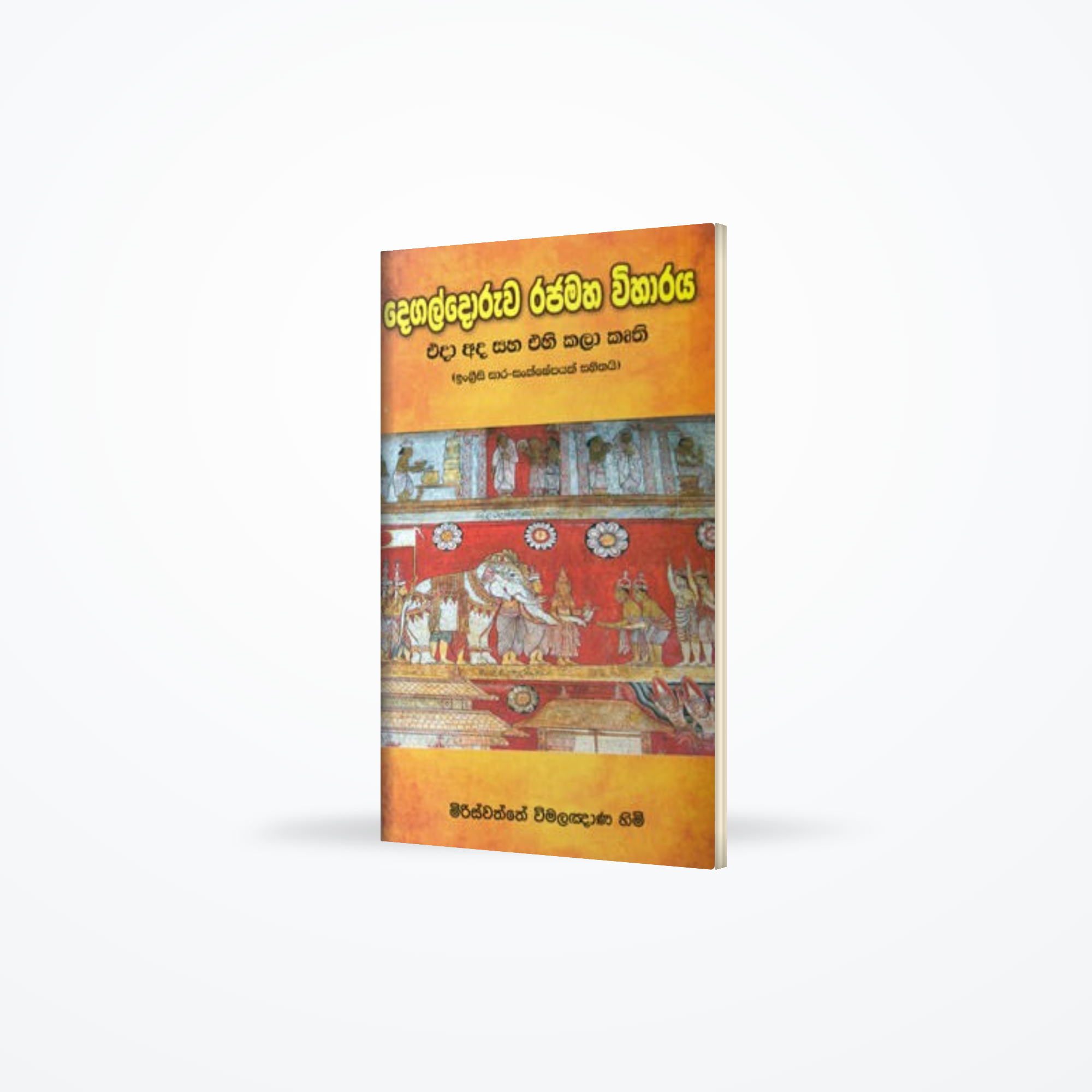
Kandy rewards those who explore beyond the Temple of the Tooth. Degaldoruwa Raja Maha Viharaya, located on the outskirts of the city, contains some of the finest eighteenth-century wall paintings in Sri Lanka and is well worth the short journey. The Kandy Lake, the Royal Botanical Gardens at Peradeniya, and the Kandy Tourist Information Center are all within easy reach and provide context for the city's layered history as the last capital of an independent Sri Lankan kingdom.
Nearby places
10 places within about 25 km, nearest first.
- Asgiriya Maha Viharayaunder 1 km
- Asgiriya Chapterunder 1 km
- Asgiri Viharaya - Adahana Maluwa Gedige Viharayaunder 1 km
- Bogambara Prisonunder 1 km
- Bahirawakanda Vihara Buddha Statueunder 1 km
- Kandy View Pointunder 1 km
- Kandy Railway Stationunder 1 km
- Kandyan Art Association Cultural Centreunder 1 km
- Tiesh Gem Museum1 km
- Katugastota City4 km