Sri Lanka's artistic traditions span more than two millennia, shaped by Buddhism, Hindu culture, three waves of European colonialism, and the island's historic position on the ancient Silk Route. The result is a creative heritage that is genuinely layered — recognisably South Asian in its roots, yet distinctly Sri Lankan in its expression. From monumental rock-cut statues to delicate lacquerwork and hand-woven textiles, the island's arts and crafts tell the story of a civilisation that has continuously absorbed, adapted, and innovated.
How did Buddhism shape Sri Lankan art?
When Buddhism arrived in Sri Lanka in the 3rd century BCE, it brought with it an entirely new visual language. Stupas, or dagobas, became the defining architectural form — a dome-shaped reliquary that can be found in virtually every corner of the island, from the colossal Ruwanwelisaya in Anuradhapura to modest whitewashed structures beside rural temples. The stupa tradition in Sri Lanka developed its own proportions and decorative vocabulary over the centuries, distinct from its Indian origins.
Sculpture followed a similar trajectory. Early Buddha images were carved directly into living rock — the monumental seated and standing figures at Polonnaruwa remain among the finest examples of medieval Asian sculpture anywhere in the world. Craftsmen worked within strict iconographic rules governing posture, hand position (mudra), and facial expression, yet within those rules they achieved remarkable expressiveness and refinement.
Painting developed alongside sculpture. The 5th-century frescoes at Sigiriya are among the oldest surviving examples in South Asia, depicting celestial figures in a fluid, naturalistic style. Temple murals — vibrant narrative sequences illustrating Jataka tales — continued to be produced throughout the Kandyan period and can still be seen in working temples across the hill country.
What are the main architectural styles found in Sri Lanka?
Sri Lankan architecture falls broadly into three overlapping traditions: Buddhist, Hindu, and colonial. Buddhist monastery complexes — image houses, chapter houses, moonstone-flanked staircases, and guard stones — represent the most sustained indigenous building tradition. Hindu kovils, particularly in the north and east, are distinguished by their elaborately sculptured gopuram towers and mandapam pillared halls.
Three centuries of colonial rule left a dramatically different built environment in the coastal towns. Portuguese forts were rebuilt and expanded by the Dutch into formidable bastioned structures; the Dutch Fort in Negombo is a well-preserved example. The British then layered Neoclassical and later Indo-Saracenic styles onto the urban fabric, producing the eclectic streetscapes still visible in Colombo, Kandy, and Galle. Far from erasing earlier traditions, this sequence of influences created an architectural palimpsest unique in South Asia.
What handicrafts is Sri Lanka known for?
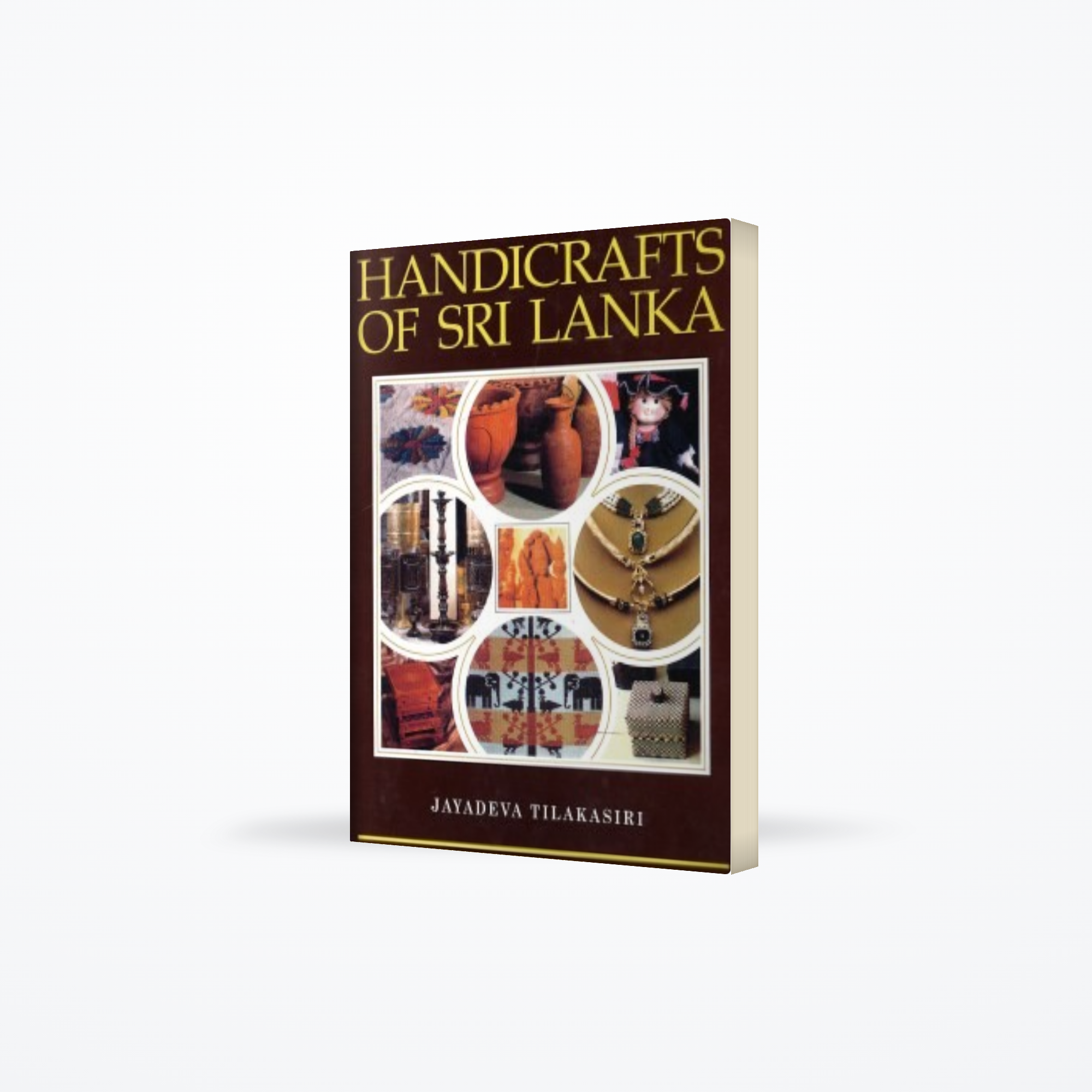
Sri Lanka's craft traditions are as geographically varied as the island itself. Each region has developed specialisms tied to available materials, trade history, and cultural context.
- Kandyan metalwork: Repoussé brasswork, silver jewellery, and ornate caskets are closely associated with the Kandyan kingdom. Craftsmen still produce traditional work in workshops around Kandy's old town, with designs that echo the decorative programmes of the Dalada Maligawa (Temple of the Tooth).
- Mask carving: The low-country tradition of ritual mask carving — centred on the Ambalangoda area on the southwest coast — produces two main mask types: Kolam masks used in narrative street theatre and Sanni masks used in healing rituals. Each demon or character in the Sanni tradition has a precisely prescribed face, colour, and expression. Mask carving workshops open to visitors operate in and around Ambalangoda.
- Batik and handloom weaving: Batik, introduced via trade connections with Southeast Asia, has become a major Sri Lankan craft industry, particularly along the west and south coasts. Handloom weaving of Dumbara mats (geometric-patterned reed mats from the Kandy region) and Beeralu lace (a pillow-lace tradition with probable Portuguese origins, practised around Galle) represent very different ends of the textile spectrum.
- Lacquerwork: Decorative lacquerware — colourful turned wooden objects coated and incised with natural lac — is produced primarily in the Kandy and Kurunegala districts. Walking sticks, thread holders, and small boxes are the most common forms.
- Brassware and coconut shell craft: Utilitarian and decorative objects made from brass, buffalo horn, and coconut shell are widely available. Coconut shell craft in particular has undergone a contemporary revival, with artisans producing bowls, buttons, and jewellery that appeal to environmentally conscious buyers.
- Pottery: Earthenware pottery has been produced in Sri Lanka since prehistoric times. The Kelaniya and Rathnapura areas are associated with traditional clay work, while a number of contemporary studios have revived wood-fired techniques.
Where can travellers see and buy authentic Sri Lankan crafts?
The most reliable places to find authentic, ethically produced work are craft workshops and cooperative shops attached to recognised artisan communities rather than tourist-facing souvenir shops on main roads. The Laksala government craft shops — operated by Sri Lanka Handicrafts Board — maintain quality standards and are present in Colombo, Kandy, and several other cities. For a more immersive experience, arranging a workshop visit through a reputable local operator gives a much clearer picture of how pieces are actually made.
Kandy is the natural hub for arts-related tourism. The city hosts the Esala Perahera Festival each August — one of the largest religious pageants in Asia — where traditional Kandyan dance, drumming, and ceremonial costume are on display at their most elaborate. The Kandy city tour typically covers the main cultural landmarks alongside craft workshops in the surrounding area.
The Galle area is the place to look for Beeralu lace, gem cutting (Sri Lanka is one of the world's leading sapphire sources), and antique Ceylonese colonial-era furniture and objects. The Galle Fort itself — a UNESCO World Heritage Site — contains a number of independent galleries and craft boutiques run by both local and expatriate artisans.
How has Indian culture influenced Sri Lankan arts?
The influence of Indian culture on Sri Lanka's artistic traditions is deep and continuous, but it is not a simple case of import and replication. Classical Indian aesthetic theory — codified in texts such as the Vishnudharmottara Purana and the Chitrasutra — provided the foundational rules for proportion, iconography, and composition that Sri Lankan craftsmen worked within. Hindu devotional sculpture, brought by Tamil communities with deep roots in the north and east, added a vigorous parallel strand of artistic production: bronze casting in the Chola tradition, stone temple sculpture, and the elaborate ritual arts associated with kovil festivals.
Over time, Sri Lankan artists synthesised these influences with local preferences and materials, producing a body of work that specialists can identify as distinctly Ceylonese even within the broader South Asian canon.
What is the tradition of Kandyan dance and performance art?
Kandyan dance — Udarata Natum — is one of Sri Lanka's most recognised living art forms. Developed at the royal court in Kandy, it combines precise footwork, elaborate costuming (layered silver ornaments, headdresses, and sashes), and athletic acrobatics performed to the driving rhythms of the geta bera drum. Historically performed as a temple offering, Kandyan dance is now also presented in cultural shows for visitors — the quality varies significantly, and a performance in a reputable cultural centre differs markedly from a brief hotel lobby demonstration.
Low-country dance traditions — including the masked Kolam and the fire-dancing associated with Tovil healing ceremonies — are equally sophisticated but less widely known outside the island. A number of specialist cultural operators in the southwest run evening performances that contextualise these traditions properly rather than reducing them to spectacle.
Are there contemporary artists worth following in Sri Lanka?
Sri Lanka has a small but serious contemporary art scene, concentrated largely in Colombo. The Saskia Fernando Gallery and Barefoot Gallery are the two best-known commercial spaces, representing artists who work across painting, sculpture, photography, and installation. A number of internationally exhibited Sri Lankan artists have gained recognition in recent years for work that engages directly with the country's postcolonial history, the civil war's aftermath, and environmental change. The Colombo city tour can be extended to include gallery visits on request.