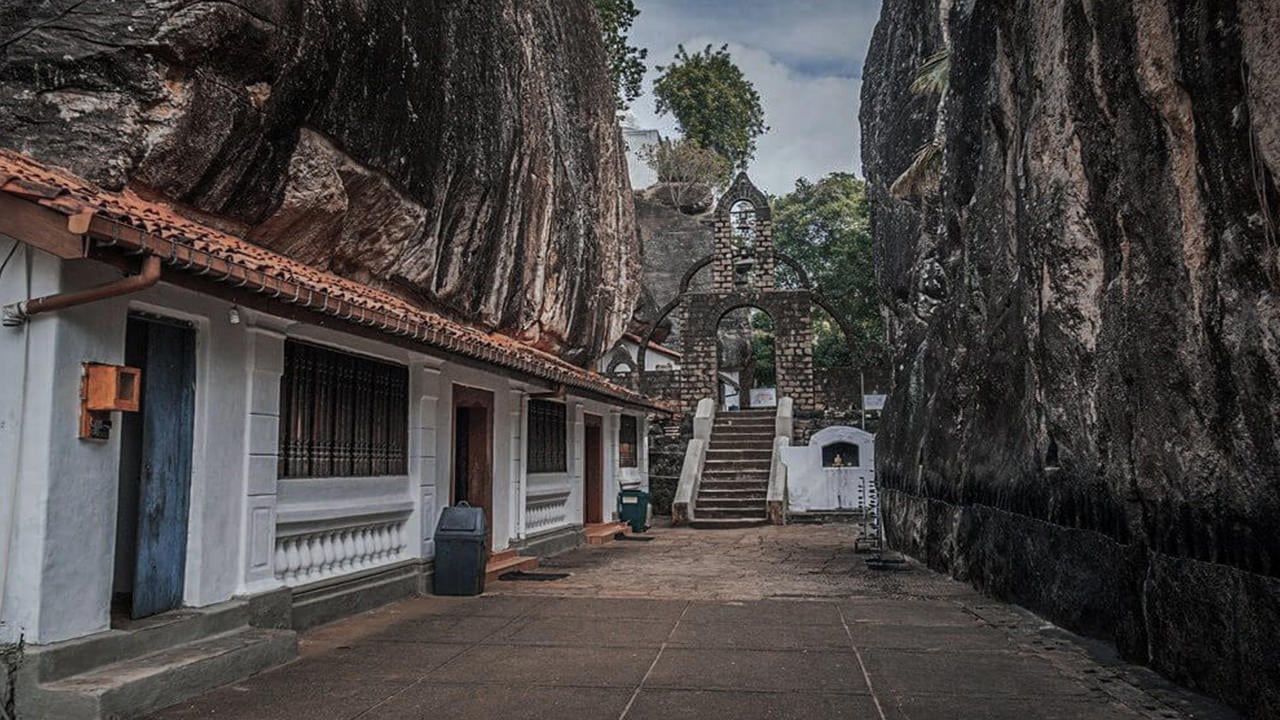
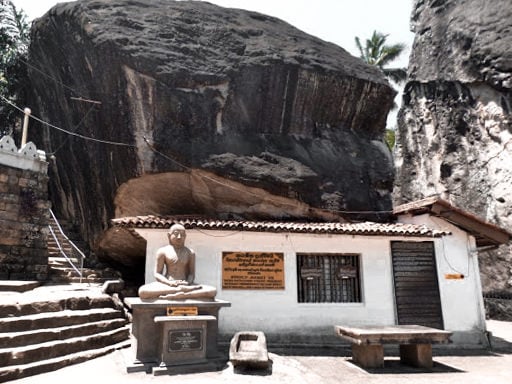
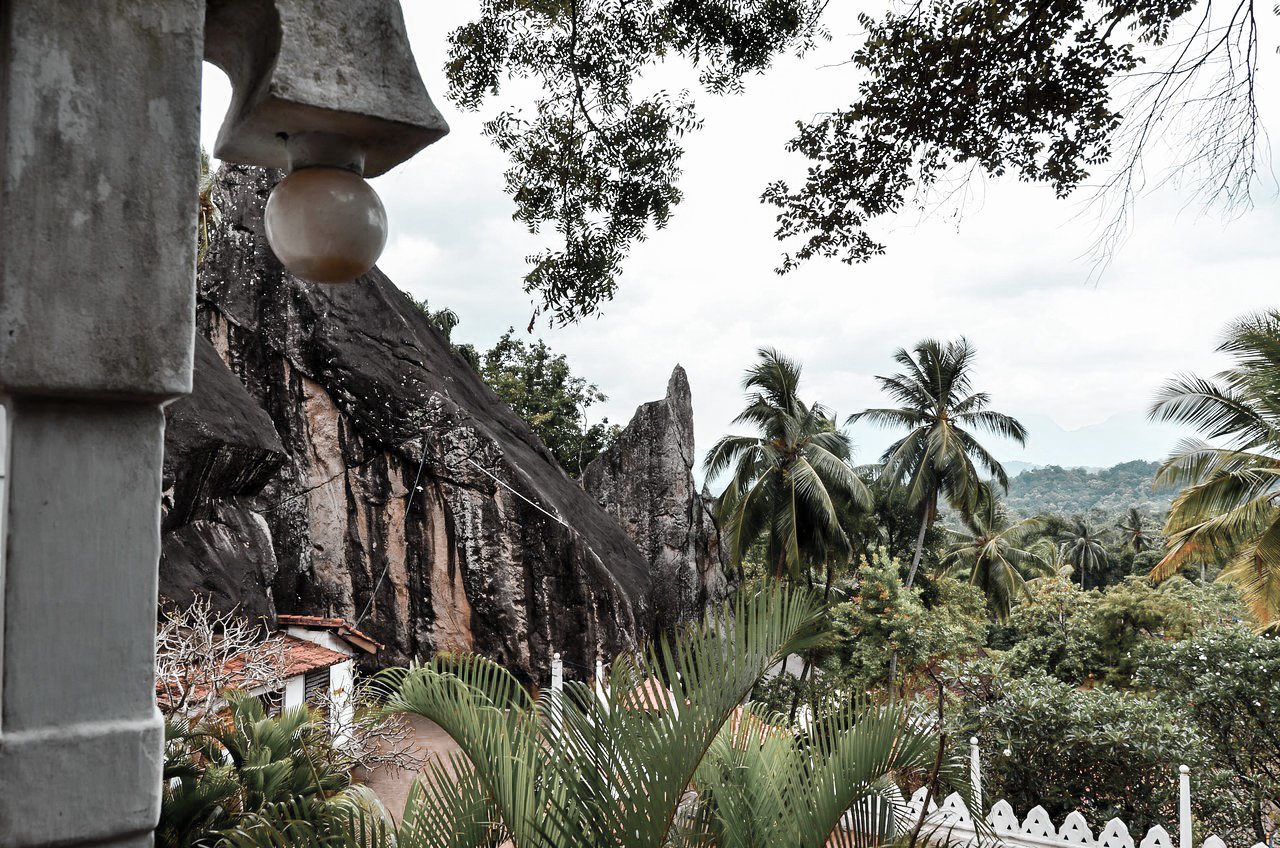
Aluvihare Rock Temple, also known as Matale Alu Viharaya, holds a singular place in Buddhist history. Perched among granite boulders about 30 km north of Kandy on the Matale–Dambulla road, this cave complex is not only a living place of worship but also the site where the entire Pali Canon was first committed to writing — an event that shaped Theravada Buddhism worldwide. Visitors come both for its historical weight and for the painted cave chambers that line the rocky hillside.
What is the history of Aluvihare Rock Temple?
The temple's origins are traced to the 3rd century BC, during the reign of King Devanampiyatissa, the monarch under whom Buddhism was formally introduced to Sri Lanka. Tradition holds that the king established the site, planted a Bo sapling, and commissioned a dagoba here as part of the early spread of the Dhamma across the island.
The most consequential chapter in the temple's history came in the 1st century BC. Sri Lanka was gripped by a prolonged famine known as Baminithiyasaya, lasting around twelve years, compounded by repeated South Indian invasions. Buddhist monks, unable to sustain the oral tradition under such conditions, recognized that the Tripitaka — the body of philosophical and ethical doctrines that form the core of Theravada Buddhism — was at risk of being lost entirely.
King Walagamba, after reclaiming the throne he had lost to the invaders, supported a council of roughly 500 scholarly monks who congregated at Aluvihare. Their task was to first recite and agree upon an authoritative version of the Tripitaka, then transcribe it in full. They chose Aluvihare for its seclusion and the natural security of its cave environment. The resulting manuscripts were written in Pali on puskola poth — books made from thick strips of palmyra or talipot palm leaf, inscribed with a metal stylus. This act of transcription is considered one of the most significant contributions to the preservation of Buddhist teaching anywhere in the world.
What can you see inside Aluvihare Rock Temple?
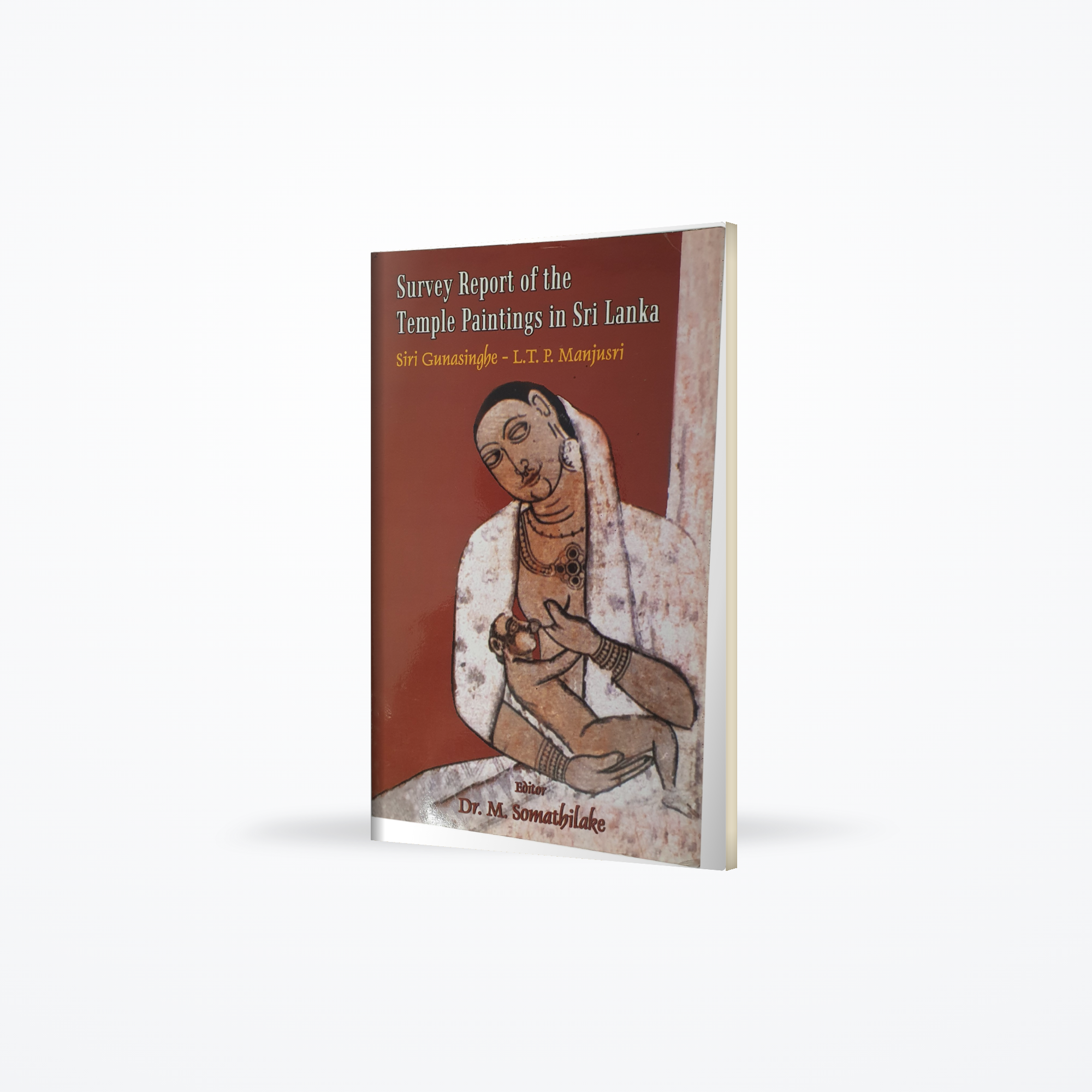
The temple complex comprises several cave shrines set into and around large granite outcrops. Most caves contain reclining or seated Buddha statues, and a number of them preserve painted frescoes depicting scenes from the Jataka tales — stories of the Buddha's previous lives — as well as representations of heaven and hell that are characteristic of Kandyan-era Buddhist art.
- Manuscript Museum: A small library and museum on site displays replicas of ola-leaf manuscripts and tools used in their production, giving visitors a tangible sense of the transcription process.
- Cave Shrines: Several chambers are still active places of worship, with monks residing in the complex. Devotees offer flowers and incense at the main shrines throughout the day.
- Dagoba: A white-washed stupa believed to date to the earliest phase of the site stands within the compound, consistent with the Devanampiyatissa founding tradition.
- Frescoes: The painted interiors of the older caves display imagery that art historians associate with Kandyan craftsmanship, though some layers likely date from earlier periods of renovation.
The walk between caves follows a path of stone steps cut into the rock face. The ascent is moderate and takes around 15 to 20 minutes at a relaxed pace, with views over the surrounding hills and spice gardens typical of the Matale District.
How do I get to Aluvihare Rock Temple from Kandy?
Aluvihare is approximately 30 km north of Kandy along the A9 highway towards Dambulla, passing through Matale town. By private car or tuk-tuk the journey takes around 45 minutes to an hour depending on traffic. Public buses running between Kandy and Dambulla stop near the temple entrance; the nearest town, Aluvihare, is a short walk from the main road. If you are travelling between Kandy and the Cultural Triangle, the temple fits naturally as a half-day stop en route.
When is the best time to visit Aluvihare Rock Temple?
The temple is open year-round and can be visited on any day. Morning visits — before 10 am — are generally cooler and quieter, and the quality of light in the cave interiors is better before the midday heat builds. The Matale region sits in the dry zone rain shadow for much of the year, so wet-weather disruption is less frequent here than on the southwest coast. Poya days (full moon days) draw larger crowds of local devotees and are worth planning around if you prefer a contemplative atmosphere, or worth seeking out if you want to observe active Buddhist practice.
What should visitors know before going?
- Remove shoes before entering any cave shrine. Bring a pair of socks if the rock surface is hot.
- Dress modestly: shoulders and knees should be covered. Sarongs are often available at the entrance for a small deposit.
- Photography is generally permitted in the grounds; in some inner shrines, monks may ask you to refrain. Follow their guidance.
- The site is maintained by the resident monastic community. A donation at the collection box supports upkeep of the frescoes and library.
- There are small stalls near the entrance selling drinks and light snacks, but no full restaurant on site. Matale town, a few kilometres away, has a wider range of options.
How does Aluvihare fit into a broader Sri Lanka itinerary?
Aluvihare pairs naturally with the Dambulla Cave Temple — another cave complex with remarkable frescoes and Buddha imagery, roughly 40 km further north on the same highway. Travellers based in the Cultural Triangle can reach both in a single day. Those coming from the south often combine a Kandy visit with a morning at Aluvihare before continuing to Sigiriya or Polonnaruwa. The Matale District is also well known for its spice gardens, and a short detour to one of the working gardens along the road gives useful context for the agricultural landscape the ancient monks would have known.
For visitors interested specifically in Sri Lanka's Buddhist heritage, Aluvihare is one of the few places on the island where you can trace an unbroken line from a founding moment — the first written Tripitaka — to a living monastic community still using the same site today. That continuity is rare anywhere in Asia.