Sri Lanka has traded spices for well over two thousand years, and the island's reputation as a spice producer still shapes its identity today. More than 15 commercially significant spices grow here, many of them cultivated in the hill country and wet-zone lowlands surrounding Kandy, Matale, and Mawanella. Visiting a working spice garden gives you direct access to that heritage — and a genuinely reliable place to buy what you taste.
Why are spice gardens worth visiting in Sri Lanka?
Most visitors encounter Sri Lankan spices only as flavours in a curry or a package on a supermarket shelf. A guided walk through a spice garden changes that completely. Trained demonstrators show each plant in context — explaining how the bark of Cinnamomum verum is hand-peeled into quills, how Ceylon black pepper clusters ripen on the vine, and how cardamom pods form low on the stem beneath broad leafy canopies.
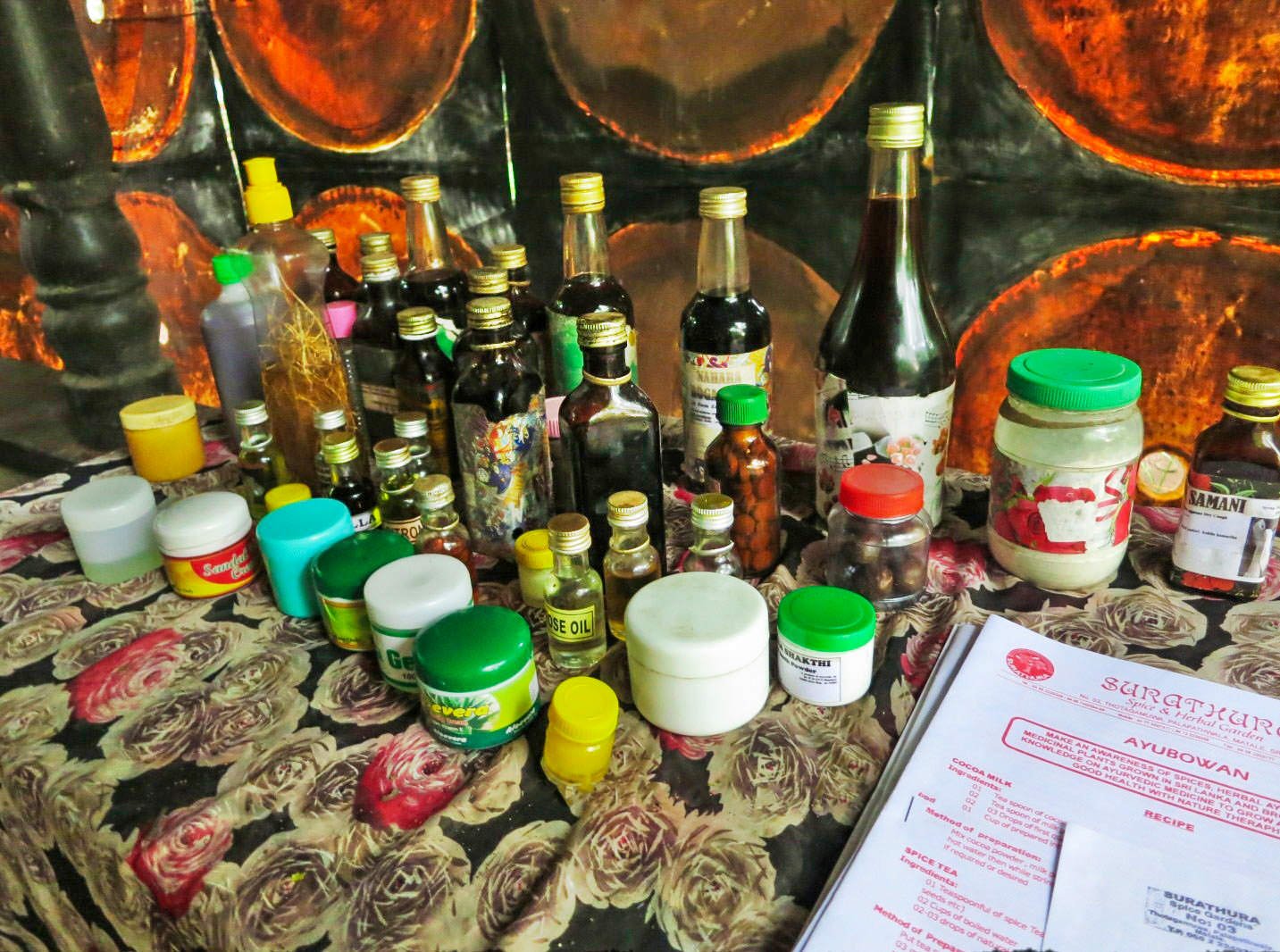
Beyond education, licensed spice gardens offer a practical shopping advantage. Because products move directly from cultivation to counter, quality is traceable and prices are generally fairer than souvenir shops in tourist centres. Many gardens also stock traditional Ayurvedic preparations and natural cosmetics formulated with the same plants on site.
Which spices can you find in Sri Lankan gardens?
The range varies by garden and altitude, but a well-stocked garden typically features:
- True cinnamon (Cinnamomum verum) — Sri Lanka produces around 80–90% of the world's true cinnamon. The delicate, layered quills sold here are a different product from the cassia sold as cinnamon elsewhere.
- Black pepper — a climbing vine that grows readily in the wet zone and mid-country. Both green and dried black peppercorns are available.
- Cardamom — cultivated at higher elevations; the pods are harvested by hand before they split.
- Cloves (Syzygium aromaticum) — the clove tree produces aromatic buds used in cooking, dentistry, and Ayurvedic medicine.
- Nutmeg and mace — the seed and its lacy red covering come from a single fruit; both are sold separately.
- Vanilla — grown on trellises in sheltered plots; a labour-intensive crop that commands premium prices globally.
- Ginger and turmeric — rhizome crops grown widely across the lowland wet zone and sold fresh or dried.
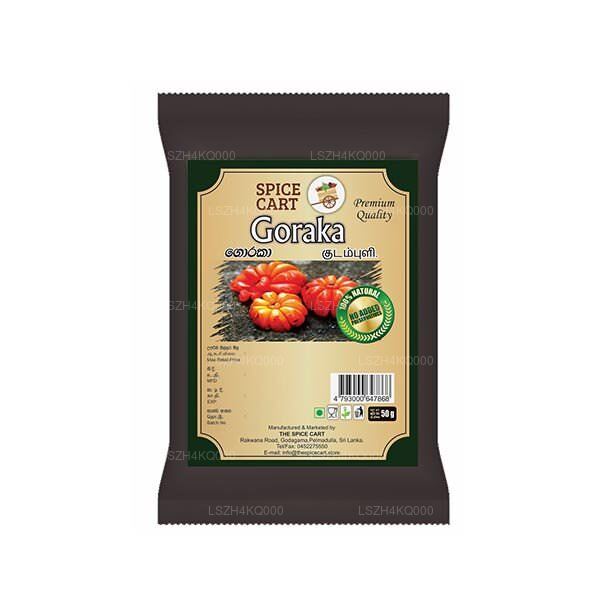
- Goraka (Garcinia cambogia) — a souring agent unique to Sri Lankan cuisine, often unfamiliar to first-time visitors.
Not every garden grows all of these, because each spice requires specific soil, rainfall, and elevation. A reputable garden will tell you honestly what they cultivate on site versus what they source from elsewhere.
Where are the main spice gardens located?
The greatest concentration of licensed spice gardens sits in and around Matale district, roughly 25 km north of Kandy on the A9 road. The proximity to Kandy makes a spice garden visit a logical half-day addition to a Cultural Triangle itinerary. A second cluster lies further south toward Mawanella and Rambukkana, convenient for travellers moving between Kandy and the coastal lowlands.
| Garden | Location |
|---|---|
| Euphoria Spice and Herbal Garden | Matale |
| Highland Spice Garden | Matale |
| International Spice Walk | Matale |
| Kandyan Spice Grove | Hingula |
| New Paradise | Matale |
| Happy Land Spice Garden | Matale |
| Country Side Spice Garden | Nalanda |
| The Island Spice Grove | Mawanella |
| All Spice Garden | Rambukkana |
| Regent Spice Garden | Matale |
| Nilwala Spice Garden | Randeniya |
| Ranweli Spice Garden | Matale |
What should you look for in a licensed spice garden?
Sri Lanka's Tourist Board registers and licenses spice gardens, which provides a basic benchmark of standards. When choosing where to visit, look for gardens that clearly identify each plant with both its common and scientific name, give demonstrations with actual harvesting techniques rather than pre-prepared displays, and sell products with ingredient labelling and contact information on the packaging. These details signal that the garden has nothing to hide about provenance.
Be cautious of unsolicited stops where a driver receives a commission for dropping you at a specific outlet. These arrangements are not inherently dishonest, but they can create pressure to buy. Booking a visit in advance through a reputable tour operator removes that dynamic entirely.
How do spice gardens fit into a broader Sri Lanka itinerary?
A Matale spice garden pairs naturally with a visit to the Dambulla Cave Temple or a morning walk around Sigiriya. The drive north from Kandy through the Matale valley passes pepper and cinnamon smallholdings visible from the road, which gives useful context before you reach a formal garden.
For travellers spending time in the hill country, combining a spice garden stop with Bluefield Tea Gardens or a tour of a working tea estate shows the full range of Sri Lanka's plantation economy. The contrast between a tea estate's manicured rows and a spice garden's denser, more varied planting is itself instructive.
Travellers arriving via the west coast can visit the gardens near Mawanella and Rambukkana as a stop on the Colombo–Kandy road, breaking a journey that otherwise offers little to see outside the vehicle.
Can you buy authentic spices to take home?
Yes, and it is one of the most practical souvenirs you can carry. True cinnamon quills, whole black pepper, dried goraka, and curry leaf powder all travel well and are typically allowed through customs in sealed packaging. Check the import rules for your destination country before purchasing large quantities — most countries permit small personal quantities of dried spices without restriction, but fresh plant material is often prohibited.
If you would rather shop before your departure flight, Lakpura offers a range of Sri Lankan spices for delivery, so you can secure specific products without depending on what a single garden has in stock on the day.
What is the best time of year to visit spice gardens?
Spice gardens are open year-round. However, visiting during or just after a harvest period — typically between May and August for many crops — means you are more likely to see active processing: peeling, drying, or grinding. The mid-country climate around Matale stays relatively moderate throughout the year, making the visit comfortable even in warmer months. Gardens are usually quietest on weekday mornings.