Every year on Vesak Poya Day, the streets of Sri Lanka transform after dark. Towering illuminated structures — known as Vesak Pandals or Vesak Thoran — rise above busy intersections and public squares, their electric panels flickering through scenes drawn from the Jataka tales, the ancient stories of the Buddha's previous lives. For many Sri Lankans, walking from pandal to pandal through the night is one of the most cherished rituals of the Buddhist calendar.
What are Vesak Pandals?
A Vesak Pandal is a large temporary structure, typically several storeys tall, built from timber, bamboo, and steel frames covered in tens of thousands of coloured lights and hand-painted panels. Each pandal tells a single Jataka story — a moral tale in which the Bodhisattva, in an earlier incarnation, demonstrates qualities such as generosity, compassion, or wisdom. The narrative unfolds across the structure in sequential panels, read from left to right, so that a crowd standing on the pavement can follow the story from beginning to end.
The scale is significant. Major pandals in Colombo can span 30 to 50 metres in width and rise several floors high. Smaller versions appear in Kandy, Galle, Negombo, and dozens of towns across the island, meaning that almost every Sri Lankan community has at least one within walking distance during the festival.
When do Vesak Pandals go on display?
Pandals are illuminated on Vesak Poya Day and typically remain lit for two evenings — the full-moon day itself and the day after, known as Ginikeli Day. Vesak falls in the month of May according to the Gregorian calendar, though the exact date shifts each year in line with the lunar cycle. Construction begins weeks in advance, and it is common to see the bare timber frameworks going up in Colombo's designated Vesak Zones from late April onward.
The best viewing hours are after nightfall, roughly from 7 p.m. onwards, when the lights are fully operational and the crowds are at their liveliest. Many families make a night of it, moving from one pandal to the next along a self-guided route through the Vesak Zone.
Where are the main pandols in Colombo?
Colombo concentrates the largest and most elaborate pandals. Historically, areas around Maradana, Borella, Dematagoda, Slave Island, and Pettah have hosted competition-grade structures. The Sri Lanka Buddhist Pandol Competition, organised annually, draws sponsors ranging from trade associations to local businesses, each funding a pandal as an act of merit-making. Winning a top prize in this competition is considered a significant honour.
Outside Colombo, Kandy produces pandals that blend with the city's temple culture, while Negombo and Galle also host notable displays. In smaller towns, community organisations often pool resources to erect a modest but sincere pandal at the main junction or in front of the local temple.
What else happens around Vesak Pandals?
The pandals sit within a wider festival ecosystem. Dansala — free food and drink stalls operated purely as acts of generosity — line the roads nearby, offering everything from rice and curry to plain tea and biscuits. Anyone may partake, regardless of background or faith. The air around a Vesak Zone is typically filled with Bakthi Gee, devotional songs broadcast over loudspeakers, which lend the atmosphere a meditative quality despite the large crowds.
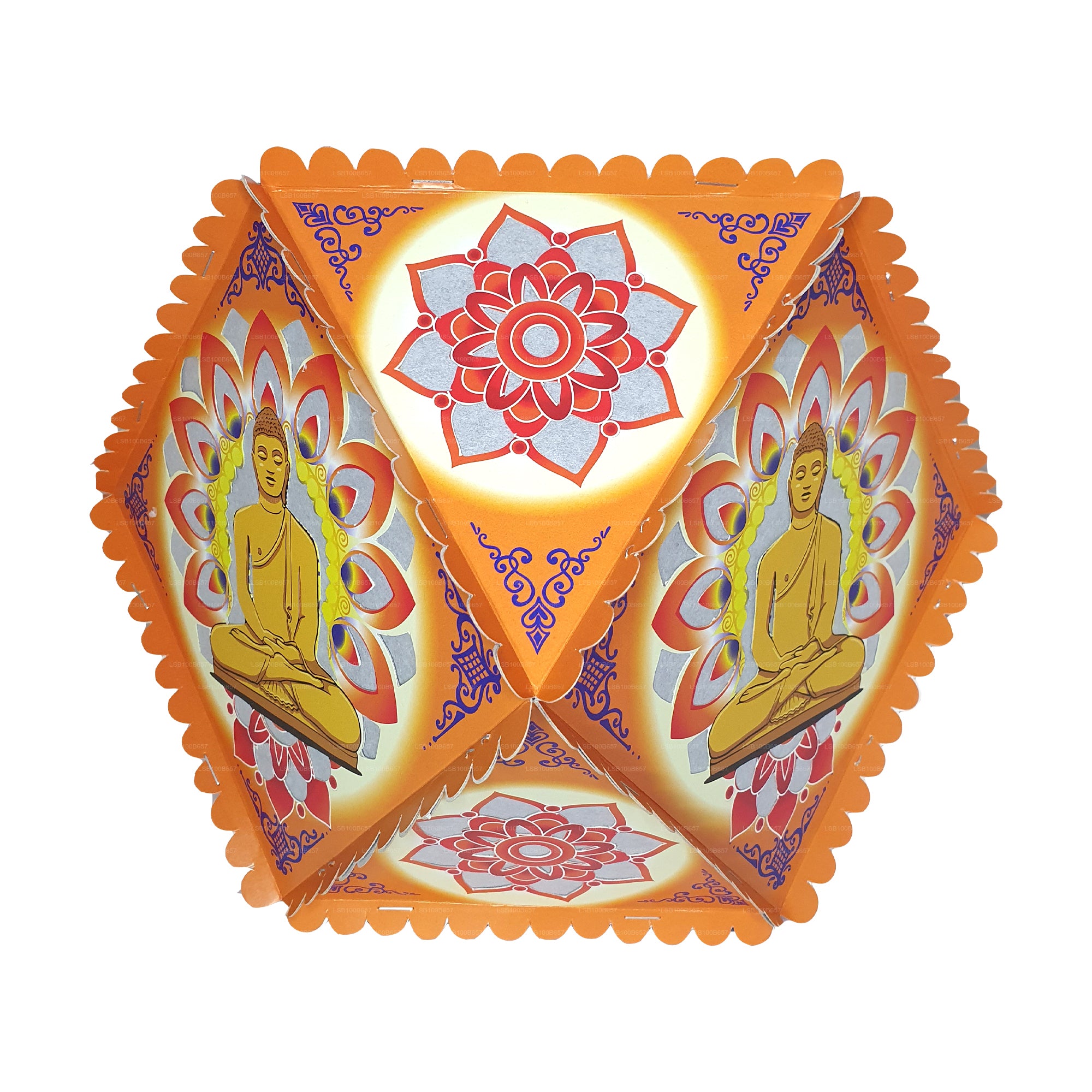
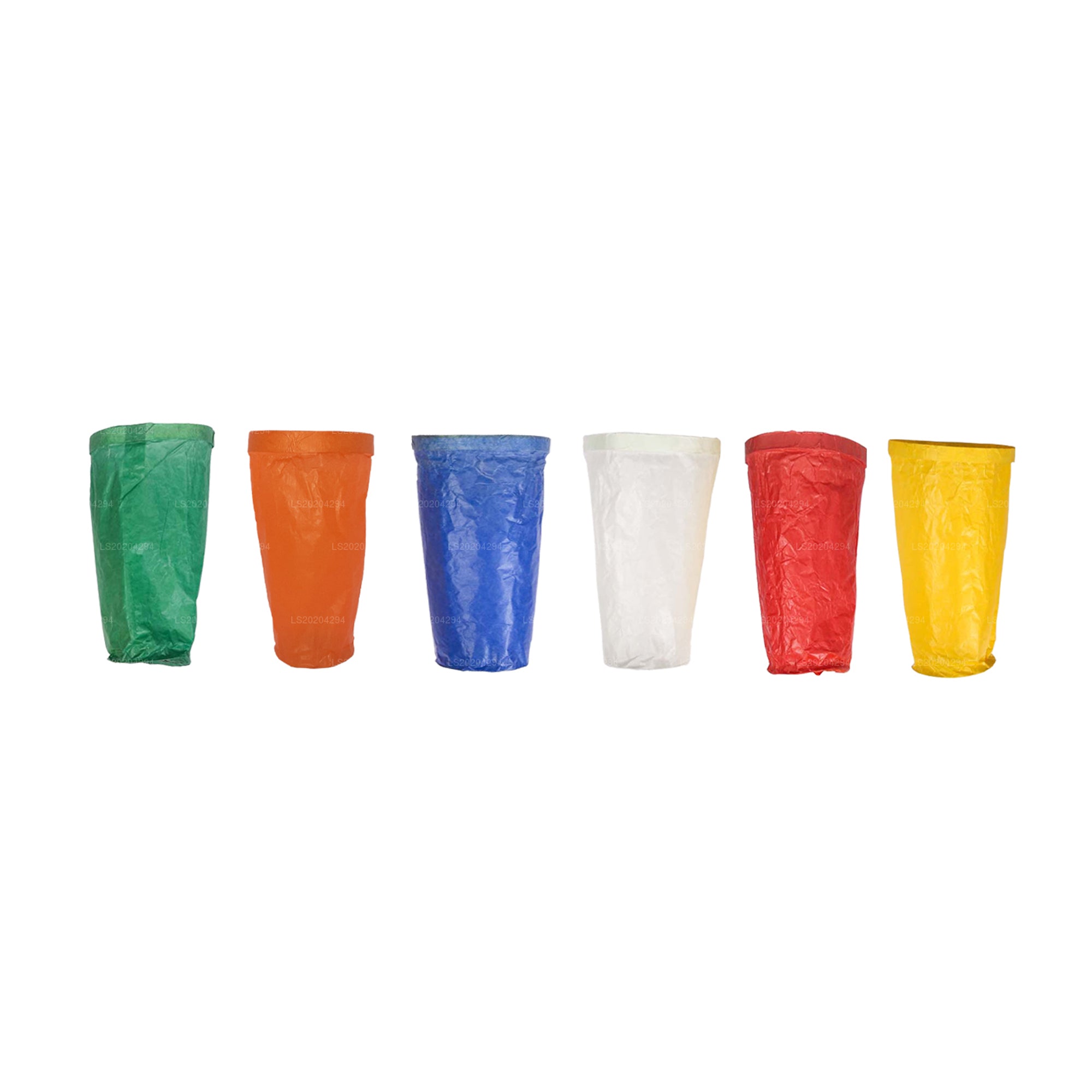
- Vesak lanterns (Vesak Koodu): Handmade paper lanterns hang from homes, lamp-posts, and temple gates throughout the two-day festival, adding a softer, domestic counterpart to the grand pandals.
- Dansala: Free distribution of food and drink as a communal act of dana (giving), open to all.
- Bakthi Gee: Buddhist devotional music played through the night, often performed live by local groups near the larger pandals.
- Observe Sil: Many Buddhists observe the eight precepts on Vesak Poya, adding a layer of quiet spiritual observance alongside the public celebrations.
How are Vesak Pandals built?
Construction of a major pandal is a months-long undertaking. Skilled artists — many of whom specialise in this work and are engaged year after year — begin with pencil sketches of each Jataka panel, then scale these up onto large boards. Electricians wire thousands of individual bulbs or, increasingly, LED strips in sequences that animate the figures, giving the impression of movement: a deer running, a flame rising, a king bowing.
Volunteers, often from the sponsoring organisation or the local temple, assist with the physical assembly: cutting timber, erecting scaffolding, painting backgrounds, and stringing lights. In the final days before Vesak, work typically runs through the night. The finished structure is inspected by municipal authorities before it is switched on.
After the festival, the pandal is dismantled and the materials are either reused or repurposed. The impermanence is deliberate — it echoes the Buddhist concept of anicca, or impermanence, that Vesak itself commemorates.
What is the significance of the Jataka tales depicted?
The Jataka collection contains around 547 stories, though only a selection are commonly depicted on pandals. Popular choices include the Wessantara Jataka, which illustrates supreme generosity, and the Mahasupina Jataka, among others. Each story is chosen by the pandal's artists and sponsors to carry a moral message relevant to the community. The choice is rarely arbitrary — organisers often select a tale that speaks to a contemporary social concern, such as compassion, environmental care, or honesty.
Educational boards placed alongside the pandal explain the story in Sinhala, Tamil, and English, so that the display is accessible to visitors of all ages and linguistic backgrounds. In recent years, some organisers have added QR codes linking to longer explanations online.
Tips for visiting Vesak Pandals
- Wear comfortable, modest clothing. Vesak is a religious occasion even in its public, festive form.
- Go on foot within the Vesak Zone — vehicle access is typically restricted in central Colombo during the two nights.
- Carry small change if you wish to make a donation at a dansala stall; they are free but contributions are welcomed.
- Arrive before 9 p.m. to see the panels clearly before the crowds peak; alternatively, go after midnight when it is quieter.
- Photography is freely permitted and widely practised — a tripod or a phone with a night mode produces the best results.
- Alcohol is not sold during Vesak; this is a government-mandated restriction across the island for both days.
Can visitors from abroad attend Vesak Pandals?
Yes, and many do. Vesak is a national public holiday in Sri Lanka and the pandals are open-air, free, and welcoming to everyone. For international travellers timing a visit to coincide with the festival, booking accommodation in Colombo well in advance is advisable, as hotels in the city centre and along the Vesak Zone routes fill quickly. A private driver can drop visitors at the edge of the restricted zone and collect them afterward, which makes navigation easier — particularly late at night when public transport in the outer areas winds down.
Other species in this genus
3 more, sharing the same genus.
Related reading
4 pages on closely related subjects.