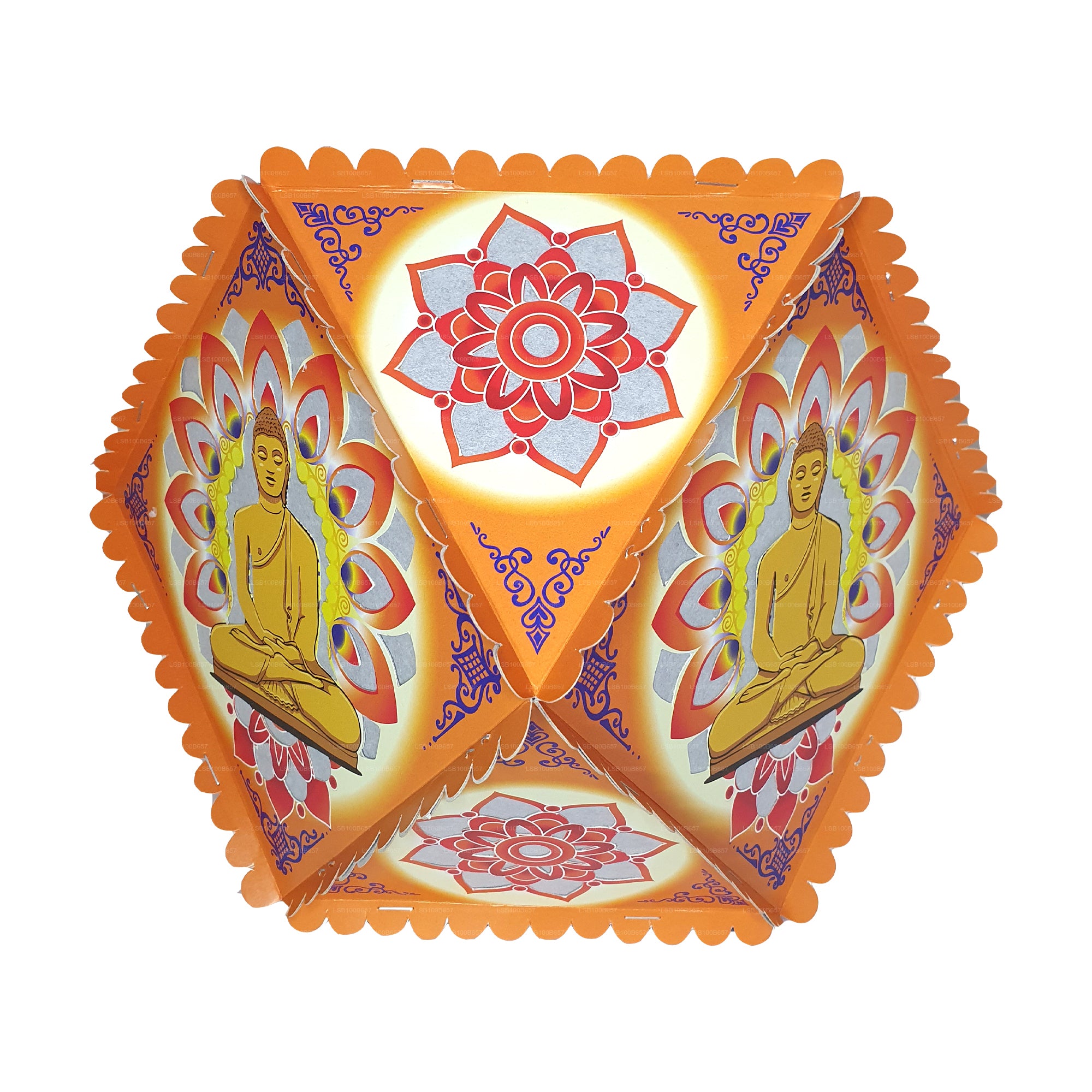
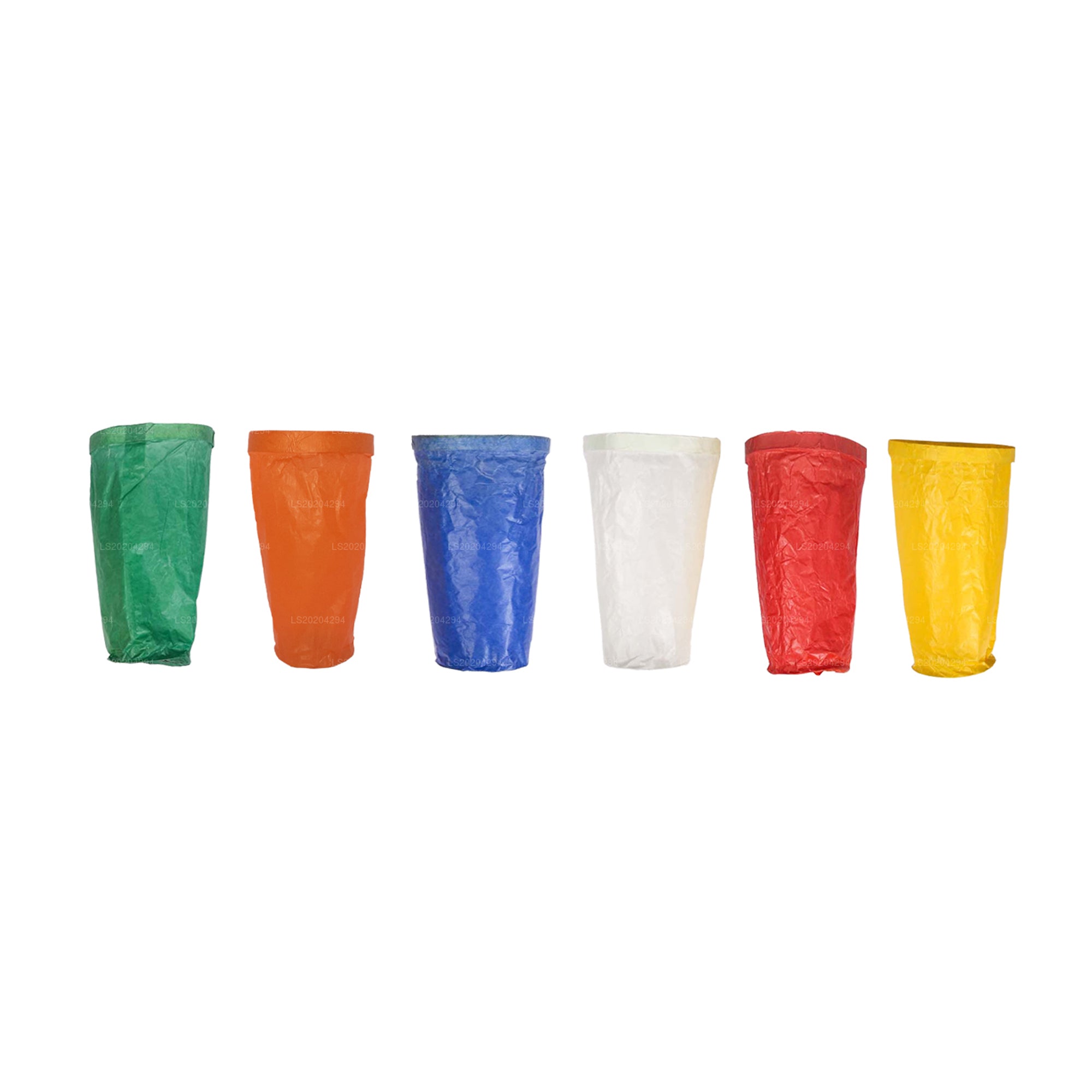
Every year on Vesak Poya Day, Sri Lanka undergoes a quiet but unmistakable transformation. Homes, temples, and entire city streets are dressed in soft glowing light and intricate paper craft, marking the triple anniversary of the Buddha's birth, enlightenment, and passing. The decorations that define this occasion are not mere ornaments — they carry centuries of devotion, communal effort, and artistic tradition. Understanding them is a meaningful way to appreciate what Vesak actually celebrates.
What are the main types of Vesak decorations?
Several distinct decorative forms appear during Vesak, each with its own symbolism and method of construction.
- Vesak lanterns (koodu): The most iconic symbol of the festival. Lanterns are crafted from bamboo, wire, or cardboard frames covered in coloured tissue paper or cellophane. They come in geometric shapes — the traditional atapattam (octagonal) form is especially prized. Families hang them from eaves, gates, and temple courtyards throughout the full-moon night.
- Vesak pandals (thorana): Large illuminated structures, often several storeys tall, erected at major junctions and public spaces. Pandals typically depict scenes from the Jataka tales — stories of the Buddha's past lives — rendered in painted panels or LED light arrays. Building a pandal is a major community undertaking that can involve months of preparation.
- Vesak thoran: Elaborate archway-style decorations placed at temple entrances and neighbourhood gateways, combining floral motifs, lights, and paper cut-outs to frame a passage into a sacred space.
- Paper lotus flowers and flags: The lotus, a core Buddhist symbol of purity rising from muddy water, appears across decorative schemes. Strings of paper lotuses and Vesak flags in the five colours of the Buddhist flag — blue, yellow, red, white, and orange — are draped along roadsides and temple walls.
- Illuminated pathways: In Vesak zones in Colombo and other cities, streets are lined with coloured bulbs and LED strips, often forming patterns that guide visitors from one display to the next through the night.
What do Vesak decorations symbolise?
Each element reflects a layer of Buddhist teaching. Light — whether from a lantern or a towering pandal — represents the wisdom of the Buddha dispelling ignorance. The lotus stands for the possibility of enlightenment from ordinary, imperfect conditions. The five colours of the Buddhist flag, which appear widely in banners and bunting, were first described as radiating from the body of the Buddha at the moment of his enlightenment. Even the communal act of building and displaying these decorations is itself an expression of generosity and merit-making, core virtues in Theravada practice.
Spiritual messages — excerpts from Vesak poems, quotes from the Dhammapada, and short reflections on the Buddha's teachings — are often displayed on boards alongside the visual decorations, making the street itself a space for contemplation.
Where can you see the best Vesak decorations in Sri Lanka?
Colombo hosts the most elaborate public displays. Designated Vesak zones in areas such as Borella, Maradana, and Kelaniya draw enormous crowds who walk from pandal to pandal through the night. The Colombo city tour circuit during Vesak week offers a practical way to take in several major zones in a single evening.
Kandy, home to the revered Temple of the Tooth Relic, surrounds the sacred site with lanterns and offerings throughout the full-moon period. Gampaha, Negombo, and virtually every town across the island also mount local pandals and lantern competitions. The Esala Perahera Festival, though a separate occasion, gives useful context for the scale of religious public celebration that Sri Lankan communities are capable of organising.
Temples such as Iranawila Rajamaha Viharaya and Attanagalla Raja Maha Viharaya are notable for their community-led Vesak observances, including all-night Bakthi Gee (devotional song) performances that accompany the light displays.
How are Vesak lanterns made?
Traditional lantern-making begins days before Vesak. A skeleton frame — historically bamboo, today often wire or pre-cut cardboard — is shaped into the desired form. The atapattam (eight-sided) structure is the most recognisable, though star, crescent, and cylindrical forms are also popular. Sheets of coloured tissue paper or cellophane, known locally as saw kola, are cut and glued over the frame so that light passes through each panel in a different hue. A candle or small bulb is suspended at the centre to illuminate the finished lantern.
Schools and community groups often hold lantern-making workshops in the days approaching Vesak. Children's handmade lanterns, however modest, are considered particularly auspicious when displayed. Pre-cut cardboard kits have made the craft accessible to families who may not have bamboo-working skills, while preserving the participatory spirit of the tradition.
What role do Vesak decorations play in homes and schools?
At the household level, Vesak decorating is a family activity. Small lanterns are hung at the front door or from balcony railings. White cloth or paper banners bearing the Sinhala word for peace are tied between trees. Children draw Vesak greeting cards and exchange them with neighbours and classmates. Some families place paper lotus garlands around home shrines as part of their Sil observance — the practice of observing the Eight Precepts on Poya Day.
In schools and Dhamma Schools (Daham Pasala), competitions encourage students to craft lanterns, miniature pandals, and greeting cards. The judging of these displays is a social event in its own right, drawing parents and teachers together in appreciation of the children's work. These competitions are one of the most effective ways the tradition is transmitted to younger generations.
How do Vesak decorations connect to acts of giving?
Decoration and generosity are intertwined during Vesak. Dansala — free food and drink stalls set up along roadsides for anyone who passes — are themselves often decorated with lanterns, flags, and flower arrangements. The areas where families prepare Vesak Buckets (water-filled containers used as Dansala offerings) are frequently adorned in the same spirit. Giving and beautifying the shared environment become part of the same devotional gesture. The festive aesthetic, in other words, is not separate from the ethical content of the occasion — it amplifies it.
When does Vesak take place and how long do the decorations remain?
Vesak falls on the full-moon day of the lunar month of Vesak, typically in May, though the date shifts each year according to the lunar calendar. In Sri Lanka, the public holiday extends across two days — the full-moon day and the day following. Decorations are usually put up in the week leading up to Vesak and remain in place until the end of the holiday period. The most intense display of illuminated pandals and lanterns occurs on the full-moon night itself, with many families and visitors remaining outdoors until well after midnight.
Other species in this genus
3 more, sharing the same genus.
Related reading
6 pages on closely related subjects.