Vesak poetry holds a quiet but meaningful place in one of Sri Lanka's most widely observed religious celebrations. On Vesak Poya Day — the full-moon night commemorating the birth, enlightenment, and passing of the Buddha — words become a form of offering. Poems are recited at temples, read aloud in homes, displayed alongside stupas and shrines, and shared between friends and family as an expression of goodwill and spiritual reflection.
What are Vesak poems and why are they significant?
Vesak poems are short literary works — verses, stanzas, or longer compositions — that draw on the teachings of the Dhamma, the imagery of the season, and the moral ideals of compassion, mindfulness, and generosity. They are written in Sinhala, Tamil, or English, and sometimes in all three, reflecting Sri Lanka's multilingual character.
Unlike devotional chanting, which follows prescribed liturgical forms, Vesak poetry is personal and creative. A child composing a verse for a school competition, a monk writing a meditation on impermanence, and a university student crafting lines about the glow of a lantern are all participating in the same tradition — one that treats language as a vehicle for awakening.
These poems often circulate on Sil observance days, printed on greeting cards, displayed on temple boards, or shared digitally alongside photographs of Vesak decorations.
What themes appear most often in Vesak poetry?
The imagery in Vesak poetry tends to cluster around a handful of recurring motifs that are deeply tied to the visual and spiritual landscape of the celebration:
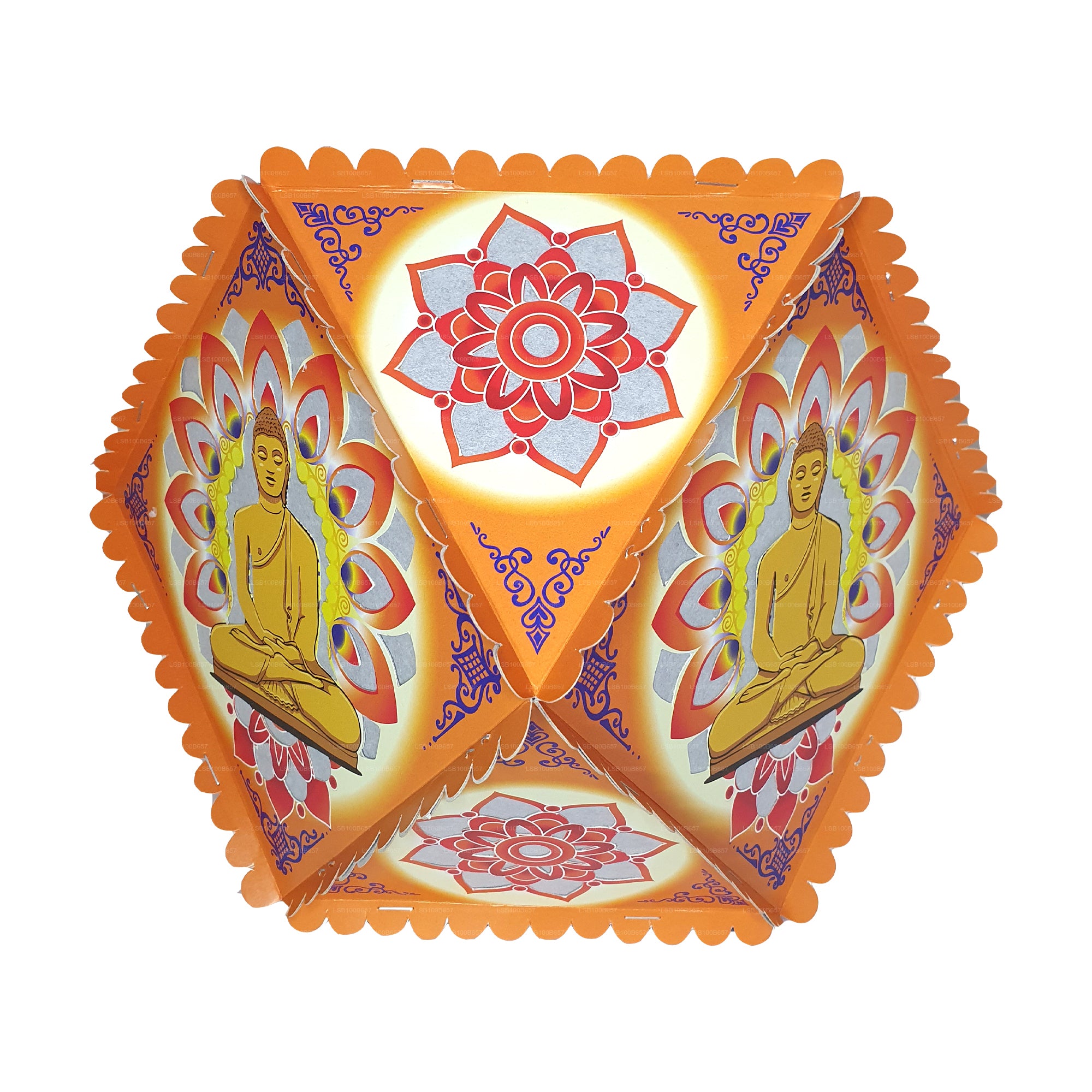
- Light and lanterns — The Vesak koodu (lantern) is perhaps the most prominent symbol. Poets draw on the lantern's flickering light as a metaphor for wisdom dispelling ignorance, for hope in darkness, or for the brief, luminous nature of life itself.
- The Bodhi tree — References to the sacred fig tree under which the Buddha attained enlightenment appear frequently, often as a symbol of shelter, patience, and rootedness.
- The lotus flower — Rising from mud to bloom in clean water, the lotus is a classical Buddhist symbol of purity and potential. It appears in Sinhala, Pali, and English Vesak verse alike.
- Dansala and giving — Many poems honour the tradition of charitable giving — food stalls offering free meals to passersby — as an enactment of the Buddha's teachings on generosity (dana).
- The moon — Vesak falls on a full-moon night, and the moon itself becomes a character in many poems: serene, full, and luminous over temple grounds and paddy fields.
- Pandals and thoran — The elaborate illuminated panels (Vesak pandals) that depict Jataka stories inspire descriptive verse, as poets attempt to capture the visual grandeur in words.
How are Vesak poems used in schools and community events?
In Sri Lanka's Dhamma schools, poetry composition and recitation are standard Vesak activities. Students are encouraged to write original verses or memorise classical Sinhala poems that celebrate the Buddha's qualities. Public recitation builds both confidence and a connection to the Buddhist literary tradition.
Community events and temple programmes often include poetry competitions alongside other cultural activities such as Bakthi Gee (devotional songs) and dramatisations of Jataka tales. Winners may have their poems read over loudspeakers during evening Vesak processions or published in temple newsletters and local newspapers.
In urban areas like Colombo, cultural organisations sometimes host multilingual Vesak poetry evenings where verses in Sinhala, Tamil, and English are read side by side — a reflection of the festival's broad, inclusive appeal.
How have Vesak poems adapted to the digital age?
Social media has become a significant channel for sharing Vesak poetry in contemporary Sri Lanka. Short verses are formatted against backgrounds of glowing lanterns or lotus illustrations and circulated on WhatsApp, Facebook, and Instagram as Vesak greetings. This digital mode of sharing has made poetic expression accessible to diaspora communities around the world, who observe Vesak far from the island but still wish to mark the day with something more considered than a stock image.
Vesak e-cards and online message boards allow people to post original compositions or share well-known verses by respected Sri Lankan poets. Some creative communities run annual online poetry challenges inviting participants to submit Vesak-themed poems in any language, with the best selections compiled into digital anthologies.
What is the connection between Vesak poems and other Vesak traditions?
Vesak poetry does not stand apart from the wider celebrations — it is woven into them. A well-chosen verse might accompany a Vesak greeting card sent alongside lantern-making materials. A poem might be inscribed on the banner of a Vesak thoran or recited as an introduction before a major Buddhist festival event. In this way, poetry acts as connective tissue between the visual, musical, and contemplative dimensions of Vesak.
The practice also reinforces values that the festival embodies more broadly: slowing down, paying attention, expressing care for others through considered language rather than commercial gesture. In a season of lanterns, colours, and crowds, a poem offers a moment of stillness.
Can Vesak poems be written in English?
Absolutely. English-language Vesak poetry has a long history in Sri Lanka, shaped by both colonial-era literary education and the creative output of Sri Lankan writers who work across languages. English verses are common in school competitions, in diaspora communities, and in national newspapers that publish special Vesak supplements. The form is flexible — free verse, rhyming couplets, haiku-style short poems, and longer reflective pieces all appear — and the language barrier presents no obstacle to genuine devotional intent.
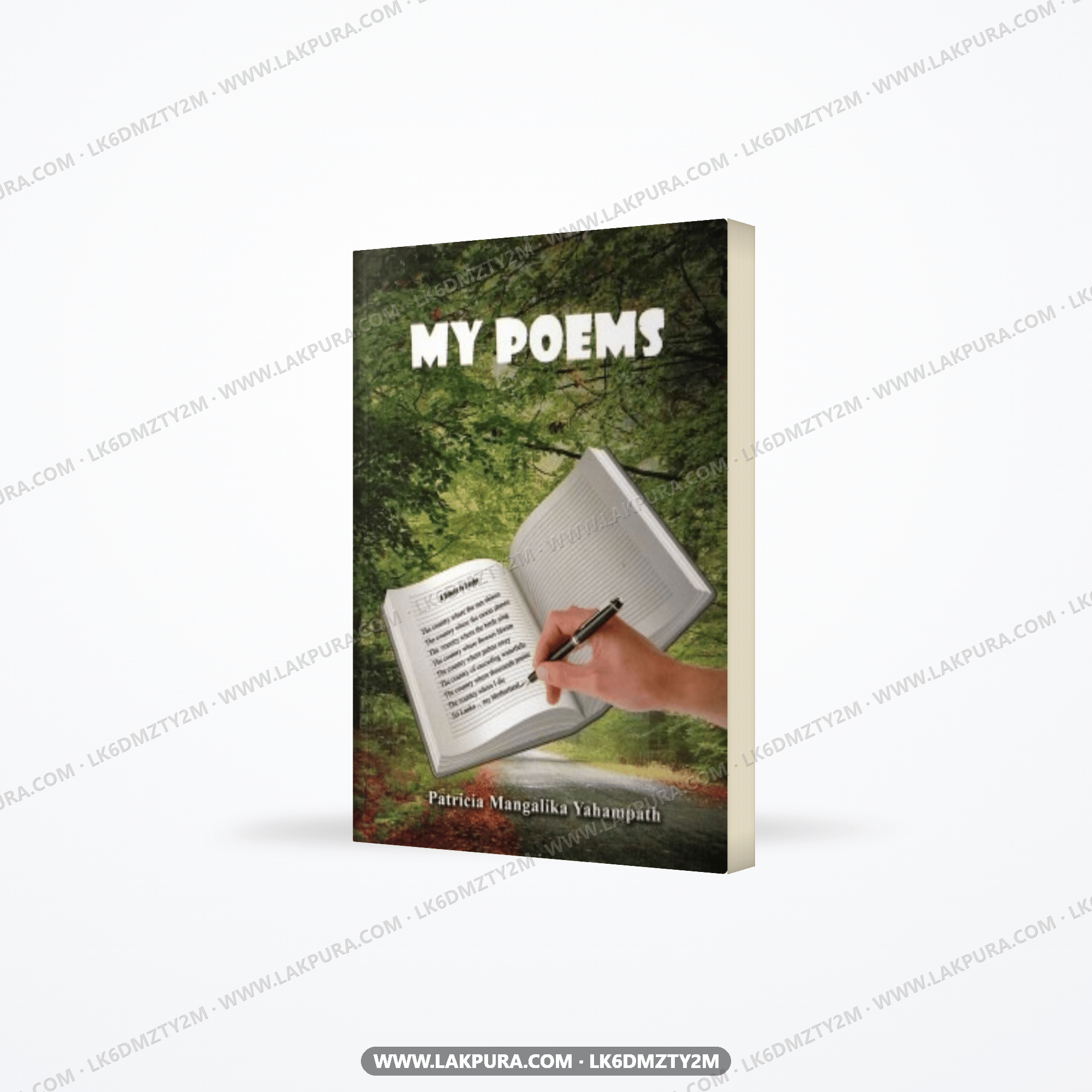
For those looking to read or study Sri Lankan poetry more broadly, published collections — including those focused on Buddhist themes — offer a useful starting point. Lakpura's bookshop stocks a selection of Sri Lankan poetry anthologies that reflect the island's literary heritage.
Other species in this genus
3 more, sharing the same genus.