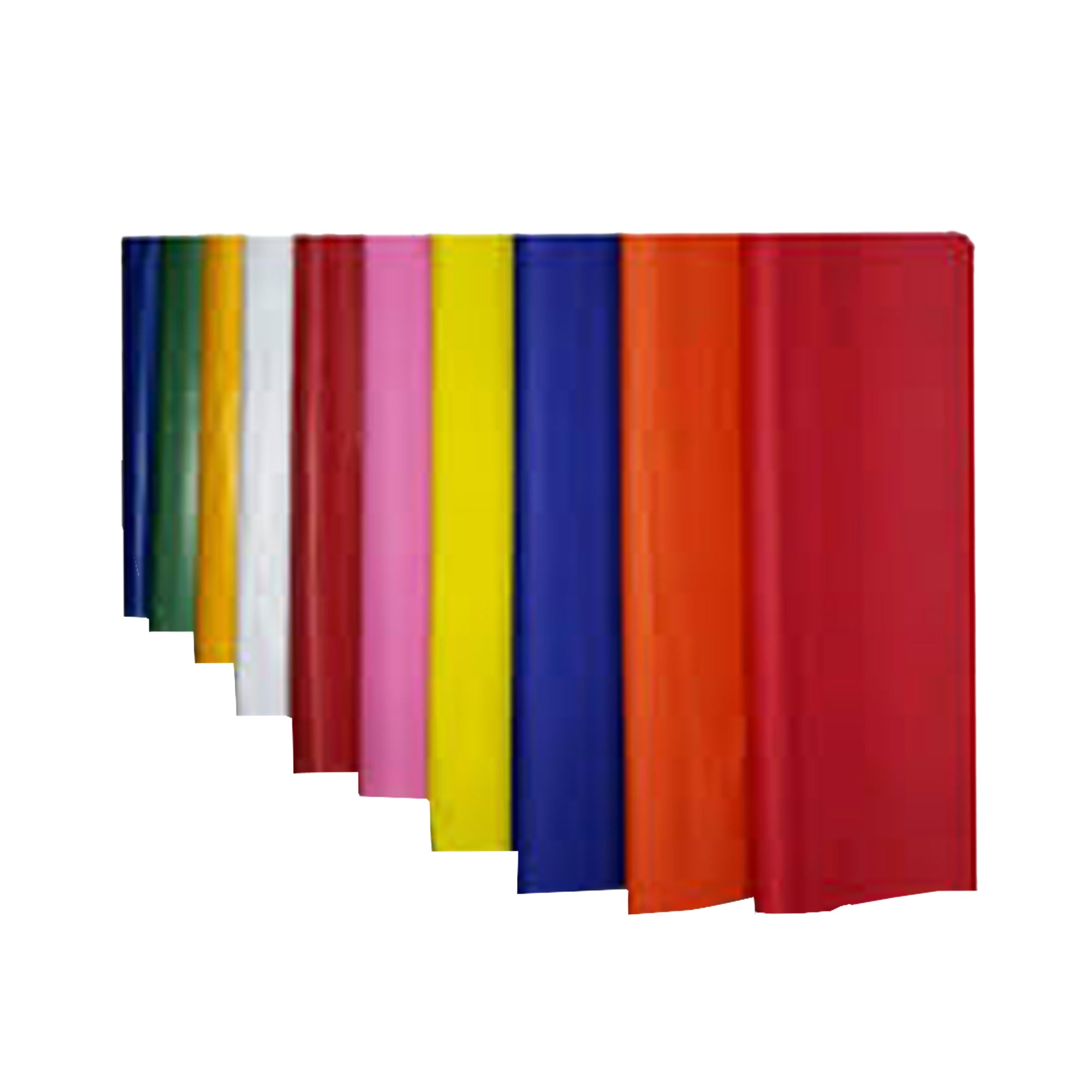
Maximus elephant dung paper is one of Sri Lanka's more unusual and genuinely purposeful craft products. Made from a blend of sanitised elephant dung fibre and post-consumer waste paper, it is an environmentally responsible alternative to conventionally produced paper — and every purchase contributes directly to elephant welfare on the island.
What is elephant dung paper and how is it made?
Elephants are herbivores that consume large quantities of plant matter each day, yet digest only a portion of the cellulose fibre in that food. The undigested fibre, expelled naturally, forms the raw material for Maximus paper. This fibre is collected, thoroughly sanitised, blended with recycled post-consumer waste paper, and then processed using standard papermaking techniques — without the use of chlorine or acid at any stage.
The result is a product that is safe to handle, odour-free, and suitable for writing, printing, and craft applications. Because the manufacturing process avoids harsh chemical bleaching agents, it carries a smaller environmental footprint than most commercial paper.
Why does each batch look and feel different?
No two batches of Maximus paper are identical, and this natural variation is a feature rather than a flaw. Two factors drive it: the elephant's diet and the state of its teeth.
- Colour: The type of vegetation the elephant eats influences the hue of the finished sheet. Coconut fronds tend to produce lighter tones, while kitul palm and jak leaves shift the colour toward warmer, earthier shades.
- Texture: How well the elephant chews its food determines the coarseness of the fibre. Younger elephants with healthy teeth chew more thoroughly, yielding finer, more fully digested fibre and a smoother finished sheet. Older elephants with worn teeth leave the fibre coarser and half-digested, producing paper with a rougher, more pronounced texture.
These variations mean that notebooks, greeting cards, and stationery made from Maximus paper carry a character that mass-produced paper simply cannot replicate.
How does the collection and sanitisation process work?
Raw dung is collected fresh from captive elephants maintained at partnering facilities. It is first washed thoroughly with water to remove surface contaminants, then boiled to kill pathogens and neutralise any residual odour. The cleaned fibre is separated from liquid, beaten to a pulp consistency, and blended with recycled paper pulp to improve sheet strength and uniformity. The combined pulp is then spread on screens, pressed, and sun-dried in the open air — a process that consumes minimal energy compared with industrial paper mills.
Facilities affiliated with the Elephant Transit Home model of managed elephant care share a similar philosophy: treating animals ethically while creating economic activity that funds their upkeep.
What role does this paper play in elephant conservation?
Sri Lanka's wild elephant population faces serious pressure from habitat loss as forests are cleared for agriculture and development. Captive and semi-wild elephants face their own challenges — ageing, injury, and the cost of daily care. Maximus channels a percentage of its sales revenue to the Millennium Elephant Foundation, which is affiliated with the World Society for the Protection of Animals (WSPA) and maintains a sanctuary for elderly and disabled elephants.
Purchasing Maximus paper is therefore not simply a lifestyle choice. It creates a financial link between the consumer and the ongoing care of animals that might otherwise have no home. The model also demonstrates that elephant-related tourism and commerce can generate conservation funding without requiring the animals to perform or be ridden.
What products are made from Maximus elephant dung paper?
The paper is available in several weights and finishes suited to different applications:
- Writing paper and envelopes
- Notebooks and journals
- Greeting cards and postcards
- Gift wrap and decorative sheets
- Art paper for sketching and watercolour
Retailers across Sri Lanka stock Maximus products, particularly in gift shops near wildlife reserves such as Udawalawe National Park, where elephants are a central attraction. The paper is also sold online and makes a lightweight, meaningful souvenir that carries a clear story.
Is elephant dung paper genuinely eco-friendly?
Compared with virgin wood-pulp paper, Maximus paper scores well on several environmental metrics. No trees are felled to produce the raw fibre, chlorine bleaching is absent from the process, the recycled paper component diverts waste from landfill, and drying is solar rather than kiln-based. The fibre source — elephant dung — is a renewable by-product of animals already in captivity and would otherwise be discarded.
The paper is acid-free, which also means documents and artwork produced on it will not yellow or degrade rapidly over time — a consideration often overlooked in discussions of eco-friendly paper.
Where can you see elephants in Sri Lanka?
Understanding where Maximus paper comes from is enriched by seeing Sri Lanka's elephants in their natural context. Udawalawe National Park in the south offers some of the most reliable elephant sightings on the island, with large herds moving across open grassland year-round. Wilpattu National Park in the northwest is another stronghold, though sightings there require more patience.
For travellers specifically interested in elephant welfare, the Pinnawala Elephant Orphanage and the facilities connected to the Millennium Elephant Foundation offer a closer look at managed elephant care — the same ecosystem that supports the production of Maximus paper.
Related reading
7 pages on closely related subjects.