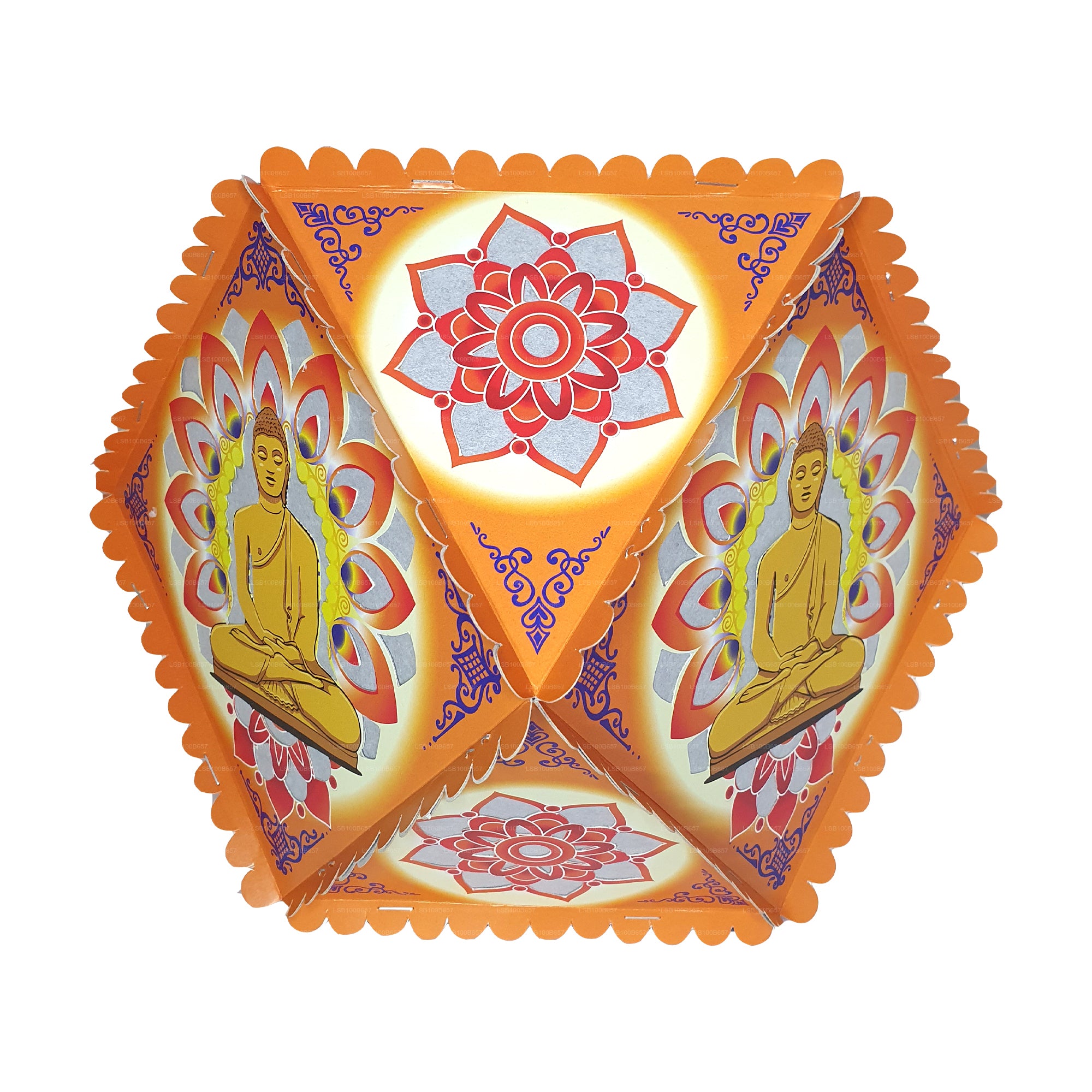
Vesak greetings are more than polite words exchanged on a public holiday. They are deliberate acts of kindness rooted in the core teachings of the Buddha — compassion, generosity, and the pursuit of inner peace. Shared on Vesak Poya Day, which marks the birth, enlightenment, and passing of the Buddha, these greetings travel between family members, friends, colleagues, and even strangers, carrying a quiet wish for the wellbeing of all living beings.
What is the meaning behind Vesak greetings?
At their most basic, Vesak greetings express goodwill in alignment with the Dhamma. Phrases like "May you attain peace and happiness on this sacred day" or "May the blessings of the Triple Gem be with you" reflect Buddhist values rather than seasonal pleasantries. The Triple Gem — the Buddha, the Dhamma, and the Sangha — is frequently referenced in traditional greetings as an expression of reverence and blessing.
In Sinhala, a common greeting is "Suba Vesak Wewa" (සුබ වෙසක් වේවා), meaning roughly "May you have an auspicious Vesak." Tamil-speaking communities in Sri Lanka similarly offer greetings that honor the occasion's spiritual weight. In English, phrases such as "Wishing you peace and enlightenment this Vesak" are widely used, particularly in digital communication and professional settings.
How are Vesak greetings shared in Sri Lanka?
The tradition of exchanging Vesak wishes takes several forms depending on the setting and the relationship between the people involved.
- Vesak cards — Printed or handmade cards featuring Vesak lanterns, lotus flowers, or images of the Buddha are exchanged between friends and families. Children often craft cards at school as part of Vesak activities.
- Digital messages — WhatsApp, Facebook, and other platforms carry a large volume of Vesak wishes each year, often accompanied by designed images, Vesak poems, and short reflective quotes attributed to the Buddha.
- In-person visits — On Vesak night, as families walk through illuminated streets to view pandals and thoranas, greetings are exchanged naturally with neighbours and passersby.
- Dansala distribution — At dansala (food and drink stalls set up to offer free refreshments during Vesak), volunteers frequently distribute printed greetings or small decorative items alongside their offerings.
In Colombo's designated Vesak zones — where large pandals depicting Jataka stories are erected along major roads — the atmosphere encourages spontaneous exchanges of goodwill between strangers. Printed wishes are sometimes handed out alongside Vesak lanterns and decorative items to enhance the communal spirit of the evening.
What role do Vesak lanterns play in the tradition of greetings?
The Vesak lantern (koodu or kudu) is closely tied to the spirit of giving that underlies Vesak greetings. Gifting a handmade lantern to a neighbour or presenting one to a child carries the same intent as a written wish: to bring light, warmth, and joy into another person's home. In Sri Lanka, families begin constructing bamboo-framed lanterns in the days leading up to Vesak, and the craft is passed down through generations.
The observance of Sil (precepts) on Vesak Poya Day often extends the spirit of the lantern tradition — households that observe Sil through the night keep lights burning and welcome those who pass by. In this context, the lantern itself becomes a form of greeting, a silent message of inclusivity and peace.
How do Vesak greetings differ from other Sri Lankan festival wishes?
Sri Lanka's festive calendar includes several occasions when greetings are exchanged, but Vesak wishes carry a distinctly contemplative tone that sets them apart. Unlike the celebratory energy of Sinhala and Tamil New Year, where games and feasting are central, or the grandeur of the Esala Perahera Festival, Vesak is quieter and more inward-looking. The greetings reflect this: they tend to invoke reflection, compassion, and spiritual aspiration rather than personal good fortune.
This is also why Vesak wishes are often accompanied by Dhamma verses or short quotations from the Dhammapada, the ancient Pali text containing the Buddha's sayings. Sharing a meaningful verse alongside a greeting is seen as a form of Dhamma Dana — the gift of the teaching.
How are Vesak wishes used in schools and community settings?
In Sri Lankan primary schools, teachers encourage children to write and decorate Vesak greeting cards as part of the annual observance. These activities teach children both the craft traditions — lantern-making, drawing lotus flowers — and the underlying values of the occasion. Cards are displayed in classrooms alongside Vesak flags and other decorations, and children are often asked to reflect on a Buddhist value they want to practice in daily life.
At Dhamma Schools (Daham Pasala), which operate on Sunday mornings at temples across the country, Vesak is a significant milestone in the teaching calendar. Students recite Vesak poems, perform short plays depicting the life of the Buddha, and present handmade cards to their teachers as a mark of gratitude and respect. These small rituals reinforce the idea that Vesak greetings are not merely social courtesies but active expressions of the path.
Can Vesak greetings be sent in multiple languages?
Yes, and in Sri Lanka this multilingual practice is both common and meaningful. Given the country's Sinhala, Tamil, and English-speaking communities, many people send Vesak wishes in all three languages — particularly on social media, where the audience is mixed. Organisations and businesses typically issue Vesak greetings in Sinhala and Tamil in equal prominence, reflecting the shared significance of the day across communities.
For the Sri Lankan diaspora, digital Vesak greetings serve as an important cultural anchor. A well-crafted message shared from Colombo to a relative in London or Melbourne is not simply a greeting — it is a thread that keeps community ties and shared memory intact across distance.
What makes a Vesak greeting meaningful rather than perfunctory?
The distinction between a heartfelt Vesak wish and a formulaic one lies in specificity and sincerity. A greeting that references a particular quality of the recipient — their patience, their generosity, their practice — carries more weight than a mass-forwarded image. Those who take the time to write a personal note, include a relevant verse, or simply express gratitude for a relationship honoured by the occasion find that their wishes are remembered long after the lanterns have come down.
Ultimately, Vesak greetings work best when they do what the Buddha's teaching asks of its followers: to pay attention, to act with kindness, and to recognise the shared humanity in every person encountered — whether family, friend, or passing stranger on a lantern-lit street.
Related reading
5 pages on closely related subjects.