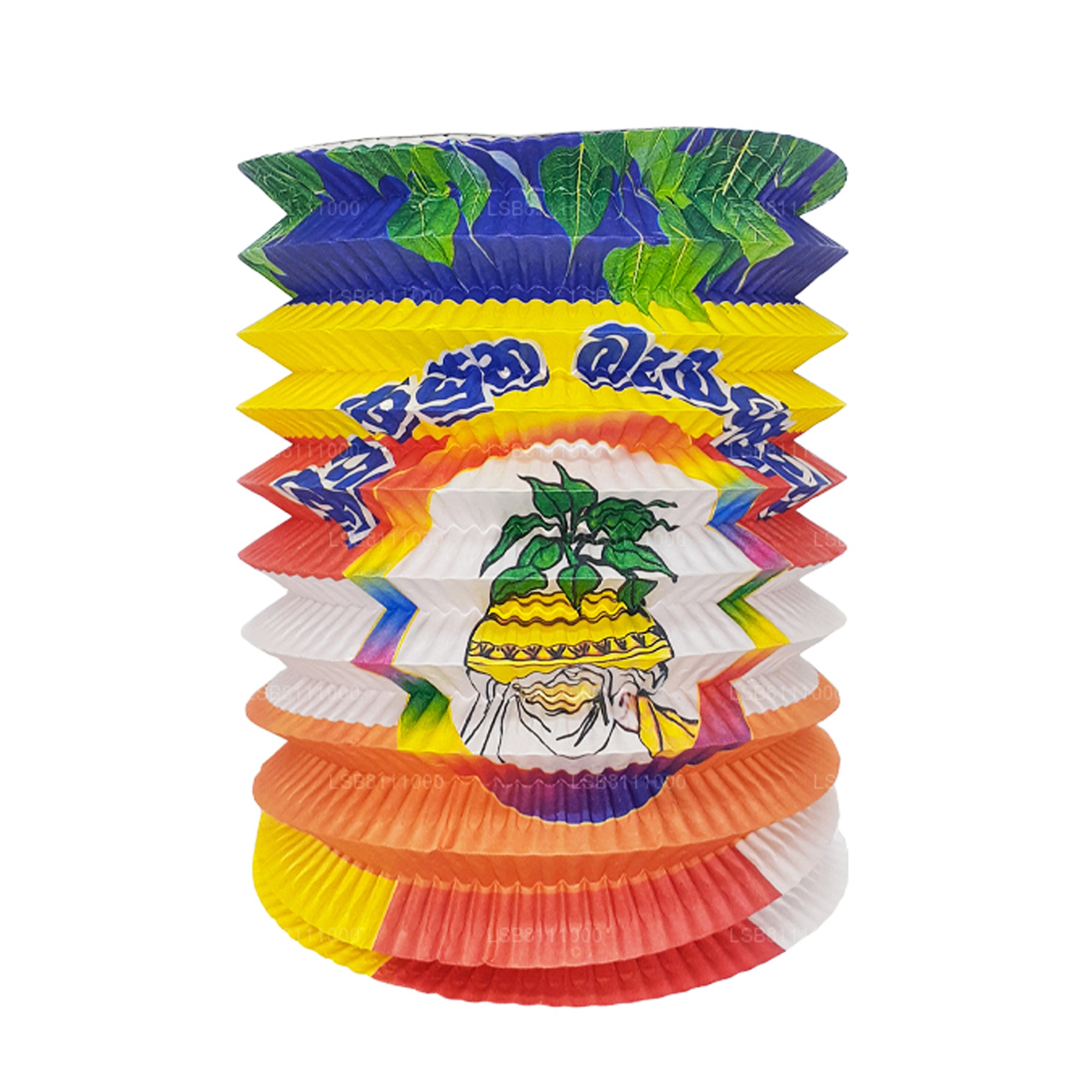
Vesak Poya Day — observed on the full moon of May — marks the birth, enlightenment, and passing of the Buddha. Across Sri Lanka and among Buddhist communities worldwide, one of the most personal ways to honour this day is to share Vesak wishes: short, sincere messages rooted in the Buddha's core teachings of compassion, generosity, and mindfulness. Whether exchanged between neighbours across a fence or sent to relatives abroad via a messaging app, these greetings carry genuine spiritual weight.
What do Vesak wishes mean, and why do people send them?
A Vesak wish is more than a seasonal greeting. It is a small act of metta — loving-kindness — extended to another person. The tradition reflects the Buddha's teaching that goodwill should not be confined to close family; it should radiate outward to strangers and even to those we find difficult. Sending a wish is therefore a practice in itself, a moment of deliberate kindness during a festival that encourages reflection on the nature of suffering, impermanence, and the path toward liberation.
Common themes in Vesak messages include peace of mind, freedom from suffering, gratitude for the Dhamma, and hopes for harmony in the recipient's household. Many messages draw directly on well-known verses from the Karaniya Metta Sutta or other Pali suttas, translated into everyday Sinhala, Tamil, or English.
How are Vesak wishes traditionally shared in Sri Lanka?
The exchange of wishes takes many forms depending on the context. At a formal level, printed Vesak cards — often illustrated with lotus flowers, dhamma wheels, or images of Vesak lanterns — are distributed at temples, schools, and community centres. Volunteers at Dhamma schools typically prepare wish cards as part of the children's festival activities, reinforcing the values being taught in religious education.
In Colombo's Vesak zones, where crowds gather to view elaborately constructed pandals and thorana (illuminated tableau displays), printed wish cards are sometimes handed out alongside small gifts or refreshments at dansala — free-food stalls operated as acts of charity. The wish in this context becomes inseparable from the act of generosity itself.
At home, families often place handwritten wishes near the household shrine or pin them beside Vesak decorations and koodu (paper lanterns). Children are encouraged to write their own messages rather than simply copy a template, giving the practice an educational dimension.
What makes a good Vesak wish?
There is no fixed formula, but the most meaningful Vesak messages tend to share a few qualities:
- Brevity: A single sentence or short verse is often more powerful than a long paragraph. The recipient can absorb it quickly and let it settle.
- Sincerity: Generic text copied wholesale from a social media graphic loses its impact. Adding even one personal line — a specific hope for the recipient's wellbeing — transforms the message.
- Doctrinal grounding: Referencing a teaching, even loosely, anchors the wish in something larger than social convention. Phrases evoking the Triple Gem (Buddha, Dhamma, Sangha) are widely used and deeply recognised.
- Language choice: In multilingual Sri Lanka, choosing the recipient's preferred language is itself an act of respect. Many people send bilingual messages — Sinhala and English, or Sinhala and Tamil — as a gesture of inclusivity during a festival that ultimately belongs to no single ethnic community.
What are some traditional Vesak quotes and verses used in wishes?
Several Pali verses appear repeatedly in Vesak messages across generations. The opening lines of the Metta Sutta — often rendered in Sinhala as "Sabbe satta sukhi hontu" ("May all beings be happy") — are probably the most widely cited. Other common references include:
- Verses on impermanence: "Sabbe sankhara anicca" — a reminder that all conditioned things are transient.
- Lines from the Dhammapada on the primacy of mind: "Mano pubban-gamā dhammā" — "Mind is the forerunner of all actions."
- Traditional Sinhala blessings such as "Suba Vesak Poya Dinayak Vewa" — wishing the recipient an auspicious Vesak day.
Poets and schoolchildren alike adapt these sources into original verses, which are sometimes recited at temple ceremonies or published in community newsletters.
How has digital communication changed the way Vesak wishes are shared?
Social media and messaging platforms have dramatically expanded the reach of Vesak greetings. WhatsApp groups, Facebook timelines, and Instagram stories are now flooded with Vesak imagery — lotus flowers, glowing lanterns, and stylised dhamma wheels — on the days surrounding the full moon. For Sri Lankans living abroad, digital wishes have become the primary way to maintain a felt connection with the festival back home.
The shift brings both opportunity and a degree of risk. The ease of forwarding a pre-made graphic means millions of people share identical messages, which can hollow out the personal intent behind the practice. Many Buddhist organisations actively encourage recipients to pause before forwarding, to read the message, and to reflect on the person they are sending it to — restoring the original spirit of metta even within a digital medium.
Some temples and cultural organisations also livestream Vesak activities, allowing diaspora communities to participate in lantern displays and bodhi puja ceremonies in real time, with wish-exchanges happening simultaneously in the comments and in private messages.
How do Vesak wishes connect to broader festival traditions?
Vesak wishes do not exist in isolation. They are part of a broader ecosystem of practices that together create the atmosphere of the festival. Observing sil (the eight precepts) on Vesak Poya Day is considered the most significant personal commitment a lay Buddhist can make; wishes exchanged on that day carry extra resonance because both sender and recipient may be engaged in a day of fasting, meditation, and restraint. The Esala Perahera is the island's other great Buddhist public celebration, but Vesak has a quieter, more intimate quality — the lantern in the window, the card on the shrine table, the wish sent to a friend at dawn.
In schools, Vesak activities for children often culminate in a display where hand-crafted lanterns and written wishes are exhibited together, reinforcing the connection between aesthetic creativity and spiritual intention. Parents and teachers use these occasions to explain the meaning behind the festival rather than treating it as a purely decorative event.
Are Vesak wishes only for Buddhists?
In practice, no. Sri Lanka's multi-religious society means that Vesak wishes are exchanged across community boundaries, much as Deepavali or Christmas greetings move across religious lines in other countries. Non-Buddhist Sri Lankans often send or receive Vesak wishes as a mark of respect and solidarity. International visitors who happen to be in Sri Lanka during Vesak frequently find themselves on the receiving end of spontaneous good wishes from strangers, particularly near temple precincts or in the glow of a neighbourhood lantern display. The universal content of most wishes — peace, happiness, freedom from suffering — translates naturally across faith traditions.
Related reading
3 pages on closely related subjects.