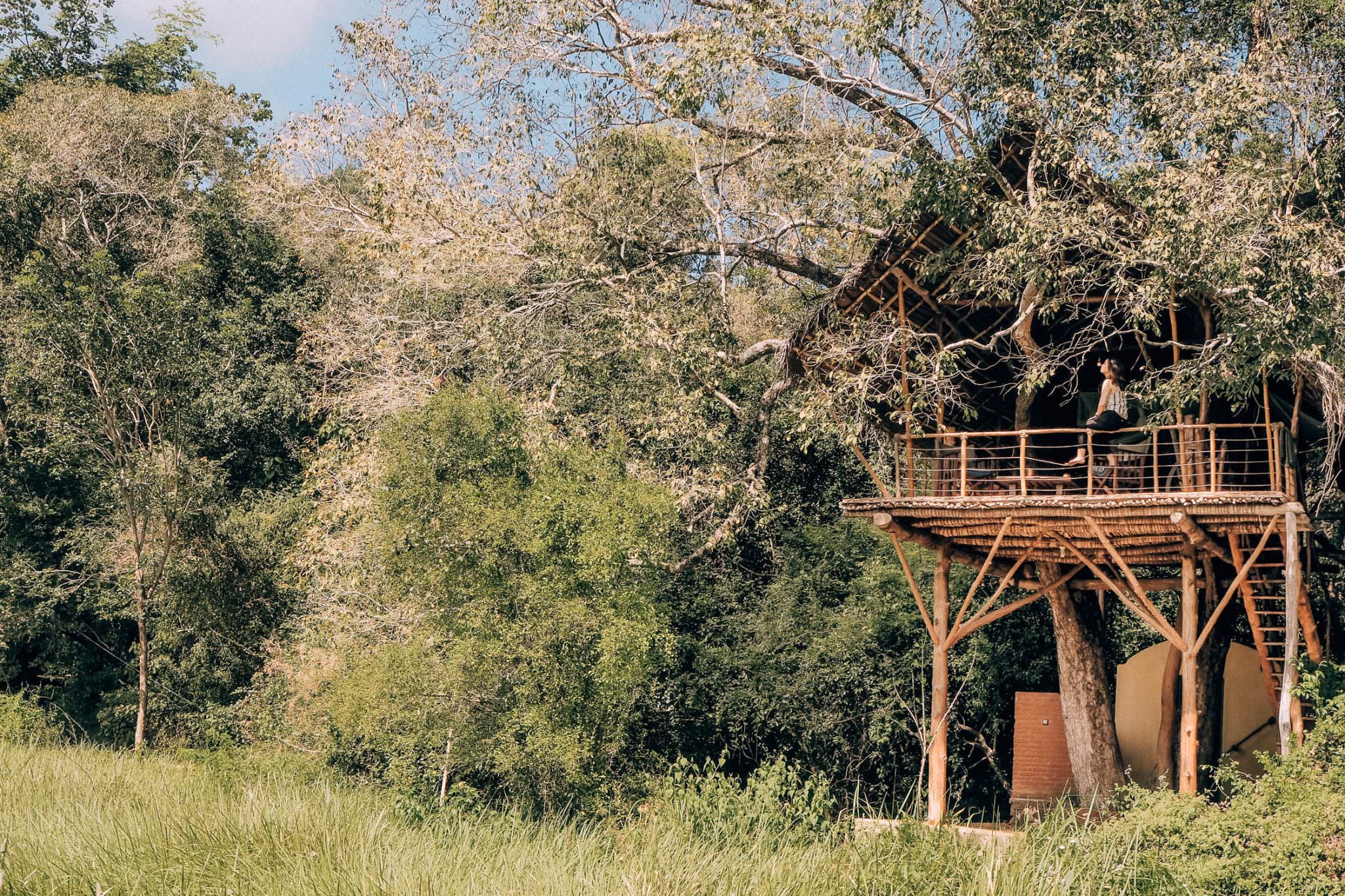
Sri Lanka packs an extraordinary range of experiences into a relatively compact island. Within a single trip you can track leopards through dry-zone scrub, walk the ramparts of a 17th-century Dutch fort, sip freshly brewed Ceylon tea on a misty plantation, and watch the sun set over the Indian Ocean from a palm-fringed beach. The challenge, for most travellers, is deciding which version of Sri Lanka to pursue. Browsing tours by theme is the most direct way to match your interests with the right itinerary.
What kinds of themed tours does Sri Lanka suit best?
Sri Lanka's geography and cultural depth support a wider range of travel themes than most destinations of comparable size. The broad categories below represent the themes Lakpura's itinerary designers build most frequently — each reflecting a genuine strength of the destination rather than a marketing convenience.
- Cultural & Heritage Tours — The island's UNESCO World Heritage Sites, ancient capitals, and living temple traditions make it one of Asia's most rewarding cultural destinations. Highlights include Sigiriya Rock Fortress, the medieval city of Polonnaruwa, and the Esala Perahera Festival in Kandy.
- Wildlife & Nature Tours — Sri Lanka has one of the highest densities of leopards in the world, large herds of wild elephants, and over 430 bird species. Udawalawe National Park and Wilpattu National Park are among the most visited reserves, while the Sinharaja Forest Reserve offers an immersive rainforest experience.
- Beach & Coastal Tours — The island's coastline changes character from one region to the next: calm lagoons on the northwest, surf breaks on the south, and coral gardens on the east. Seasons shift around the island, so there is generally a beach in good condition at any time of year.
- Honeymoon Tours — Sri Lanka consistently ranks among Asia's top honeymoon destinations. The combination of boutique coastal hotels, candlelit colonial dining rooms, private wildlife drives, and intimate hill-country retreats makes it well suited to couples seeking variety without long travel times between locations.
- Family Tours — With a mix of accessible wildlife, hands-on cultural experiences, and safe, well-serviced hotels, Sri Lanka works well for families travelling with children of most ages. The Elephant Transit Home at Udawalawe and sea turtle hatcheries along the south coast are perennial favourites with younger travellers.
- Adventure Tours — From white-water rafting on the Kelani River to hiking across the Horton Plains at dawn, surfing at Arugam Bay, and hot-air ballooning over the Cultural Triangle, Sri Lanka offers a credible adventure itinerary without the infrastructure challenges found in some neighbouring countries.
- Yoga & Ayurveda Retreats — Sri Lanka maintains a well-established tradition of Ayurvedic medicine, and the number of certified retreat centres has grown steadily over the past two decades. Yoga tours typically combine daily practice sessions with cultural excursions and time for rest, making them popular with travellers seeking a restorative rather than purely sightseeing-focused trip.
- Gastronomic Tours — Sri Lankan cuisine is built on a distinct spice palette that includes Ceylon black pepper, cinnamon, and cardamom. Food-focused itineraries weave in spice garden visits, cooking classes with local families, street-food walks in Colombo, and meals at restaurants championing traditional Kandyan and coastal recipes.
- Luxury Tours — Sri Lanka has a growing portfolio of genuinely world-class properties, from restored tea-planter bungalows in the hills to design-led ocean-front villas on the south coast. Luxury itineraries pair these accommodations with private guides, chauffeured vehicles, and exclusive access experiences.
- MICE & Corporate Tours — Colombo's expanding conference infrastructure and the island's appeal as an incentive destination have made Sri Lanka an increasingly competitive choice for meetings, incentives, conferences, and exhibitions in the South Asian region.
- Destination Weddings — Colonial beach hotels, clifftop gardens, and ancient temple grounds provide distinctive backdrops for weddings. Sri Lanka's legal framework accommodates foreign nationals, and the relatively lower venue costs compared to European or South-East Asian alternatives make it an attractive proposition.
How do I choose the right theme for my trip to Sri Lanka?
Most travellers find that a single theme rarely captures everything they want from Sri Lanka. A useful starting point is to identify your primary motivation — whether that is wildlife, culture, relaxation, or active pursuits — and then layer complementary experiences around it. A wildlife tour based in the dry zone, for example, pairs naturally with a cultural stop at Kandy or a scenic drive through the tea country around Ella. A beach-focused holiday on the south coast can easily incorporate the historic Galle City and a morning at the Kosgoda Sea Turtle Conservation Project.
Trip duration matters too. Sri Lanka is manageable in seven days if the itinerary is focused, but two weeks allows for a more relaxed pace and genuine depth — especially if you want to combine two or more distinct themes without feeling rushed between regions.
When is the best time to visit Sri Lanka for each theme?
Sri Lanka's two monsoon systems mean that different parts of the island are at their best at different times of year. As a general guide:
| Theme | Peak Season | Notes |
|---|---|---|
| Wildlife Safaris | May – September | Dry season concentrates animals around water sources in the national parks. |
| Beach (West & South Coast) | November – April | Southwest monsoon retreats; seas are calm and skies clear. |
| Beach (East Coast) | April – September | Northeast monsoon retreats; Arugam Bay surf season peaks June–August. |
| Cultural & Heritage | Year-round | Sites are accessible throughout the year; cooler months (Dec–Feb) are most comfortable for walking ruins. |
| Hiking & Adventure | December – March | Lower humidity and cooler temperatures in the hill country. |
| Yoga & Ayurveda | Year-round | Many retreat centres operate continuously; shoulder seasons are quieter and often better value. |
How should I get around Sri Lanka between themed destinations?
Private chauffeured transport remains the most practical way to move between regions for most themed itineraries, particularly when travelling with luggage or visiting sites off the main rail corridors. The scenic train journey between Kandy and Ella is a popular supplement to private transfers for those on hill-country itineraries — it should be booked well in advance, especially during peak season. For short city explorations, a tuk-tuk safari offers an informal and inexpensive way to navigate narrow lanes and local markets.
What makes Lakpura's themed itineraries different?
Lakpura has operated as a Sri Lankan destination management company for over two decades. Every themed itinerary in the collection has been structured by in-country specialists who work with local guides, accommodation partners, and activity providers on the ground. Itineraries are built to be flexible: starting points, hotel categories, and individual excursions can be adjusted to match your travel dates, group size, and budget without rebuilding the route from scratch. For travellers with specific requirements — accessibility needs, dietary restrictions, or niche interests such as birdwatching or spice-route history — the team can tailor any themed template accordingly.
Browse the themed collections below to find an itinerary that fits your vision of Sri Lanka, or contact Lakpura directly to discuss a bespoke arrangement.