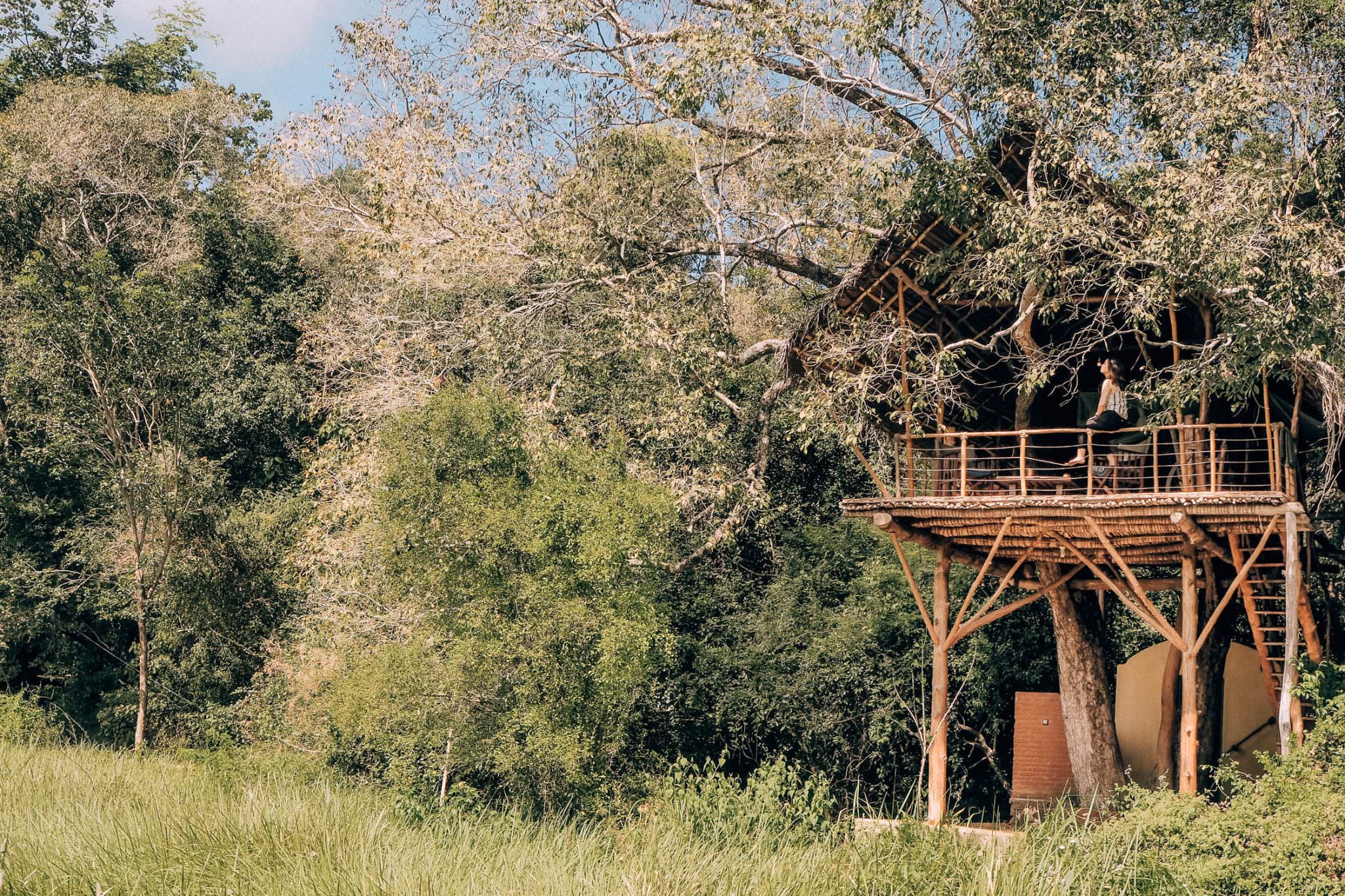




Some journeys change the way you see a place. Others change the way you see yourself. Transformational tours in Sri Lanka are designed to do both — weaving together ancient culture, living ecosystems, contemplative practices, and everyday village rhythms into experiences that stay with travellers long after they have returned home.
Sri Lanka's compact geography is deceptive. Within a single island you can move from ocean-facing wetlands to misty highland tea country, from UNESCO-listed ruins to working paddy fields still farmed with buffalo and hand tools. That density of contrast is precisely what makes the country so well suited to travel with a deeper intention.
What makes a tour "transformational"?
The term is used loosely in travel marketing, so it is worth being precise. A transformational tour goes beyond sightseeing. It places you inside a destination rather than in front of it. That might mean spending a morning with an Ayurvedic practitioner in Kandy, sitting in silence at an ancient stupa at dawn, learning to read a landscape through the eyes of a village farmer, or simply slowing down enough to notice what is actually around you.
Lakpura designs these itineraries around three broad pillars: inner well-being (yoga, meditation, Ayurveda, mindful movement), cultural immersion (living heritage, traditional crafts, local cuisine), and ecological awareness (wildlife, forests, rivers, and the people who protect them).
Which parts of Sri Lanka work best for this kind of travel?
The answer depends on what you are seeking, but several regions consistently anchor transformational itineraries.
- The Cultural Triangle — the ancient cities of Anuradhapura, Polonnaruwa, and the surrounding landscape of temples, tanks, and forest monasteries offer a sense of historical depth that is difficult to find elsewhere in South Asia. Walking these sites slowly, with a knowledgeable guide and no group bus schedule, is a fundamentally different experience from a rushed morning stop.
- Kandy and the Hill Country — the last royal capital of Sri Lanka holds living Buddhist traditions, Kandyan dance, Ayurvedic medicine, and the rhythms of Ceylon tea country. The Esala Perahera Festival, held annually in July or August, is one of the largest Buddhist processions in Asia and a powerful anchor for a culturally focused itinerary.
- Ella and the southern highlands — Ella sits at around 1,000 metres, surrounded by tea estates, cloud-draped ridges, and trails through cardamom forest. The pace here naturally invites reflection. Nearby, Horton Plains National Park protects a rare montane ecosystem where silence is the dominant feature on most mornings.
- The wet-zone rainforest — the Sinharaja Forest Reserve, a UNESCO World Heritage site, is one of the last viable areas of primary tropical rainforest in Sri Lanka. Walking its trails with a naturalist shifts the frame through which you see every other landscape on the trip.
- The southwest coast and wetlands — the Madu Ganga estuary near Balapitiya is a mangrove labyrinth of 64 islands, rich in birdlife and traditional fishing communities. A Madu River Safari here is quiet and intimate in a way that few coastal experiences in Sri Lanka are.
What does a typical transformational itinerary include?
There is no single template, but most itineraries Lakpura builds in this category share certain elements: a deliberate pace (rarely more than one major site per day), accommodation chosen for atmosphere over star count, at least one village or community experience, and guided time in natural settings. Below is an indicative structure for a ten-day journey.
| Days | Region | Anchor Experience |
|---|---|---|
| 1–2 | Colombo / west coast | Arrival, Ayurvedic consultation, coastal wetlands |
| 3–4 | Cultural Triangle | Ancient city exploration, forest monastery visit, village cycle |
| 5–6 | Kandy | Temple rituals, traditional cooking, tea estate walk |
| 7–8 | Hill country / Ella | Highland hiking, meditation, cloud forest trail |
| 9–10 | Southern coast | Turtle conservation, river journey, coastal reflection |
How does wildlife fit into a transformational tour?
Sri Lanka's wildlife encounters are rarely the staged or crowded affairs found in some safari destinations. At Udawalawe National Park, herds of wild elephants move through open grassland in conditions where patient observation — rather than the pursuit of a photograph — becomes its own practice. The Elephant Transit Home adjoining the park rehabilitates orphaned calves with minimal human habituation, and watching the feeding process offers a genuine connection to conservation work rather than a performance.
In the north and northwest, Wilpattu National Park is quieter and less visited than Yala, its labyrinthine villus (natural lakes) creating an atmosphere of stillness that suits the spirit of this kind of travel particularly well.
What role does Ayurveda and yoga play?
Sri Lanka has a documented Ayurvedic tradition stretching back more than two thousand years, and authentic practitioners — as distinct from resort spa menus — are still found in hill-country towns and village communities. A transformational itinerary can be built around a structured Ayurvedic programme of several days or simply include consultations and treatments as touchpoints within a broader journey.
Yoga tours follow a similar logic: rather than confining practice to a hotel studio, itineraries can incorporate morning sessions in locations chosen for their atmosphere — a pavilion overlooking a tank at Polonnaruwa, a tea estate bungalow veranda, or a riverside clearing in the rainforest.
Is this kind of travel suitable for solo travellers?
Solo travellers often find transformational itineraries the most rewarding precisely because the depth of engagement is determined by their own pace and curiosity, not a group schedule. Lakpura's private tour model means every element — driver, guide, accommodation, activities — is arranged exclusively for you, with the flexibility to linger where something resonates and move on when it does not. That said, travellers who prefer structured small-group settings can discuss that option during the planning process.
What is the best time of year for transformational tours in Sri Lanka?
The island's two monsoon systems mean there is no single bad month, but certain seasons favour certain regions. The west and south coasts, the hill country, and the Cultural Triangle are generally driest from December through March. The east coast and far north are better from May through September. A well-designed itinerary threads between these patterns. If your journey is anchored around a cultural event — such as the Esala Perahera in Kandy or Sinhala New Year in April — plan travel dates around that event first, then build the rest of the route outward.
How do I start planning?
Transformational travel works best when the itinerary is built around what you actually want to experience, not a pre-packaged theme. Lakpura's planning process begins with a conversation about your intentions, pace, and interests. From there, a detailed day-by-day proposal is prepared — including accommodation options at multiple price points, a private driver and specialist guides, and any advance bookings (national park permits, cultural events, wellness sessions) that require lead time.
For travellers arriving directly after a long-haul flight, our transfer service from Bandaranaike International Airport makes the transition seamless, so the tone of the trip is set from the first hour on the ground.
Related reading
6 pages on closely related subjects.