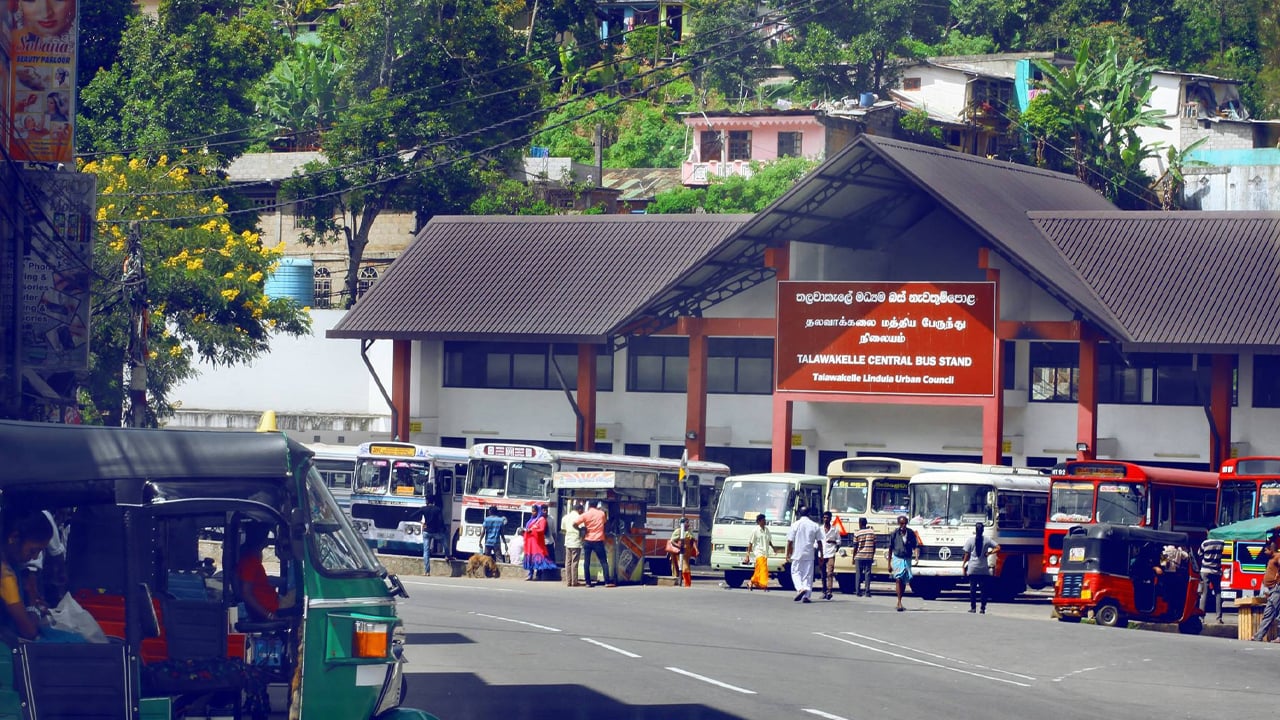

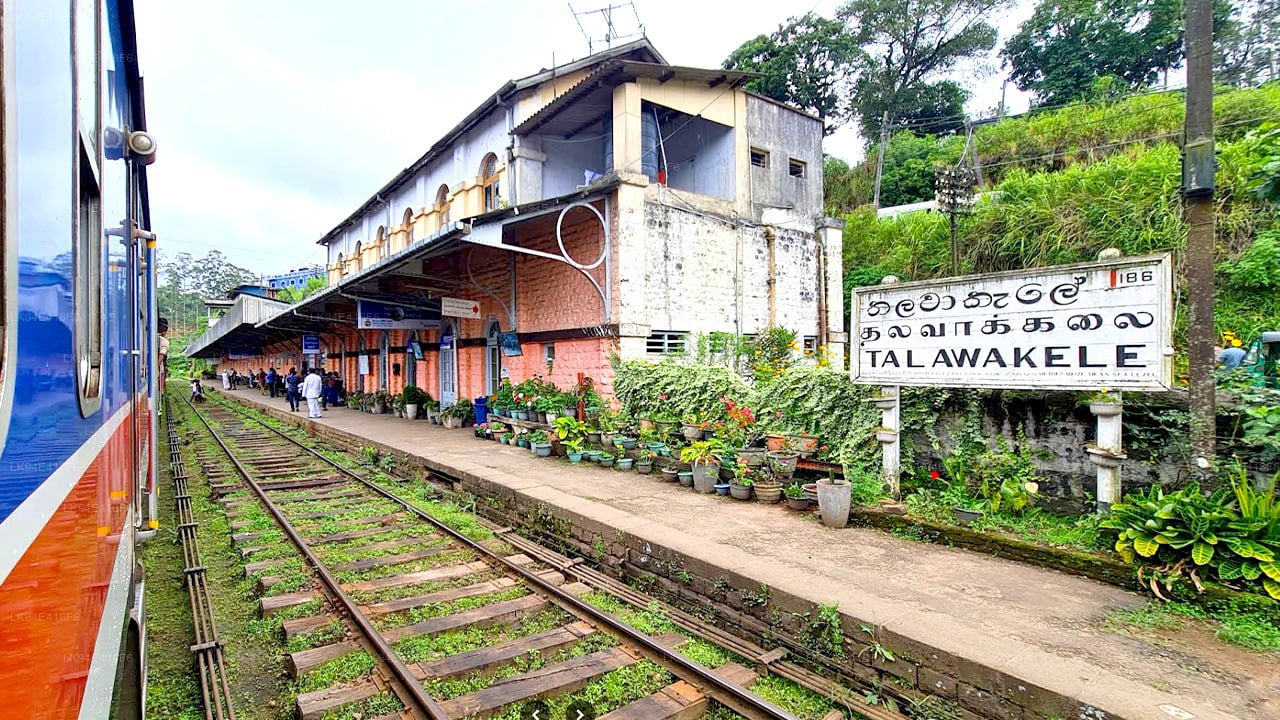
Sitting at an altitude of around 1,198 metres in the Nuwara Eliya District, Talawakelle is a compact hill-country town that punches well above its size. It sits squarely at the centre of the Dimbula tea-planting district — widely regarded as the largest tea-growing area in Sri Lanka — and it has built a quiet reputation as a staging point for some of the Central Province's most rewarding natural scenery. The A7 Colombo–Nuwara Eliya highway passes through the town, and Talawakelle railway station is one of the principal stops on the historic Udarata (Hill Country) Main Line, making the town surprisingly easy to reach from either Colombo or Kandy.
What is Talawakelle known for?
Talawakelle is primarily known as the administrative and commercial heart of the Dimbula tea region. The surrounding hillsides are carpeted in tea estates whose elevations produce a light, brisk liquor prized by blenders worldwide. Beyond the tea industry, the town serves as the most convenient base for visiting Devon Falls and St. Clair's Falls — two of the most photographed waterfalls in Sri Lanka — as well as the Mlesna Tea Castle, a notable roadside landmark on the A7.
The town itself is governed by the Talawakelle–Lindula Urban Council, a merger that reflects how closely the two adjoining settlements function as a single community.
How do I get to Talawakelle from Colombo?
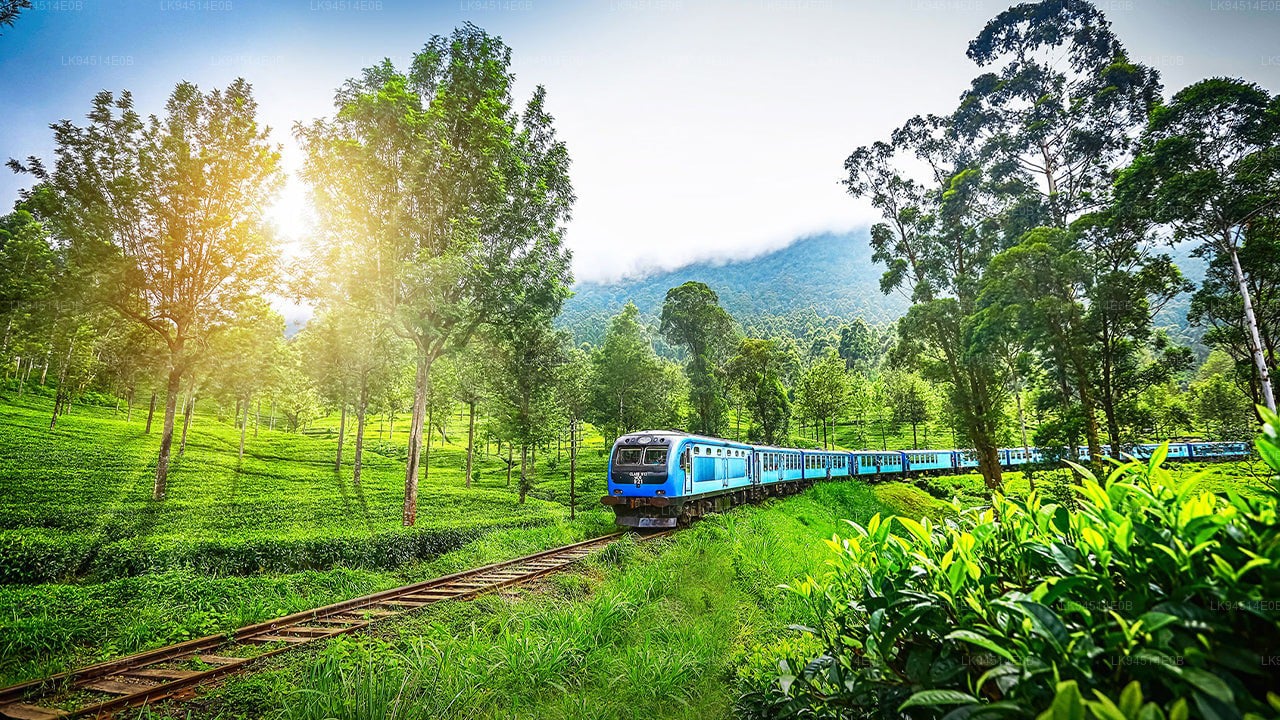
The most scenic option is the train. Talawakelle railway station sits on the Main Line, and services from Colombo Fort via Kandy reach the town in roughly five to six hours depending on the service. The views along the final stretch through the tea country are widely considered among the finest rail journeys in Asia.
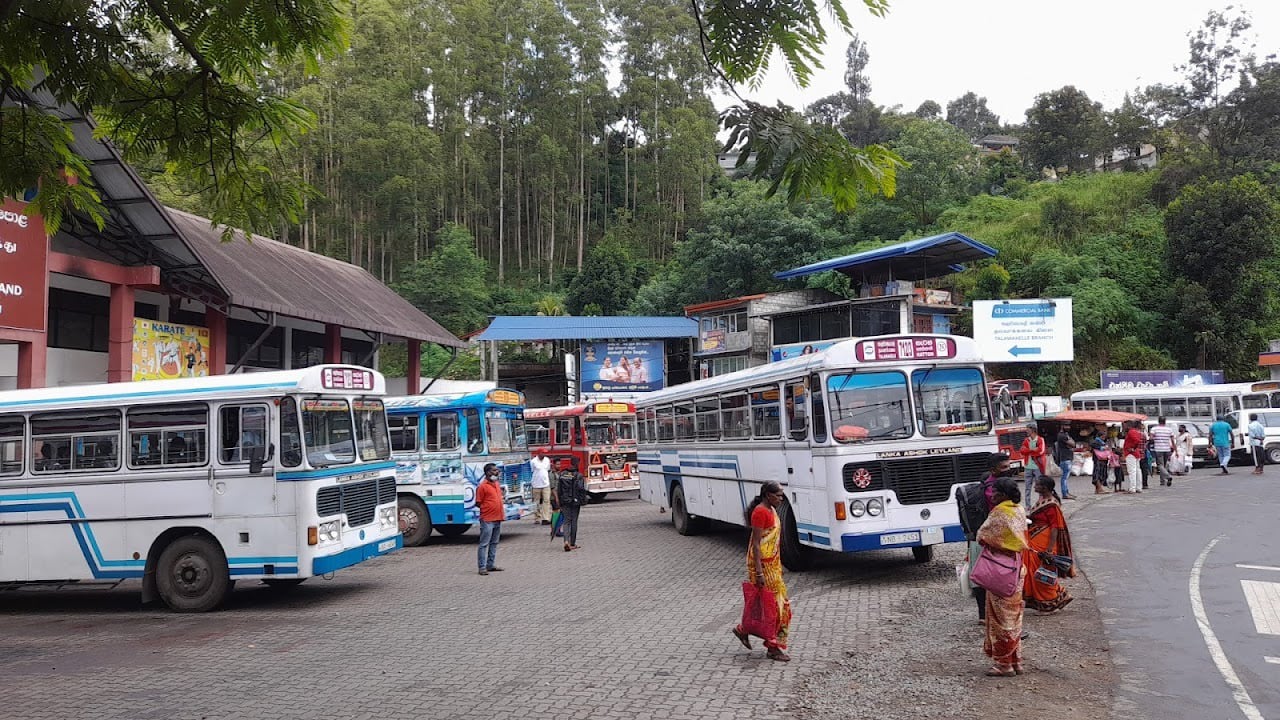
By road, Talawakelle is accessible via the A7 from Colombo through Kandy and Gampola, a drive of approximately four to five hours under typical conditions. Buses operate frequently between Kandy, Hatton, and Talawakelle. If you are already in the hill country, the town is around 20 km from Hatton and roughly 30 km from Nuwara Eliya.
What is the best time to visit Talawakelle?
The Central Province experiences two main rainfall seasons tied to the southwest and northeast monsoons. The driest and most comfortable period for visiting Talawakelle typically falls between January and April, when skies are clearer and the waterfalls are flowing well from earlier rains without being dangerously swollen. July and August bring the southwest monsoon, which delivers heavy rain but also lends the valleys a deep green intensity that photographers find rewarding. Morning visits to the falls are generally preferred, as cloud cover tends to build during the afternoon.
What can I see near Devon Falls?
Devon Falls is named after an early British coffee planter, Mr. Devon, whose estates once occupied the surrounding hillsides. Today the cascade drops through lush tea-plantation country a short distance from the main Talawakelle–Hatton road. A partial view is possible from the highway itself, but a fuller perspective requires stopping near the 20th milepost and walking roughly one kilometre through the tea gardens to reach the base.
- The viewpoint directly in front of the Mlesna Tea Castle offers a comfortable vantage point without any walking.
- The path through the plantations is generally straightforward, though it can be slippery after rain — wear closed shoes.
- Swimming near the base of the fall is not advisable; the current is stronger than it appears and the rocks are uneven.
What makes St. Clair's Falls unique?
St. Clair's Falls — sometimes called the "Little Niagara of Sri Lanka" — is one of the widest waterfalls in the country. The cascade is approximately 80 metres in height and around 50 metres wide, running over a stepped rock ridge before splitting into two distinct falls known locally as Maha Ella (the main fall) and Kuda Ella (the smaller fall). Both descend into a broad pool set within the Kotmale River valley.
The falls take their name from the Saint Clair Tea Estate through which the Kotmale River flows at this point. Their location along the Hatton–Talawakelle highway means they are roadside-accessible, making them one of the more effortless waterfall stops in the hill country. St. Clair's is listed among the 20 highest waterfalls in Sri Lanka, though it is the breadth and the layered double-drop character of the cascade that tends to impress visitors most.
What is the Mlesna Tea Castle?
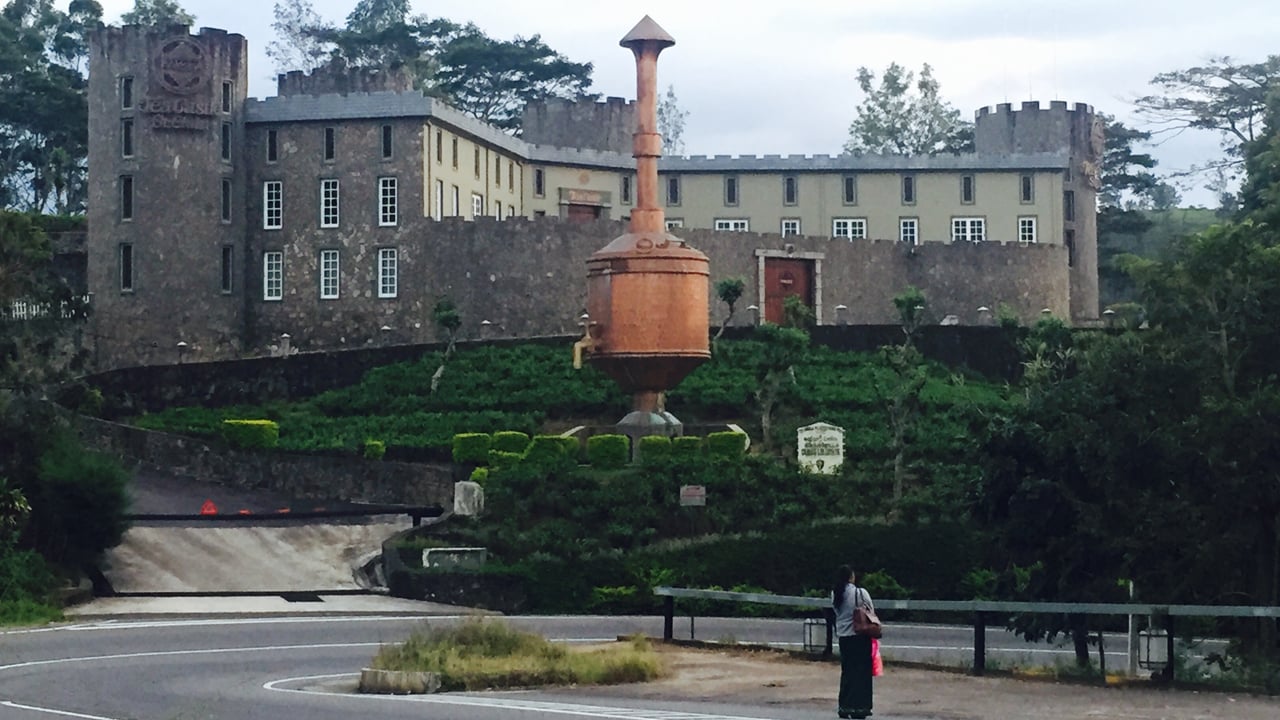
The Mlesna Tea Castle St. Claire stands on the A7 highway between Talawakelle and Nuwara Eliya, set against a backdrop of rolling tea estates. The building is large by any standard and houses what Mlesna describes as the world's largest tea shop — a retail floor carrying an extensive range of single-estate and blended teas packaged in the brand's decorative caddies and gift boxes.
Alongside the retail space there is a café serving light meals and snacks, several of which incorporate tea as a flavour or garnish — a format that works better than it sounds. A small play area makes the stop practical for families. Even visitors who do not intend to purchase tea often pause here for the panoramic view of the surrounding valleys and the accessible viewpoint toward Devon Falls.
Are there other things to do around Talawakelle?
The town's position in the Dimbula tea belt means that plantation walks are possible in almost any direction. Some estates welcome visitors for informal tours, where you can observe the plucking and withering process during harvest periods. The highland terrain also offers routes for leisure cycling and birdwatching; the montane forests of the Central Province support a range of endemic species including the Sri Lanka white-eye and the dull-blue flycatcher.
- Hatton — approximately 20 km south-west — is the nearest large town and a hub for onward journeys to Adam's Peak (Sri Pada) during the pilgrimage season (December to May).
- Nuwara Eliya — around 30 km north-east — is the hill station most commonly associated with colonial-era tea culture and is a natural extension of any visit to the Talawakelle area.
- Kotagala, a few kilometres toward Hatton, has several factory viewpoints accessible with prior arrangement.
Where should I stay when visiting Talawakelle?
Talawakelle has a modest range of guesthouses and small hotels suited to independent travellers. Visitors seeking more comfort often base themselves in Nuwara Eliya or Hatton and make day trips. Estate bungalows — colonial-era planters' residences converted into boutique accommodation — are scattered across the Dimbula district and offer an immersive alternative for those who want to wake up inside a working tea estate. Booking in advance is advisable during the peak season of January to April and around the Sinhala and Tamil New Year period in mid-April.