Kotagala Railway Station sits quietly in the Nuwara Eliya District, wrapped on all sides by tea-covered hillsides and the cool, mist-prone air of Sri Lanka's central highlands. As a stop on the Main Line connecting Colombo Fort to Badulla, it occupies a stretch of track that many travellers consider one of the most rewarding train journeys in Asia. The station itself is modest and unhurried — exactly the kind of place that makes the hill country railway route worth riding slowly.
What is the history behind Kotagala Railway Station?
The station was established during the British colonial period, when the Ceylon Government Railway extended its Main Line into the highlands to serve the expanding tea industry. The architecture reflects the practical, no-frills building style the British applied across their Ceylon railway network — pitched roofs, open-sided platforms, and solid masonry — much of which survives in recognisable form today.
Tea was, and remains, the economic engine that explains the station's existence. Estates surrounding Kotagala produced Ceylon Tea destined for auction houses in Colombo and from there to world markets. The railway was the only practical way to move large volumes of made tea down from the hills, and Kotagala station was a small but essential node in that chain.
What does the train journey through Kotagala look like?
Trains approaching Kotagala from Colombo have already climbed steeply through Kandy, Peradeniya, and Hatton, gaining several thousand feet of altitude. By the time they reach this stretch of track, passengers are rewarded with panoramic views across tea estates, valley mist, and the rolling profile of the central highlands. The line here follows contour curves that slow the train to a gentle pace — which, for anyone sitting at a window, is an advantage rather than an inconvenience.
Continuing east toward Ella and ultimately Badulla, the line passes through some of the most photographed rail scenery in Sri Lanka. Kotagala therefore sits at a useful midpoint, giving travellers a natural pause before the line descends toward the dramatic Demodara loop and the canyon country around Ella.
How do I get to Kotagala Railway Station from Colombo?
The most direct route is by train from Colombo Fort Station. Intercity and express services on the Main Line stop at Kotagala, though journey times vary depending on the specific service and the number of stops. The trip typically takes between five and six hours from Colombo. Seats in the observation car or first-class carriages should be booked in advance, particularly on weekends and during the high season between December and April.
Travellers arriving by road can reach Kotagala from Kandy via the A7 highway through Hatton, a drive of roughly two hours under normal conditions. Private transfers are available if you prefer a door-to-door arrangement without timetable constraints.
What can visitors do near Kotagala?
The immediate area around Kotagala is tea country in every direction. Walking among the estate rows, watching the picking process, and visiting a factory to see how green leaf becomes the finished product are experiences that require no itinerary beyond simply asking at your accommodation. Bluefield Tea Gardens, within reach of the Kotagala area, offers a structured estate visit for those who want guided interpretation.
- Tea estate walks: Most estates welcome independent walkers on their perimeter roads in the early morning, when pickers are active and the light is clearest.
- Horton Plains: Horton Plains National Park, home to World's End and Baker's Falls, is reachable in roughly an hour from Kotagala, making it a natural day excursion.
- Cool climate and cloud forest: The cloud forest ecology of the central highlands means the vegetation shifts noticeably as altitude changes — a detail that botanists and casual walkers alike find compelling.
- Local markets: Kotagala town's small market offers produce, spices, and a window into the daily rhythms of an estate-dependent community.
What is the role of the station in the local community?
For the families who live and work on the surrounding estates, Kotagala station is a practical lifeline. It connects students commuting to schools in Hatton or Kandy, workers travelling to urban centres, and small traders moving goods to larger markets. The informal activity on the platform — vendors selling short eats, families greeting arrivals — gives the station a social character that larger, more touristed stops have often lost.
Agricultural freight, including tea and spices such as Ceylon black pepper grown in parts of the highlands, historically moved through stations like Kotagala on their way to processing and export. While road freight has taken over much of that volume, the railway's role as a community connector remains essentially unchanged.
What is the best time to visit Kotagala by train?
The central highlands have two distinct seasons shaped by the southwest and northeast monsoons. The driest and clearest months for the Nuwara Eliya District generally run from January to March and again from July to September, though the hills can receive rain at almost any time of year. Early morning departures from Colombo typically arrive in the highlands before the afternoon cloud builds, giving the best chance of clear views across the estates.
Avoiding public holidays and the April new-year period is advisable if you want an uncrowded carriage. Booking observation-car seats on the Podi Menike or Udarata Menike intercity services well in advance is strongly recommended during peak travel windows.
Is Kotagala Railway Station worth a dedicated visit?
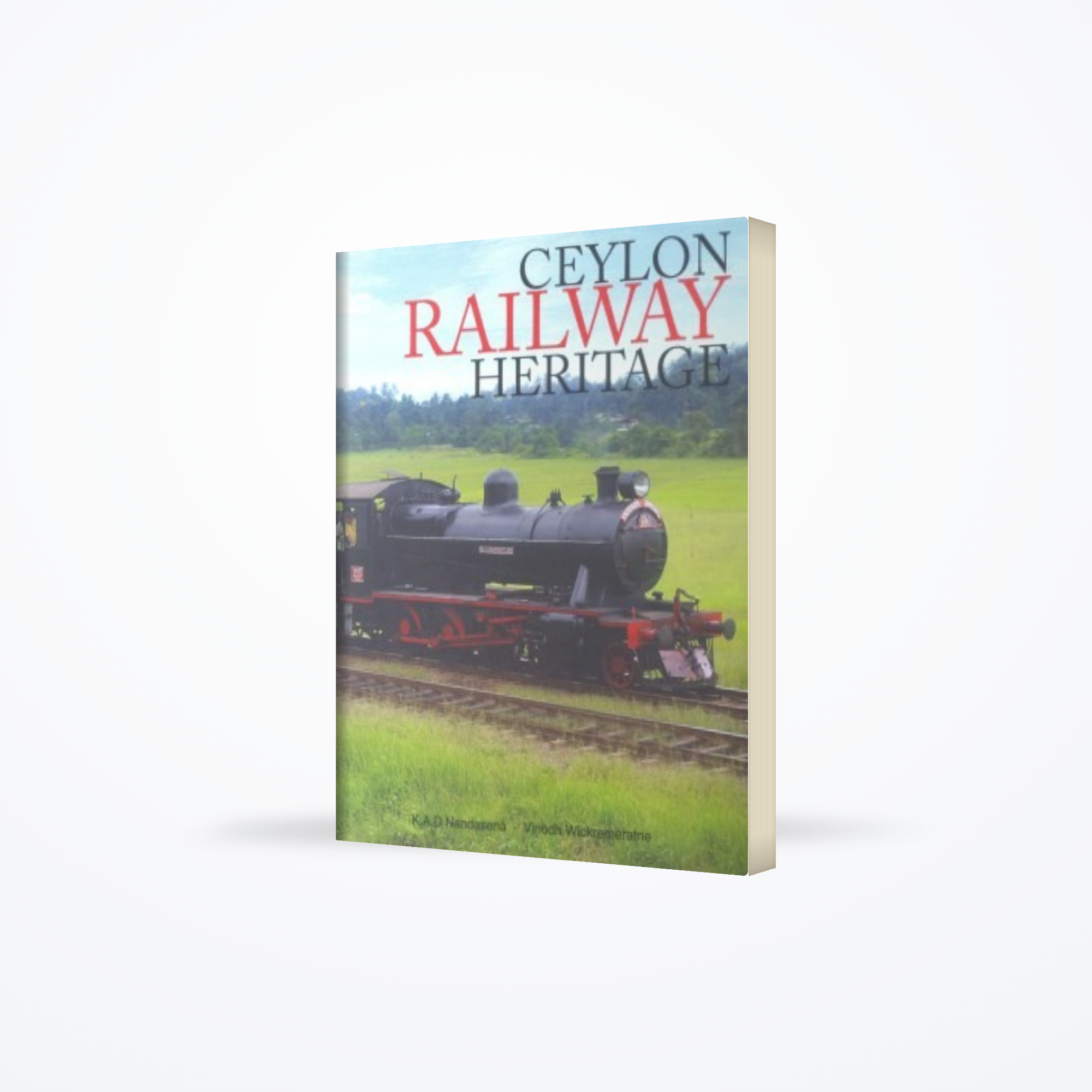
The station is not, by itself, a destination in the way that Ella or Kandy are. Its value is best understood as part of a journey rather than a terminus. Riding the Main Line and pausing at Kotagala — whether to disembark and spend a night in the area or simply to observe the platform life before continuing — adds texture and authenticity to a hill country itinerary that a faster mode of travel would erase entirely. For anyone seriously interested in Sri Lanka's railway heritage, a copy of Ceylon Railway Heritage makes a useful companion read before the journey.
Kotagala railway station timetable
15 trains call at Kotagala on a typical day.
Main Line · 180.0 km from Colombo Fort · Central Province
Station telephone: 051-2244271
| Departs | Towards | Train | Runs |
|---|---|---|---|
| 01:00 am | Badulla | Daily | |
| 02:35 am | Badulla | Night Mail | Daily |
| 04:48 am | Kandy | Daily | |
| 07:05 am | Colombo Fort | Daily | |
| 07:32 am | Badulla | Daily | |
| 10:14 am | Colombo Fort | Udarata Menike | Daily |
| 11:53 am | Badulla | Denuwara Menike | Daily |
| 01:01 pm | Colombo Fort | Daily | |
| 01:32 pm | Badulla | Podi Menike | Daily |
| 03:00 pm | Colombo Fort | Podi Menike | Daily |
| 03:01 pm | Badulla | Udarata Menike | Daily |
| 04:40 pm | Nanuoya | Daily | |
| 05:22 pm | Kandy | Daily | |
| 08:17 pm | Nanuoya | Daily | |
| 11:21 pm | Colombo Fort | Night Mail | Daily |
Timetable mirrored from published Sri Lanka Railways schedules, last checked 2026-09-14. Times can change without notice — confirm with the railway before travelling. See the whole network on the Sri Lanka railway station list.
Nearby places
9 places within about 25 km, nearest first.
- Weddemulle Estateunder 1 km
- High Forest Estate3 km
- Holyrood Estate3 km
- Dessford Estate4 km
- Ihalawatawala railway station4 km
- St Clairs Falls4 km
- Talawakele Railway Station4 km
- Talawakelle City4 km
- Beach Holidays6 km
Related reading
1 pages on closely related subjects.