Sela Cetiya is one of the lesser-celebrated yet historically compelling stupas within the ancient city of Anuradhapura, Sri Lanka's first great capital and a UNESCO World Heritage Site. Rising in the traditional dome form that defines early Sri Lankan Buddhist architecture, the stupa carries layers of royal patronage, religious resilience, and architectural craft that reward visitors who look beyond the more famous dagobas nearby.
What is the history behind Sela Cetiya?
The stupa is traditionally associated with King Valagamba (also known as Vattagamini Abhaya), who ruled in the first century BCE. His reign was interrupted by a South Indian invasion that drove him into exile for roughly fourteen years. On regaining the throne, Valagamba undertook an extensive programme of restoration and construction across Anuradhapura's sacred precinct — Sela Cetiya is regarded as part of that effort to reassert both political authority and Buddhist devotion after a period of upheaval.
The name Sela relates to rock or stone in Pali, hinting at either the material used or the character of the site itself. Like most stupas of this period, it would have housed a central relic chamber — a feature central to Buddhist veneration, where sacred objects are enshrined to imbue the structure with spiritual power.
What can visitors see at Sela Cetiya today?
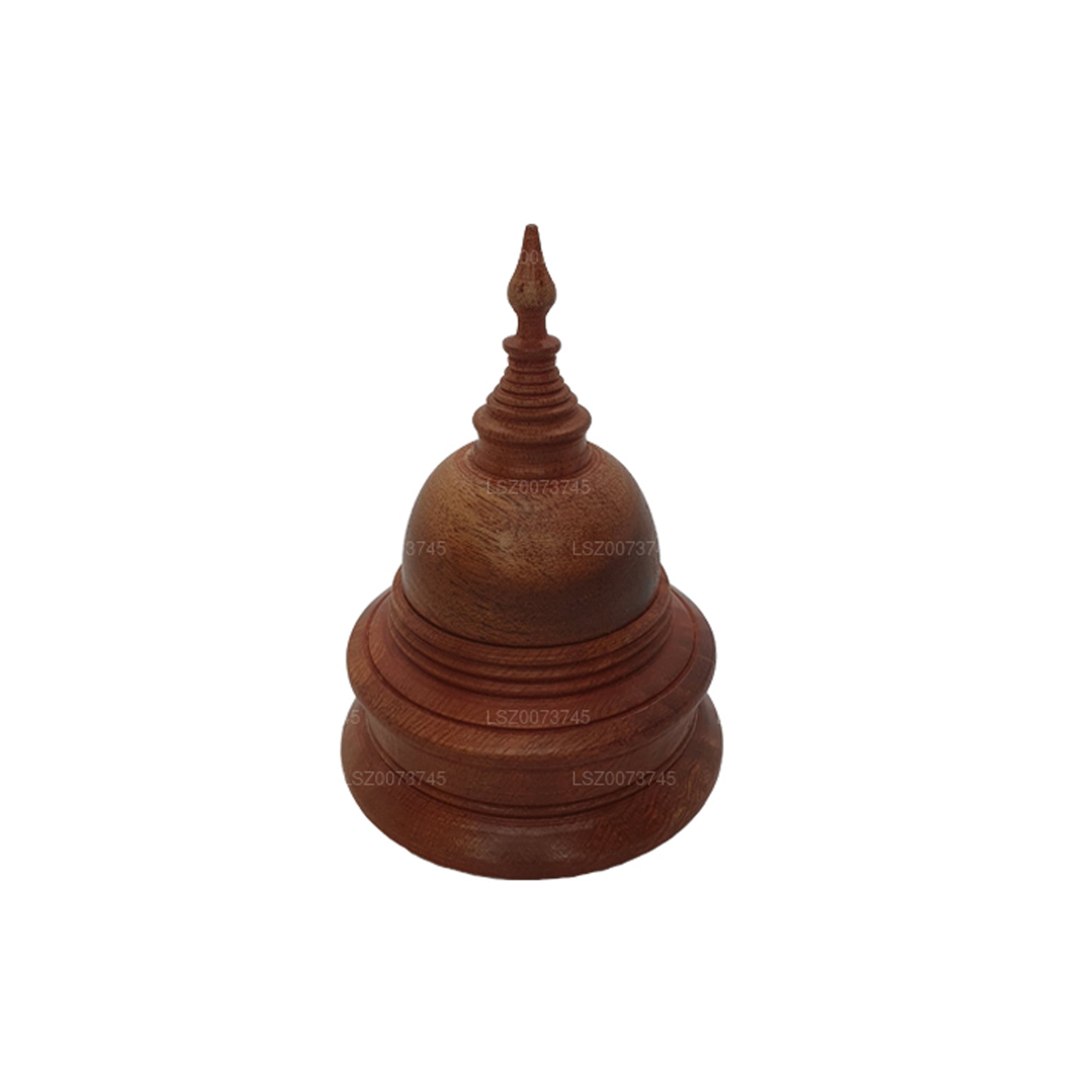
The stupa itself stands in the characteristic anda (bubble) form, a hemispherical dome rising on a circular terrace platform. Surrounding the main structure are the remnants of subsidiary shrines, stone paving, and fragments of monastic buildings that once supported a resident sangha (community of monks). Stone carvings — including decorative elements and guardstone motifs typical of Anuradhapura-period craftsmanship — are visible along pathways leading to the stupa.
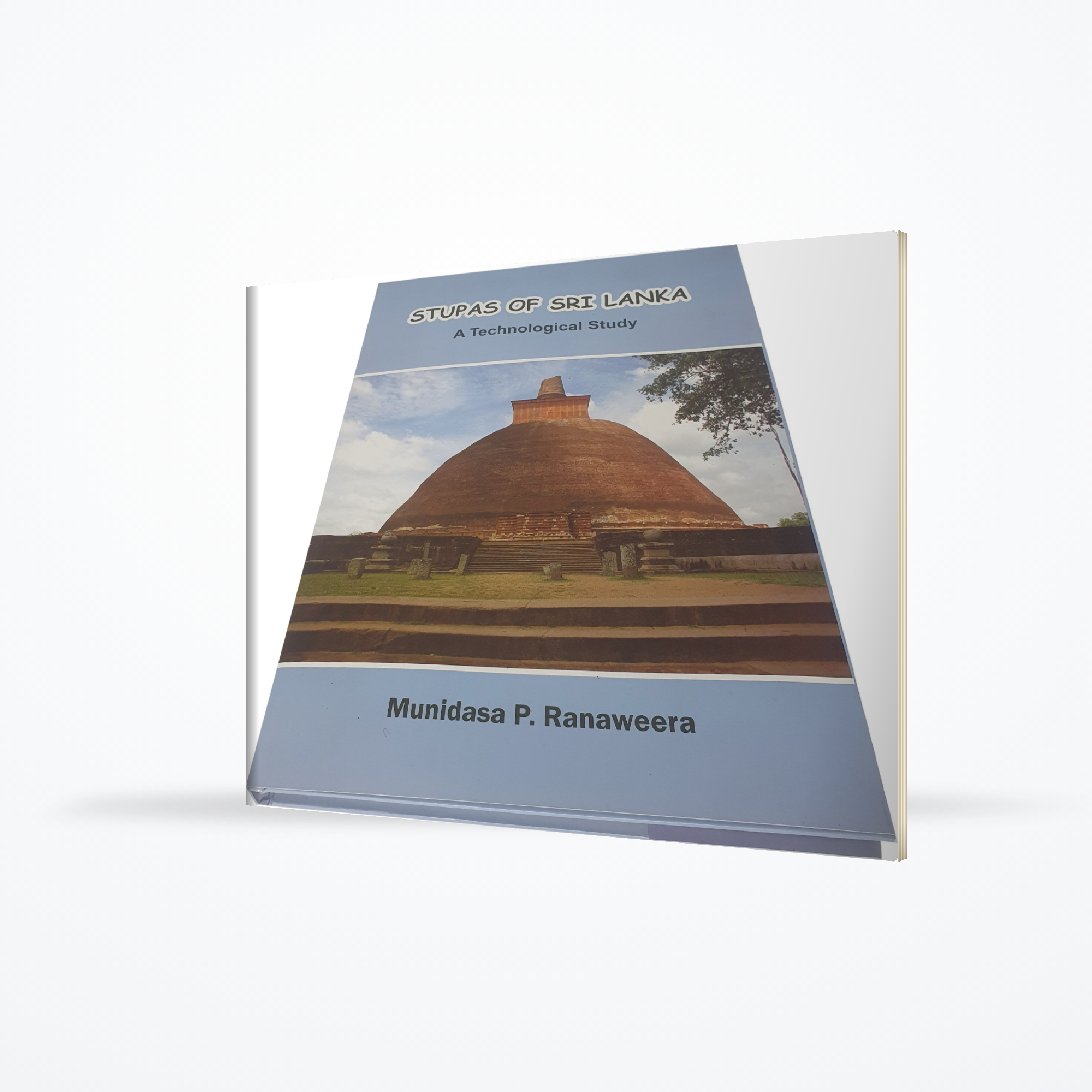
The broader setting reinforces the atmosphere of contemplative withdrawal. Unlike the intensely visited Ruwanwelisaya or Jetavanaramaya, Sela Cetiya tends to attract a quieter mix of pilgrims and historically curious visitors, making it a particularly good place for unhurried reflection. For those interested in a wider overview of Sri Lanka's stupa tradition, the Stupas of Sri Lanka guide provides useful architectural and historical context.
How does Sela Cetiya fit into the Anuradhapura sacred precinct?
Anuradhapura's sacred city covers a large area, and Sela Cetiya sits within a landscape dense with dagobas, image houses, and the ruins of vast monastic complexes. Visiting it as part of a broader Anuradhapura itinerary — rather than as a standalone stop — gives the most coherent sense of how Buddhist institutions were organised spatially in ancient Sri Lanka. The proximity to other well-documented structures allows visitors to trace changes in construction technique and religious iconography across several centuries.
Anuradhapura is connected to the wider Polonnaruwa ancient city by road, and combining both sites in a two-day itinerary through the Cultural Triangle is one of the most rewarding ways to experience Sri Lanka's early medieval heritage.
When is the best time to visit Sela Cetiya?
Anuradhapura's dry season runs broadly from December to April, when the North Central Province receives minimal rainfall and daytime temperatures are warm but manageable in the early morning and late afternoon. Visiting during these hours avoids the intensity of midday heat and produces better light for appreciating the stupa's stonework. The site can become busier around Poya (full-moon) days, which are significant occasions in the Sri Lankan Buddhist calendar — visiting on these days offers a glimpse of active religious practice, though expect larger crowds of pilgrims.
How do I get to Sela Cetiya from Colombo?
Anuradhapura is around 200 km north of Colombo. The most comfortable option for visitors on a flexible itinerary is a private vehicle, which allows stops at other sites along the route and gives freedom once in the city. Intercity trains connect Colombo Fort to Anuradhapura in roughly four to five hours, and express buses also cover the route. Within Anuradhapura, tuk-tuks and bicycle hire are practical ways to move between the scattered sites of the sacred precinct. Most accommodation clusters around the New Town, a short ride from the archaeological zone.
What should I know before visiting?
- Remove shoes before entering the immediate stupa precinct, as is customary at all Buddhist religious sites in Sri Lanka.
- Dress modestly — shoulders and knees should be covered. Sarongs are sometimes available to borrow at larger sites but it is better to come prepared.
- Photography is generally permitted in the outer precincts; be discreet around worshippers engaged in prayer or meditation.
- The Anuradhapura Archaeological Museum, located nearby, provides useful context on the objects and structures found across the sacred city.
- Tickets for the Anuradhapura Cultural Triangle site are required for foreign visitors; the ticket covers multiple sites within the zone.
Is Sela Cetiya suitable for pilgrims as well as tourists?
Yes. The site functions as an active place of Buddhist worship, not merely an archaeological monument. Sri Lankan pilgrims visit to observe sil (precepts), offer flowers, light oil lamps, and engage in circumambulation (pradakshina) of the stupa. Visitors of all backgrounds are welcome, provided they approach the space with appropriate respect. The peaceful character of the site — quieter than the most popular dagobas — makes it well suited to those who want to experience devotional Buddhism as it is practised today rather than simply observed through an archaeological lens.
Nearby places
10 places within about 25 km, nearest first.
- Basawakkulama Wewaunder 1 km
- Royal Family Carvingunder 1 km
- Isurumuni Loversunder 1 km
- Vessagiriyaunder 1 km
- Isurumuniyaunder 1 km
- Elephant Pond Carvingunder 1 km
- Stupasunder 1 km
- Ranmasu Uyanaunder 1 km
- Sadagiri Maha Seya Stupaunder 1 km
- Western Monasteries6 km