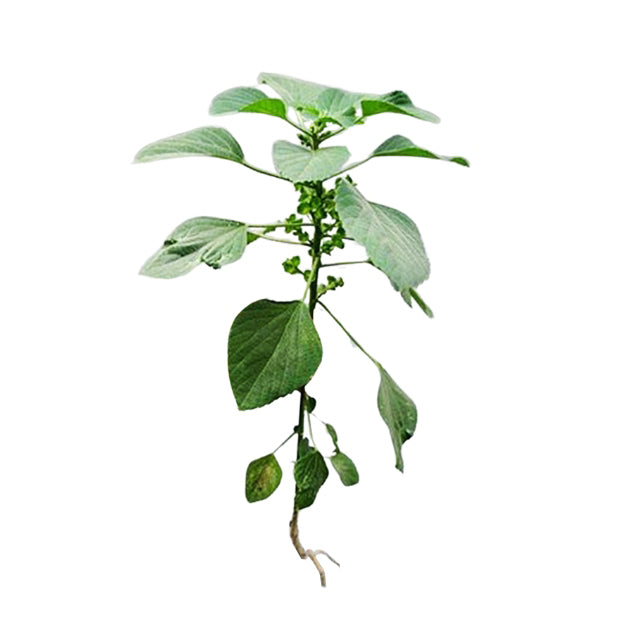




Quassia indica is a lesser-known yet historically significant plant within the Ayurvedic pharmacopoeia of Sri Lanka. Belonging to the family Simaroubaceae, it has been used for centuries in traditional South Asian medicine for its bitter compounds, which are collectively known as quassinoids. These bioactive constituents give the plant its characteristic intensely bitter taste and underpin many of its documented medicinal applications.
What is Quassia indica?
Quassia indica is a small to medium-sized tree or shrub native to parts of South and Southeast Asia, including Sri Lanka, India, and Malaysia. In Sri Lanka it is sometimes referred to by local names in Sinhala-speaking communities, and it grows in tropical lowland forests as well as in semi-cultivated home gardens where traditional medicinal plants are maintained alongside food crops.
The plant belongs to the same family as the better-known Quassia amara of the Americas, and both share the bitter quassinoid chemistry that has long attracted the attention of herbalists, physicians practicing Ayurveda, and modern pharmacologists alike.
What are the traditional medicinal uses of Quassia indica?
In classical Ayurvedic practice, bitter plants like Quassia indica are valued primarily for their action on digestion, fever, and parasitic conditions. The bark and heartwood of the plant are the parts most commonly used in preparations. Traditional applications include:
- Formulations for digestive disorders, including loss of appetite and sluggish digestion
- Febrifuge preparations intended to reduce fever, particularly in cases attributed to malarial-type conditions in historical texts
- Remedies for intestinal worms and other parasitic complaints
- Topical applications for skin conditions, drawing on the plant's reputed antimicrobial properties
In Sri Lankan folk medicine, decoctions made from the bark are sometimes used to support liver function, a use that aligns with Ayurvedic concepts of "pitta" regulation through bitter tasting herbs. It is important to note that these are traditional applications; anyone considering medicinal use should consult a qualified Ayurvedic physician.
What does Quassia indica look like?
The tree typically grows to a moderate height, with pinnate leaves arranged along woody branches. Small flowers appear in clusters and are generally pale or whitish in colour. The bark tends to be pale to grayish and is notably bitter to taste even in small quantities — a characteristic used historically as a quick field identification test by traditional healers.
In Sri Lanka, the plant is more commonly found in the lowland wet zone and in the transitional forests of the intermediate zone, though it can be encountered in home medicinal gardens across the island where families maintain a living collection of useful plants, a practice deeply embedded in rural Sri Lankan culture.
How does Quassia indica fit into Sri Lanka's Ayurvedic tradition?
Sri Lanka has one of the world's oldest continuously practiced Ayurvedic traditions, with documented use of native plant species spanning over two millennia. The island's remarkable biodiversity — concentrated in areas such as the Sinharaja Forest Reserve — has provided generations of traditional physicians, known as vedamahattayas, with a rich pharmacopoeia of medicinal plants.
Quassia indica sits within a broader category of bitter medicinal plants that Ayurvedic texts classify as having "tikta" (bitter) rasa, a taste associated with cleansing, antipyretic, and antiparasitic actions. It is catalogued alongside other important Sri Lankan medicinal species including Acacia chundra and Pongamia pinnata, both of which have established roles in traditional formulations.
The Government of Sri Lanka formally recognises and supports Ayurvedic medicine through the Ministry of Indigenous Medicine, and several university faculties conduct ongoing research into the pharmacological basis of plants like Quassia indica.
Is there scientific research supporting the uses of Quassia indica?
Modern pharmacological research has investigated quassinoids — the bitter compounds found across the Quassia genus — for a range of biological activities. Studies published in peer-reviewed journals have documented antimalarial, insecticidal, cytotoxic, and anti-inflammatory activities in various quassinoid compounds. Research specifically on Quassia indica has examined its potential as a natural insecticide and antimicrobial agent.
It is worth noting that laboratory findings do not automatically translate into safe or effective clinical treatments; formal clinical trials are the standard by which therapeutic claims are established. That said, the convergence of traditional use and preliminary pharmacological data makes Quassia indica a subject of genuine scientific interest.
Where can you learn more about Ayurvedic plants in Sri Lanka?
Visitors to Sri Lanka with an interest in traditional medicine can explore several dedicated Ayurvedic institutions and botanical gardens around the country. Herbal gardens associated with Ayurvedic hospitals, particularly in the Kandy and Gampaha districts, maintain living collections of medicinal plants and sometimes offer guided tours. The Royal Botanical Gardens at Peradeniya, near Kandy, also maintains collections of ethnobotanically significant species.
For travellers interested in the broader natural heritage of Sri Lanka — including its forests where many medicinal plants grow wild — the country's network of protected areas and biosphere reserves provides a compelling context. Areas such as the Makandawa Rainforest protect the kind of humid lowland habitat in which plants like Quassia indica are naturally found.
Sri Lanka's traditional knowledge of medicinal plants is also increasingly being documented and preserved through academic and governmental initiatives, recognising that this heritage is as much a part of the island's identity as its ancient monuments or its renowned Ceylon Tea.
Conservation and sustainable use
As demand for natural plant-based remedies grows globally, wild populations of many traditional medicinal plants face pressure from over-collection. Responsible cultivation in home gardens and small-scale farms is encouraged as a way to meet demand without depleting wild populations. In Sri Lanka, several NGOs and government programmes support the cultivation of threatened medicinal species and the documentation of traditional knowledge associated with them.
Quassia indica, while not currently listed among Sri Lanka's most critically threatened species, benefits from the broader movement toward sustainable herbal cultivation — a practice that aligns well with the country's longstanding traditions of smallholder agriculture and biodiversity stewardship.
Other species in this genus
1 more, sharing the same genus.