Oxystelma esculentum is a slender twining vine in the milkweed family (historically placed in Asclepiadaceae, now treated within Apocynaceae). In Sri Lanka it is known by the Sinhala name Heen madahangu and carries the English common name rosy milkweed vine. The species is native to the island.
What does Oxystelma esculentum look like?
This is a twining plant, climbing by wrapping its stems around adjacent vegetation rather than through tendrils, a common growth habit among milkweed-family vines. The leaf blades are 3 to 10 cm long and 0.3 to 1.5 cm wide, rounded at the base and tapering to a very acute point at the tip. Flower stalks (peduncles) are shorter than, or nearly as long as, the leaves.
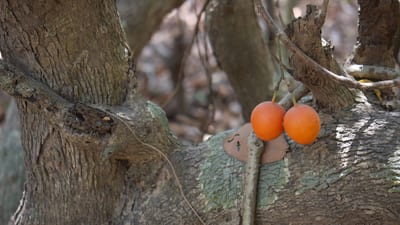
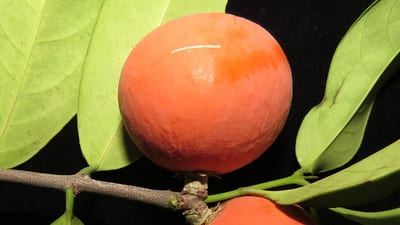
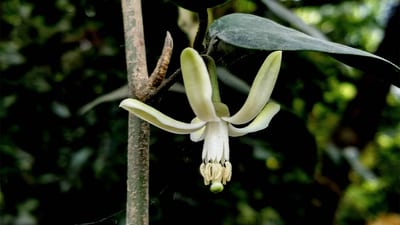
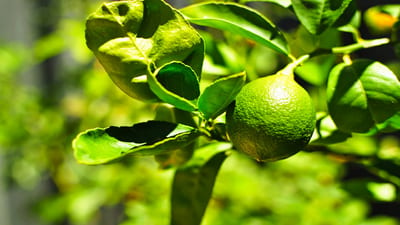
The calyx lobes are small, 2 to 3.5 mm long, and hairless (glabrous). The corolla spans 2 to 3 cm across, with lobes that are densely fringed with fine hairs along their edges (ciliate), a detail that likely gives the flower its soft, rosy appearance in life. Like many milkweed relatives, the plant produces paired follicle-like fruits known as merocarps, which in this species reach 6 to 7 cm in length and up to 2 cm in diameter, and are smooth and hairless.
Where does it grow?
Oxystelma esculentum is native to Sri Lanka. Milkweed-vine species in this genus are generally found across tropical and subtropical regions of Asia and Africa, often scrambling over shrubs in open or disturbed ground, though the specific habitats favoured by this plant on the island are not part of this record.
What is it called in Sinhala?
The Sinhala name recorded for this species is Heen madahangu.
Is it edible?
No edible parts are recorded for this species. It should not be eaten.
Recorded facts at a glance
| Attribute | Detail |
|---|---|
| Scientific name | Oxystelma esculentum |
| Family | Asclepiadaceae |
| English name | Rosy milkweed vine |
| Sinhala name | Heen madahangu |
| Status in Sri Lanka | Native |
| Edible parts | None |
| Growth form | Twiner |
| Leaf blade | 3–10 cm long, 0.3–1.5 cm wide; base rounded, apex very acute |
| Peduncle | Shorter than or almost as long as the leaves |
| Calyx lobes | 2–3.5 mm long, glabrous |
| Corolla | 2–3 cm wide; lobes densely ciliate |
| Merocarps (fruit) | 6–7 cm long, up to 2 cm diameter, glabrous |