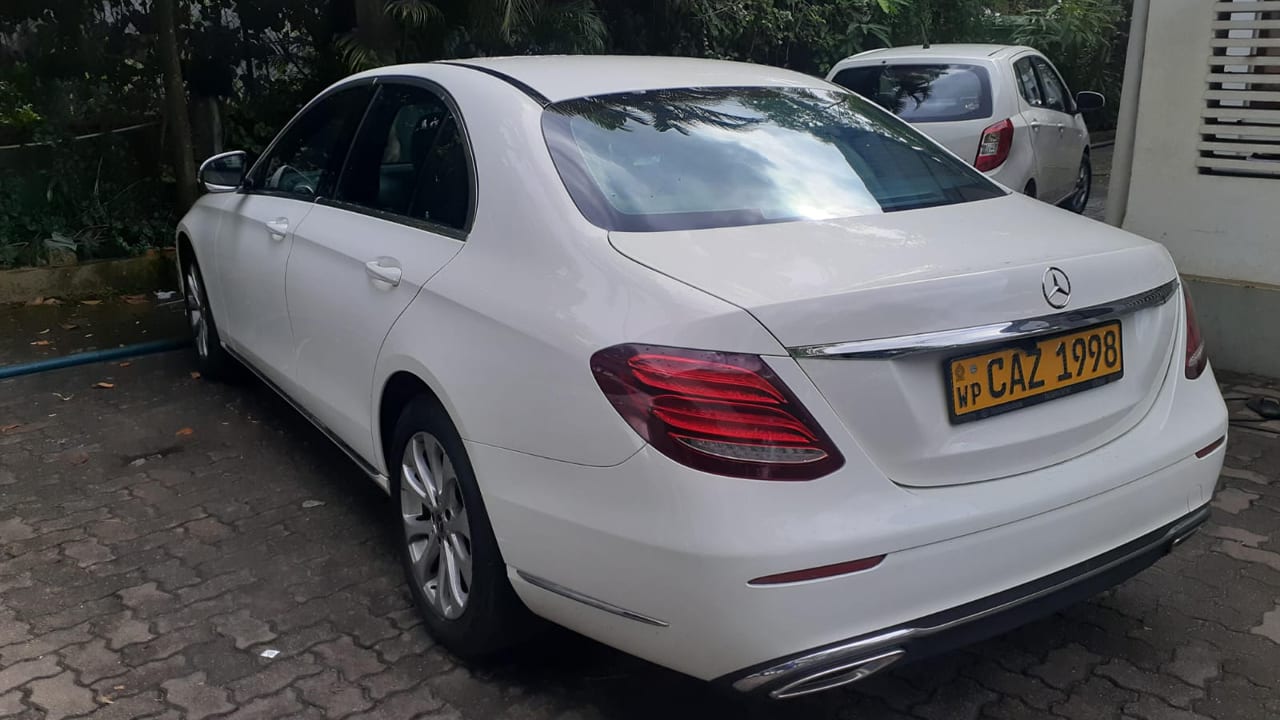
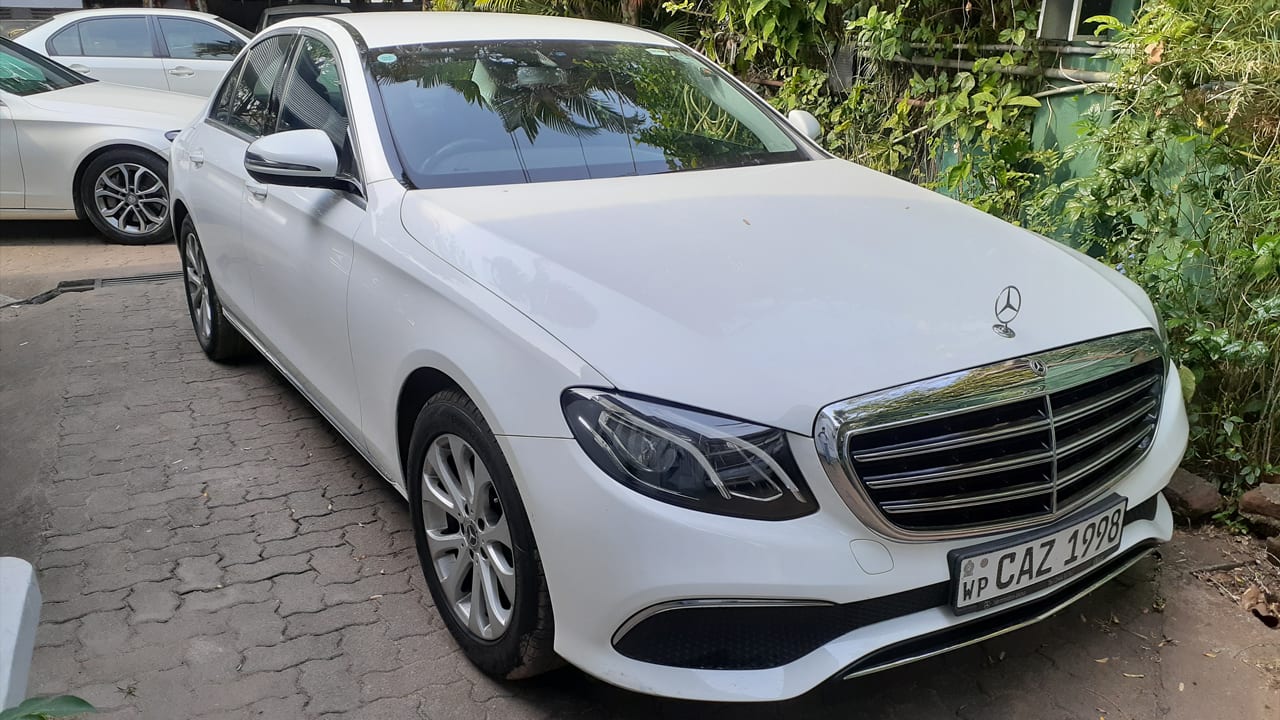


The Mercedes-Benz E-Class is one of the most enduring executive car lines in the world, covering a century of refinement from its post-war origins to the sophisticated sedan and estate variants available today. For travellers exploring Sri Lanka in style, the E-Class represents a balance of interior comfort, reliable performance, and composed road manners that suits both airport runs and longer journeys through the island's varied terrain.
What is the history of the Mercedes-Benz E-Class?
Mercedes-Benz has produced executive vehicles in what would eventually become the E-Class line since 1953. For its first four decades, the letter "E" appeared not as a model designation but as a suffix denoting Einspritzmotor — German for fuel-injection engine. This suffix began appearing prominently in the early 1960s as fuel injection moved beyond Mercedes' high-end sporting models and became a feature across a broader range of the manufacturer's vehicles.
By 1993, when Mercedes launched the facelifted W124, fuel injection was standard across virtually every engine in the range. At that point the company reframed "E" as a prefix — producing designations such as E 220 and E 320 — and formally named the model line the E-Class, or E-Klasse in German. The change was more than cosmetic: it signalled that the mid-range line had matured into a distinct global product with its own identity, separate from the compact C-Class below and the full-size S-Class above.
How many generations of the E-Class have there been?
The E-Class has been produced across multiple generations, each introducing advances in safety technology, drivetrain options, and interior design. Key generational milestones include the W123 (widely regarded as one of the most durable Mercedes ever built), the W124 (under which the E-Class name was formalised), the W210, W211, W212, and the current W213 generation introduced in 2016 and subsequently updated.
Throughout its history, the E-Class has been offered in a range of body styles: four-door saloon, five-door estate (wagon), two-door coupé, and convertible, giving buyers and fleet operators considerable flexibility. All generations have offered rear-wheel drive as standard, with Mercedes' 4Matic all-wheel-drive system available as an option from the W210 generation onwards.
What engine and drivetrain options does the E-Class offer?
The E-Class has historically been offered with a wide range of petrol and diesel engines, from modest four-cylinder units to powerful AMG-tuned V8s. Diesel variants — typically denoted with a "d" suffix in modern nomenclature (e.g., E 220 d) — are particularly common in fleet and transfer use due to their combination of torque and fuel efficiency on longer runs.
- Rear-wheel drive (RWD): Standard configuration across all generations, offering balanced handling and a traditional executive-car feel.
- 4Matic all-wheel drive: Available on most modern variants, providing additional traction on wet or uneven surfaces.
- PHEV (plug-in hybrid): Introduced in the W213 generation as the E 300 e and E 300 de, offering reduced fuel consumption on shorter urban journeys.
Why is the Mercedes E-Class a popular choice for private transfers in Sri Lanka?
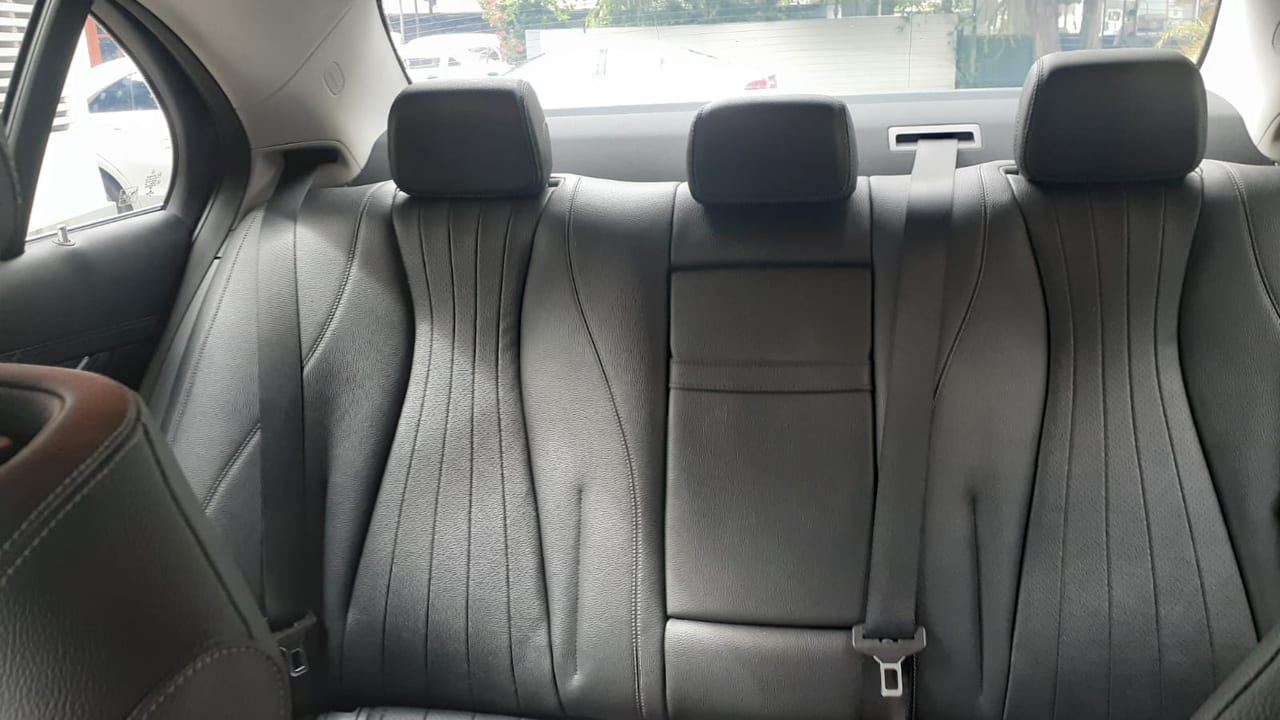
Sri Lanka's road network ranges from smooth expressways linking Colombo to the south and central regions, to narrower provincial roads winding through tea country and the cultural triangle. The E-Class handles both environments with composure. Its air-conditioned cabin, supportive seating, and relatively quiet ride make multi-hour journeys — from Colombo to Ella, for example, or to national park gateways — considerably more comfortable than a standard saloon.
For business travellers, the E-Class also projects an appropriate level of professionalism when attending meetings in Colombo or arriving at resort hotels. The saloon boot provides ample space for luggage on airport transfers, while the estate variant can accommodate larger groups travelling with sports equipment or extended baggage.
How does the E-Class compare with other executive saloons for travel in Sri Lanka?
| Vehicle | Segment | Typical Use in Sri Lanka | All-Wheel Drive Option |
|---|---|---|---|
| Mercedes E-Class | Executive (mid-size) | Airport transfers, intercity, business travel | Yes (4Matic) |
| Mercedes S-Class | Full-size luxury | VIP transfers, special occasions | Yes (4Matic) |
| Toyota Camry | Executive (mid-size) | Corporate transfers, intercity | No (standard configuration) |
| BMW 5 Series | Executive (mid-size) | Airport transfers, business travel | Yes (xDrive) |
What should I know before booking a Mercedes E-Class transfer in Sri Lanka?
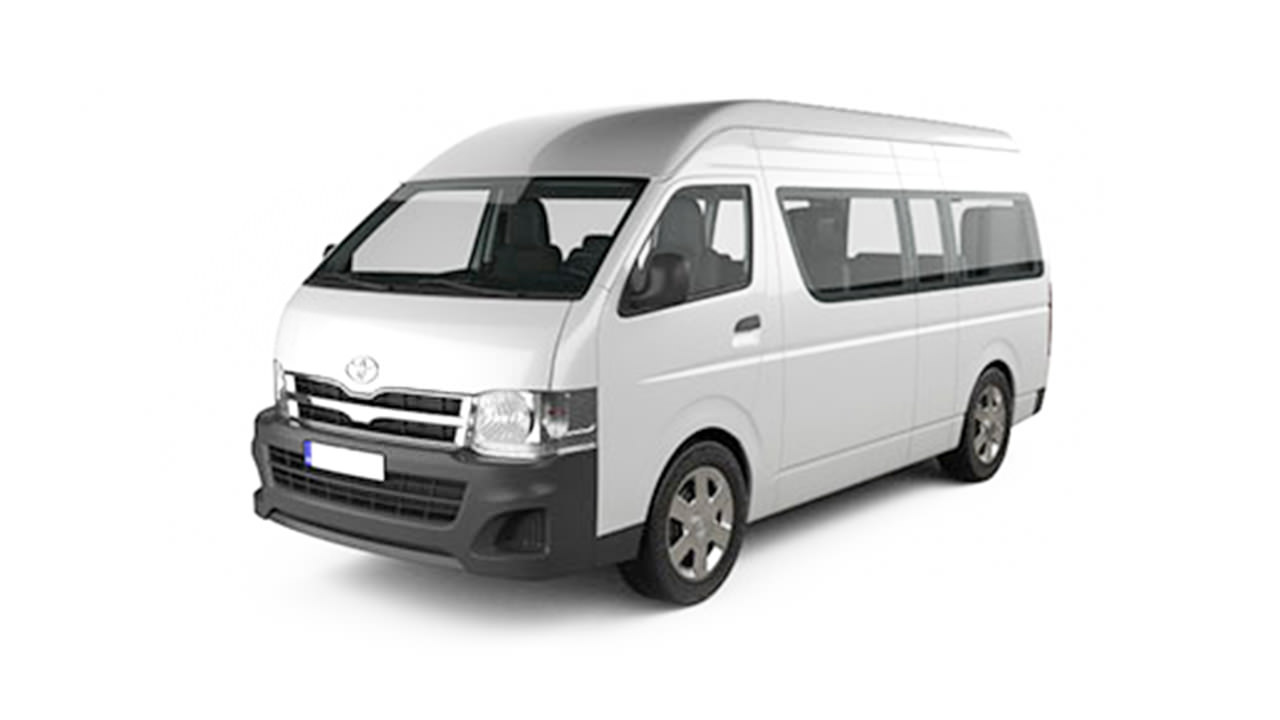
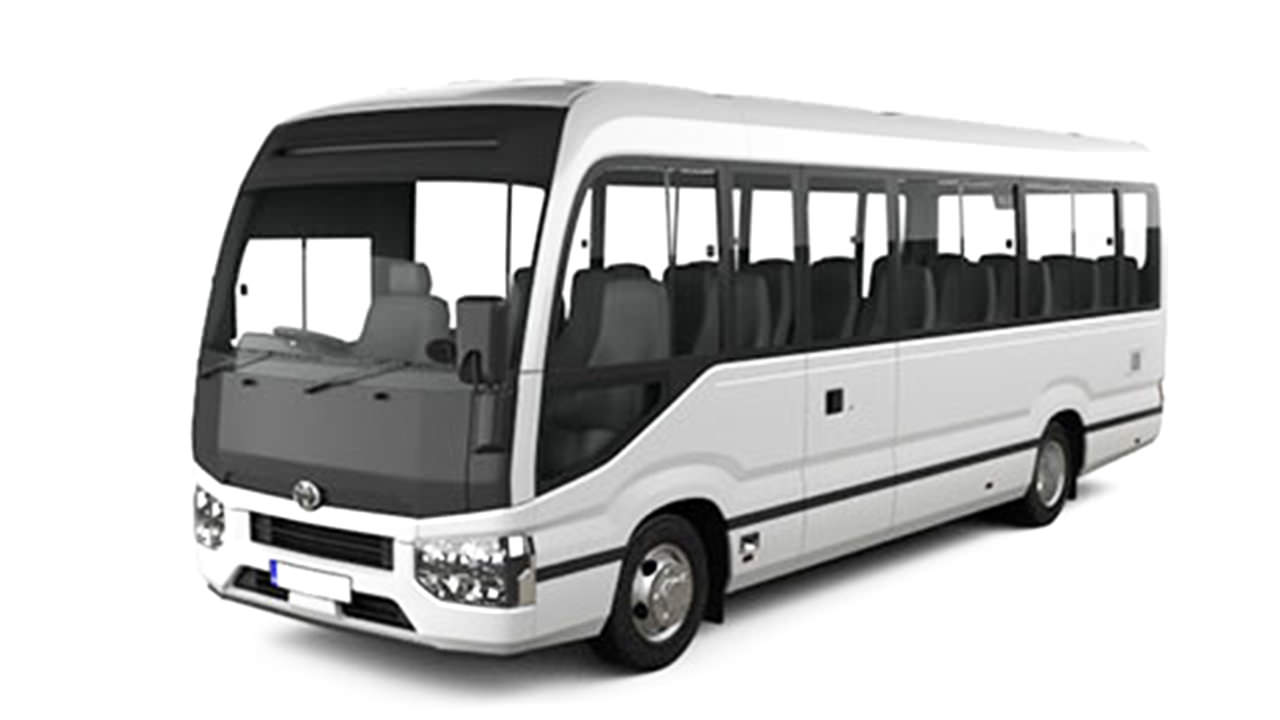
When arranging a private transfer in an executive vehicle such as the E-Class, a few practical considerations apply. Confirm the seating capacity with your operator: a standard saloon comfortably seats three passengers with luggage, while four passengers may require the boot to be more carefully packed. For groups of five or more, a larger vehicle such as an MPV or minivan is generally more practical.
Journey times in Sri Lanka can vary significantly from map distances suggest, particularly in the hill country and northern regions where road conditions and terrain add time. Building buffer into your schedule — especially for airport connections — is advisable. A professional driver familiar with local roads adds further reassurance on longer itineraries.
Lakpura's private driver and taxi service can arrange E-Class transfers for airport pickups, intercity journeys, and full-day or multi-day hire across Sri Lanka.
What is the difference between the E-Class saloon and estate for travel purposes?
The saloon (four-door) is the more common configuration for private transfers and is well suited to couples or solo travellers with standard luggage. The estate (wagon) variant offers a significantly larger boot, making it a practical choice for families, photographers travelling with equipment, or anyone with oversized luggage. Both variants share the same cabin comfort and drivetrain options.
Seating & capacity
At a glance
- Brand
- Mercedes-Benz
- Category
- Premium Car
- Body type
- Luxury sedan
- Drivetrain
- Petrol / diesel / hybrid
- Transmission
- Automatic
- Doors
- 5
Capacity (with luggage)
- Passengers
- 3
- Check-in bags
- 3
- Carry-on bags
- 3