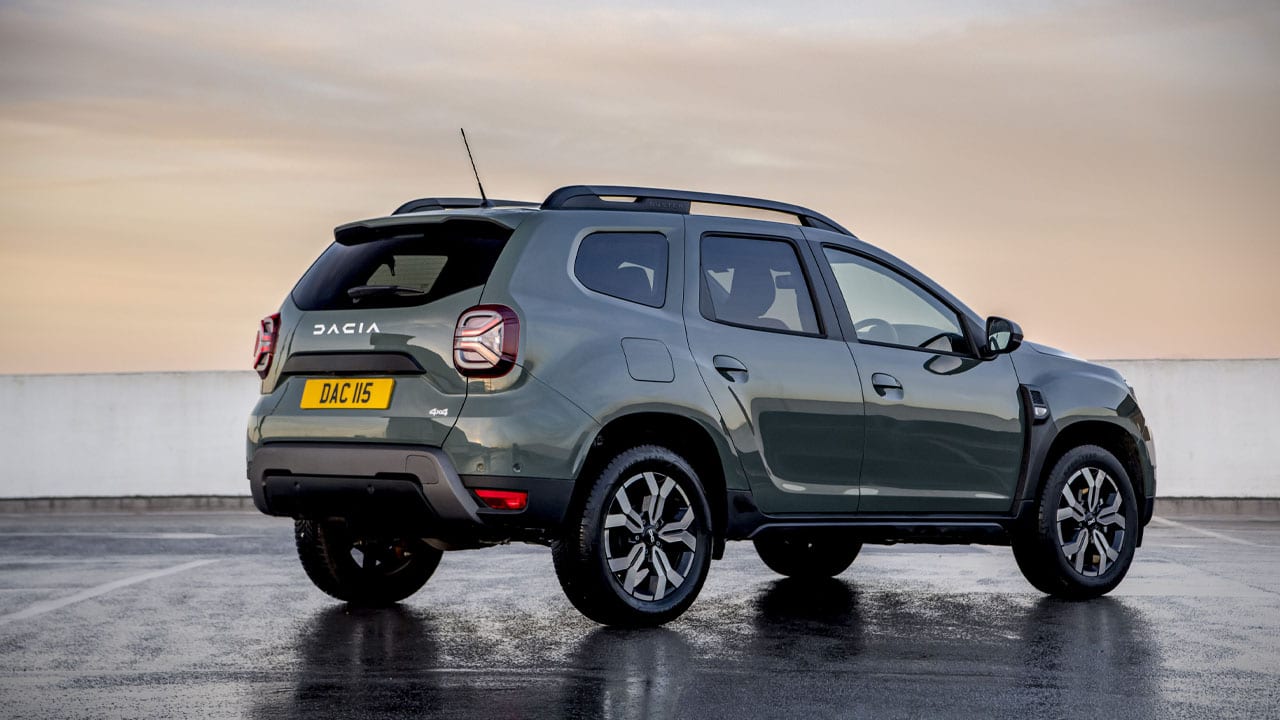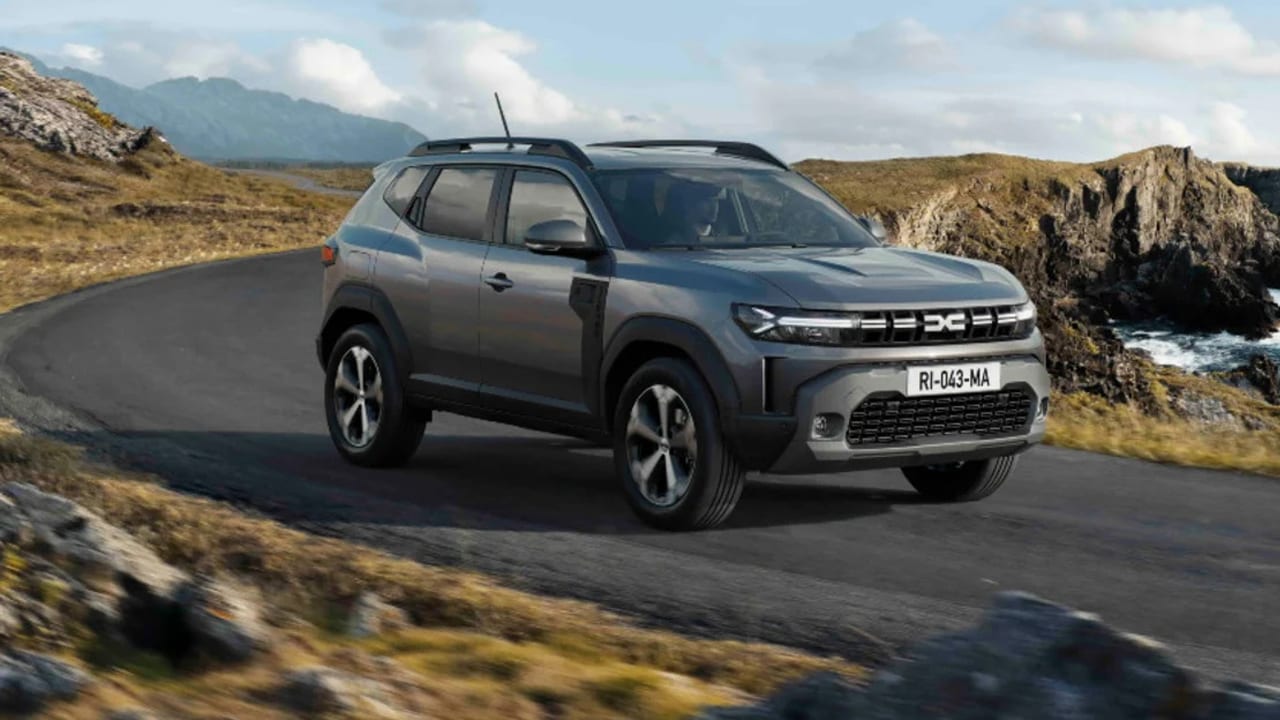


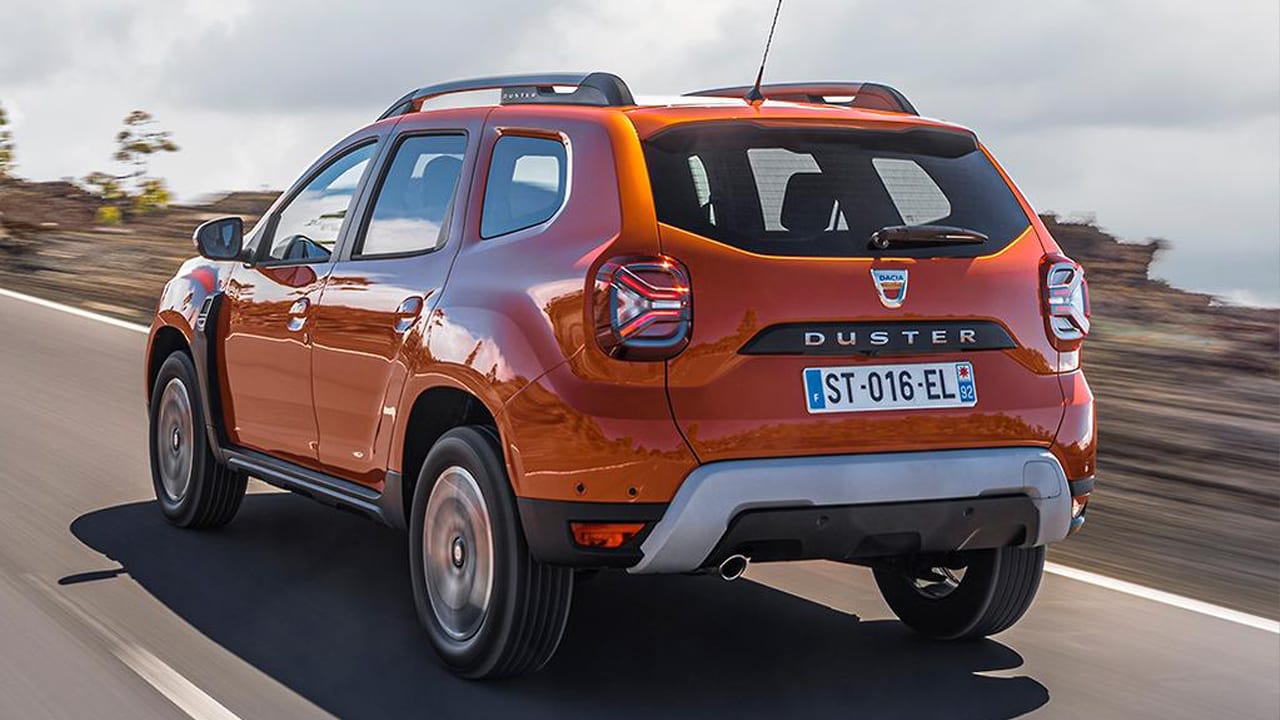

The Dacia Duster is a compact sport utility vehicle developed through a collaboration between French automaker Renault and its Romanian subsidiary Dacia. First introduced to the market in March 2010, the Duster was designed to offer genuine off-road capability and practical interior space at a price point significantly lower than most European rivals in the segment. It quickly found an audience across Europe, emerging markets, and beyond.
What is the history behind the Dacia Duster?
Dacia had already laid groundwork for affordable, platform-shared vehicles with the Logan saloon and the Sandero hatchback. The Duster became the third model built on that same Logan platform, extending the brand's reach into the SUV segment. At launch, it was offered with both front-wheel-drive and four-wheel-drive configurations, which broadened its appeal to buyers seeking a capable vehicle for light off-road use without a premium price.
The first generation ran from 2010 until 2017. During this period the vehicle accumulated a strong sales record in Western Europe, where buyers valued its low running costs and respectable ground clearance. It also sold strongly in Central and Eastern Europe, where the Dacia brand has deep roots.
When did the second generation Dacia Duster launch?
Renault and Dacia unveiled the second-generation Duster in the autumn of 2017. The update brought a more refined interior, revised exterior styling, improved infotainment options, and enhanced safety technology compared with the outgoing model. The underlying architecture remained closely related to the original platform, keeping production costs — and therefore retail prices — competitive.
The second generation retained the choice of front-wheel and four-wheel drive, and expanded the engine range to include petrol, diesel, and in some markets, liquefied petroleum gas (LPG) options. This fuel flexibility made it popular in markets where LPG infrastructure is well established.
How is the Dacia Duster marketed in other countries?
Renault markets a version of the same vehicle under its own badge in several regions where the Dacia nameplate is less well known. Key markets where the vehicle is sold as the Renault Duster include:
- Latin America
- Russia and Ukraine
- Asia (including India historically, through Renault India)
- The Middle East
- South Africa
- New Zealand
Badging and trim specifications sometimes differ between the Dacia and Renault versions to suit local preferences and regulatory requirements, but the mechanical fundamentals are shared across all variants.
What is the Nissan Terrano connection?
During the first-generation production run, Nissan — which is part of the Renault-Nissan-Mitsubishi Alliance — rebadged and restyled the Duster for sale in CIS countries and India under the Nissan Terrano nameplate. This arrangement allowed Nissan to offer a competitive entry in the compact SUV market without developing an entirely new platform, while Renault leveraged its alliance partner's distribution network in those territories.
The Terrano variant featured distinct front and rear styling cues to differentiate it visually from the Dacia and Renault versions, though the cabin and mechanical underpinnings were essentially identical.
What is the Dacia Duster Pick-Up and Renault Duster Oroch?
Renault extended the Duster nameplate into the light commercial vehicle segment with two pick-up body styles. The Renault Duster Oroch, a four-door double-cab pick-up, was launched at the end of 2015 and sold exclusively in South America. It targeted buyers who needed the practicality of a load bed alongside seating for up to five occupants, and it filled a niche in markets where compact pick-ups are popular working vehicles.
A separate Dacia Duster Pick-Up — a single-cab commercial variant — was introduced in 2020, primarily aimed at European fleet and utility buyers. Both derivatives demonstrate the structural versatility of the Logan platform, which can accommodate a range of body configurations without fundamental engineering changes.
Why has the Dacia Duster been commercially successful?
Several factors explain the model's sustained market presence across more than a decade of production:
- Price positioning: The Duster consistently undercuts most direct European competitors in the compact SUV segment, making it accessible to buyers who might otherwise consider a used vehicle.
- Mechanical simplicity: Straightforward engineering keeps ownership costs lower over the vehicle's life, which matters particularly in price-sensitive markets.
- Genuine off-road capability: The available four-wheel-drive system, combined with reasonable ground clearance, gives the Duster credible light off-road credentials that many urban-focused crossovers lack.
- Renault backing: Engineering, quality control, and parts supply benefit from Renault Group's scale, reducing the risk associated with buying from a smaller brand.
What platform underpins the Dacia Duster?
The Duster is built on the Renault-Nissan B0 platform, widely known as the Logan platform. This architecture was designed from the outset to be cost-efficient to produce and straightforward to service across diverse market conditions. The same platform underpins the Dacia Logan saloon, the Dacia Sandero hatchback, and several Renault models sold in emerging markets, providing economies of scale that contribute directly to the Duster's competitive pricing.
A third generation of the Duster, built on an updated platform, has been announced and is expected to bring more modern safety systems, electrification options, and revised styling, reflecting the broader shift across the Renault Group toward hybrid and electric powertrains.
Is the Dacia Duster available in Sri Lanka?
Sri Lanka's vehicle import regulations and taxation structure mean the Duster is not among the widely distributed SUVs in the local market. Travellers visiting Sri Lanka who need a capable, comfortable vehicle for exploring the island's diverse terrain — highland roads, coastal routes, and national park access tracks — typically arrange private transfers or hire vehicles through local operators. Lakpura provides private vehicle and driver arrangements tailored to itinerary requirements across the island.
Seating & capacity
At a glance
- Brand
- Dacia
- Category
- SUV
- Body type
- SUV
- Drivetrain
- Petrol / diesel
- Transmission
- Manual / automatic
- Doors
- 5
Capacity (with luggage)
- Passengers
- 3
- Check-in bags
- 3
- Carry-on bags
- 3