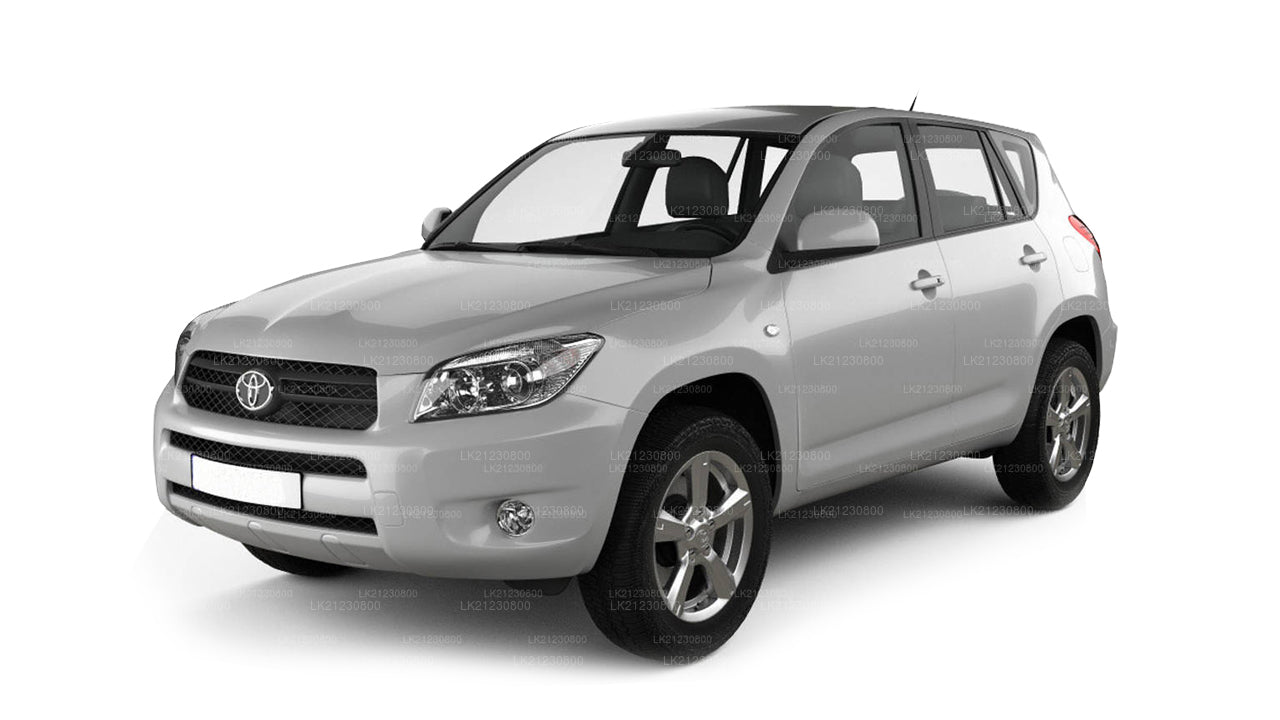
The Toyota Fortuner is a mid-size, body-on-frame SUV that has earned a strong reputation across South and Southeast Asia since its launch in 2004. Built on the same platform as the Toyota Hilux pickup truck, it combines the load-bearing durability of a commercial vehicle with passenger-car comfort across two or three rows of seating. In Sri Lanka, the Fortuner is a common sight on both urban expressways and the kind of rough hill-country tracks that would challenge a lesser vehicle.
What is the history and background of the Toyota Fortuner?
Toyota developed the Fortuner as part of its IMV (Innovative International Multipurpose Vehicle) project — a global programme designed to produce tough, cost-efficient vehicles for emerging markets using shared components. The IMV family also includes the Hilux and the Toyota Innova. The first-generation Fortuner was engineered in Thailand by a joint Thai-Japanese team and entered production in 2004. A later facelift, along with the second-generation model released in 2015, was designed by Toyota Australia, reflecting the marque's ambition to build a vehicle capable of handling the demands of markets as varied as the Australian outback and the mountain passes of central Sri Lanka.
In some markets — notably Latin America — the Fortuner is sold under the name Toyota SW4, though specifications remain largely consistent across regions. Specialised variants fitted with a naturally aspirated 5L-E diesel engine are also supplied to governments, aid organisations, and the United Nations, alongside other Toyota utility vehicles such as the Prado, Hilux, HiAce, and Land Cruiser 70 and 200 series.
What are the key specifications and configurations?
The Fortuner is available in both rear-wheel drive (RWD) and four-wheel drive (4WD) configurations, making it adaptable to a range of road conditions. The 4WD models feature a part-time four-wheel drive system with a low-range transfer case, useful on steep or unpaved terrain. Engine options across markets have included turbocharged and naturally aspirated petrol and diesel units; the diesel variants are particularly popular in Sri Lanka for their fuel economy on longer journeys.
| Feature | Detail |
|---|---|
| Vehicle class | Mid-size SUV |
| Platform | Toyota IMV (shared with Hilux) |
| Seating | 5 seats (2-row) or 7 seats (3-row) |
| Drive options | Rear-wheel drive / Four-wheel drive |
| Body style | 5-door SUV |
| Production start | 2004 (1st generation) |
| 2nd generation | 2015 onwards |
Why is the Toyota Fortuner well suited for travel in Sri Lanka?
Sri Lanka's road network ranges from modern expressways around Colombo to single-lane mountain roads with sharp bends and uneven surfaces through areas such as the hill country around Ella or the remote tracks leading into national parks. The Fortuner's ladder-frame chassis, generous ground clearance, and available 4WD system make it one of the more practical choices for travellers who want to cover varied terrain in a single vehicle without sacrificing passenger comfort.
Its three-row seating configuration also suits families or small groups who need to seat six or seven passengers along with luggage — a practical consideration when travelling between destinations like Colombo, Kandy, and the southern coast. The high seating position gives passengers good visibility, which enhances the experience on scenic routes through tea country and along the coast.
For travellers heading into areas like Wilpattu National Park or Udawalawe National Park, an SUV with decent clearance and a strong diesel engine makes a meaningful difference on park access roads, particularly during or just after the monsoon season when tracks can be soft.
How does the Fortuner compare with similar vehicles available for hire in Sri Lanka?
In Sri Lanka's private transfer and self-drive market, the Fortuner sits in the upper-mid segment — below the larger Land Cruiser Prado and 200 series but above compact crossovers and standard sedans. Travellers who need full off-road capability on demanding tracks sometimes opt for the Land Cruiser Prado, while those travelling mainly on sealed roads may find a smaller vehicle more economical. The Fortuner occupies a practical middle ground: capable enough for national park visits and hill-country driving, yet comfortable enough for airport transfers and city touring.
- Standard sedan (e.g. Toyota Allion, Axio) — suitable for city and expressway use; limited ground clearance
- Toyota RAV4 — compact SUV; good for most paved routes but less capable on demanding off-road tracks
- Toyota Fortuner — mid-size SUV; practical balance of capacity, clearance, and comfort
- Toyota Land Cruiser Prado — full-size SUV; maximum capability and space, higher cost
What should I know about using a Fortuner on a chauffeur-driven tour?
Most Lakpura chauffeur-driven tours that specify an SUV use vehicles in the Fortuner or Prado class, depending on group size and itinerary. A chauffeur-driven arrangement means travellers do not need an international driving permit or familiarity with local road conventions — both of which matter on Sri Lanka's often-busy rural routes. The driver typically handles route planning, parking at popular sites, and coordination with local guides at attractions.
If your itinerary includes a mix of cultural sites, national parks, and beach destinations — a common pattern for a two-week Sri Lanka tour — a vehicle with the Fortuner's luggage capacity and passenger comfort is a sensible baseline. Lakpura's private driver and taxi service can be arranged with vehicle class specified at the time of booking.
Is the Toyota Fortuner available for self-drive hire in Sri Lanka?
Self-drive hire of larger SUVs is available in Sri Lanka, though travellers should be aware that road conditions, driving conventions, and signage can differ considerably from European or North American norms. An international driving permit is required, and insurance terms should be reviewed carefully before confirming a booking. For most international visitors, a chauffeur-driven arrangement offers more flexibility and less logistical overhead than self-drive, particularly on longer multi-destination itineraries.
Travellers who are comfortable with self-drive and want a comparable vehicle class may wish to consider the Toyota RAV4 or Land Cruiser Prado, both of which are available through Lakpura's self-drive fleet.
What are the main generations of the Toyota Fortuner?
The Fortuner has gone through two main generations since its launch, with facelifts within each generation introducing updated styling, improved safety features, and revised engine options.
- First generation (2004–2015): Developed in Thailand; angular styling; available with both petrol and diesel engines; part-time 4WD on higher trim levels.
- Second generation (2015–present): Designed by Toyota Australia; more refined interior and exterior; improved suspension tuning; wider availability of turbocharged diesel engines; updated driver-assistance features on top-spec variants.
Both generations remain in active use across Sri Lanka's private hire and fleet markets, so the specific model year of a hire vehicle can vary. It is worth confirming the generation and seating configuration when booking if these details matter to your travel group.
Related reading
11 pages on closely related subjects.