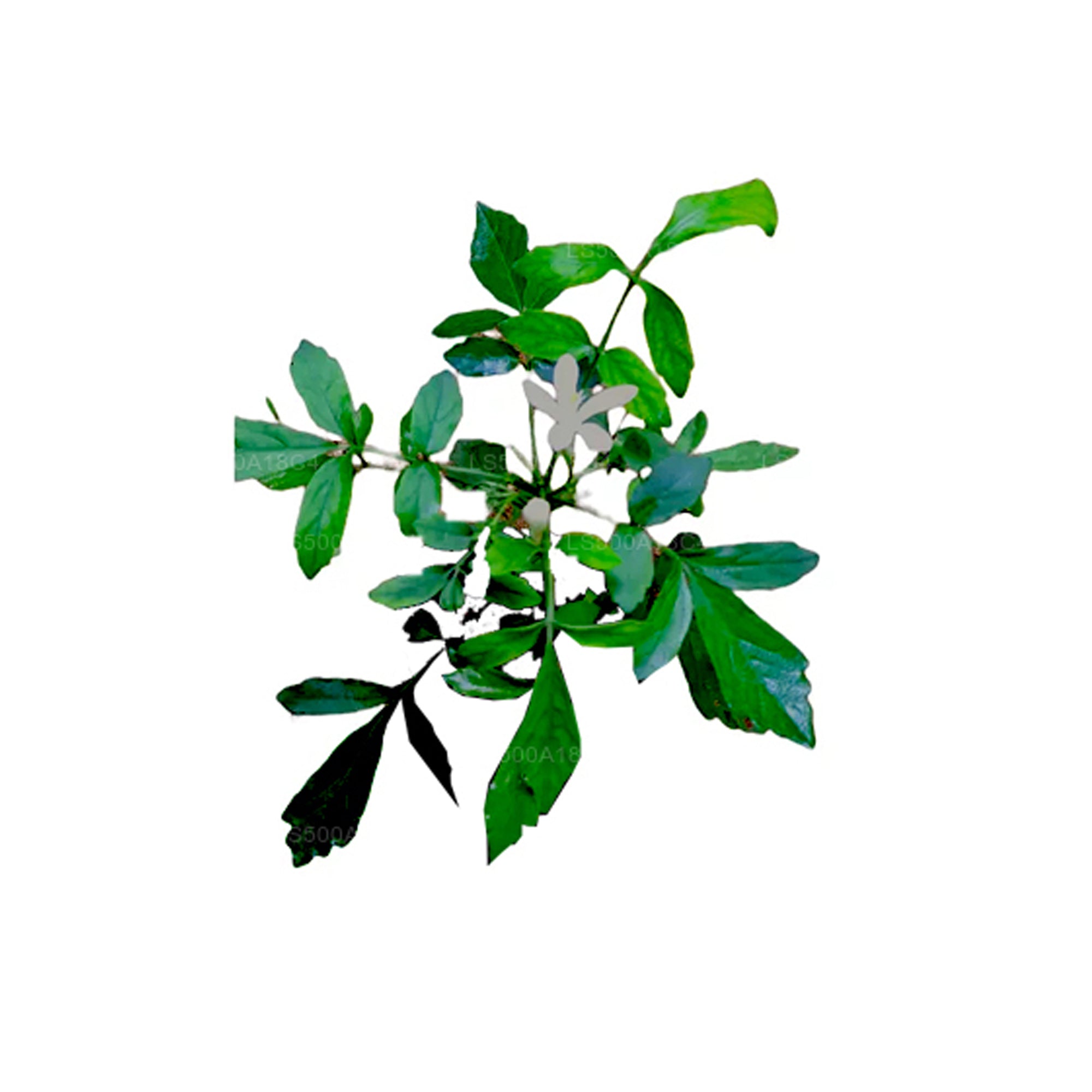




Meliosma pinnata ssp. barbulata is a flowering plant species documented within the catalogue of ayurvedic medicinal plants of Sri Lanka. Belonging to the family Sabiaceae, this subspecies represents one of the lesser-known yet botanically significant members of the Sri Lankan flora, particularly valued in traditional medicine systems that have been practised on the island for centuries.
What is Meliosma pinnata ssp. barbulata?
Meliosma pinnata is a species of tree distributed across tropical and subtropical Asia, and the subspecies barbulata is among the variants recorded in Sri Lanka's diverse forest ecosystems. The genus Meliosma comprises a range of woody plants — typically small to medium-sized trees or shrubs — characterised by pinnate or simple leaves and small, fragrant flowers arranged in panicles. The subspecies name barbulata refers to minute barbule-like features observed in certain structural parts of the plant.
In Sri Lanka, the plant is catalogued under the national reference for ayurvedic medicinal species, reflecting its relevance to the island's deep-rooted herbal healing traditions. Ayurveda, which has been practised in Sri Lanka for over two millennia, draws upon a remarkably rich pharmacopoeia of native plant species, of which Meliosma pinnata ssp. barbulata is a documented component.
Where does Meliosma pinnata ssp. barbulata grow in Sri Lanka?
This subspecies tends to occur in moist, tropical forest environments, often at mid-elevation zones. Sri Lanka's wet zone forests — including areas surrounding the Sinharaja Forest Reserve — provide suitable habitat conditions for a range of medicinal forest plants, including members of the Sabiaceae family. The island's biodiversity hotspot status means that many such species occupy narrow ecological niches within protected or semi-protected woodland.
The plant is not commonly cultivated commercially but may be encountered in forest undergrowth, riverine margins, or within home gardens maintained by traditional healers and ayurvedic practitioners.
What is the role of Meliosma pinnata ssp. barbulata in ayurvedic medicine?
Sri Lanka's system of traditional medicine, known as Deshiya Chikitsa or indigenous medicine, incorporates a vast array of plant species with specific therapeutic attributions. Meliosma pinnata ssp. barbulata appears in the official catalogue of ayurvedic medicinal plants maintained by Sri Lanka's Department of Ayurveda, which serves as the regulatory and reference body for traditional medicine on the island.
While detailed clinical documentation for this specific subspecies remains limited in widely available literature, plants within the broader Meliosma genus have been associated with uses related to fever management, inflammation, and skin conditions in regional ethnobotanical records across South and Southeast Asia. Traditional practitioners typically use bark, leaves, or roots of such species in decoctions or topical preparations, though specific formulations vary considerably by region and practitioner lineage.
Other documented ayurvedic preparations on the island, such as Yogaraja Guggulu and Kaishore Guggulu, illustrate how multi-ingredient formulations often draw upon a combination of plant species — some well-known internationally and others, like Meliosma pinnata ssp. barbulata, known primarily within the Sri Lankan or South Asian scholarly tradition.
How does Sri Lanka protect and document its medicinal plant heritage?
Sri Lanka's Department of Ayurveda, operating under the Ministry of Health, maintains systematic catalogues of the island's medicinal flora. These catalogues serve multiple purposes: ensuring quality control for practitioners, supporting biodiversity conservation, and providing a reference base for ethnobotanical research. Meliosma pinnata ssp. barbulata carries the catalogue reference LK94005818, indicating its formal recognition within this framework.
Beyond official documentation, conservation of medicinal plant species relies heavily on the protection of natural forest habitats. Deforestation, land conversion, and climate variability pose ongoing threats to plants that grow specifically within forest understories. Efforts to conserve areas such as cloud forests and lowland wet-zone forests are therefore directly relevant to the survival of species like this subspecies in the wild.
Sri Lanka is also home to botanical gardens, notably at Peradeniya near Kandy, where both common and rare native species are cultivated for research and educational purposes. These institutions play a supplementary role in ex-situ conservation of medicinal flora.
What is the broader significance of Sri Lanka's ayurvedic plant catalogue?
The catalogue of ayurvedic medicinal plants of Sri Lanka is not merely an academic inventory — it underpins a living therapeutic tradition that continues to be practised across the country. Tens of thousands of registered ayurvedic physicians and a much larger number of traditional home practitioners rely on these species in day-to-day healthcare. Many rural households maintain small home gardens (gam beheth) stocked with medicinal plants, a practice recognised as part of Sri Lanka's intangible cultural heritage.
Comparative ethnobotanical work across South Asia has highlighted that the Indian subcontinent and Sri Lanka share many plant species but often diverge in the specific applications attributed to them, reflecting distinct lineages of medical knowledge. Plants catalogued in Sri Lanka's system, including less prominent species such as Meliosma pinnata ssp. barbulata, contribute to this broader mosaic of botanical knowledge that researchers continue to study for potential pharmacological leads.
Related species in Sri Lanka's medicinal catalogue include Acacia chundra and Pongamia pinnata, both of which have longer records of documented therapeutic use and greater visibility in the scientific literature. Exploring the catalogue as a whole reveals the depth and complexity of Sri Lanka's plant-based medical heritage.
Can travellers encounter medicinal plants like this during a Sri Lanka visit?
Visitors with an interest in ethnobotany and traditional medicine can explore several avenues in Sri Lanka. Ayurvedic wellness centres and hospitals — particularly in Kandy, Galle, and Colombo — often feature small herb gardens where practitioners explain the properties of different plants. Guided nature walks through forest reserves give a more direct encounter with wild medicinal species in their natural setting.
The Horton Plains National Park and the lowland forests of the wet zone offer opportunities to walk through environments where many of Sri Lanka's documented medicinal plants grow naturally. Specialist guides can help identify species and provide context on their traditional uses, enriching the experience considerably beyond what a self-guided visit would offer.
Other species in this genus
1 more, sharing the same genus.
Related reading
1 pages on closely related subjects.