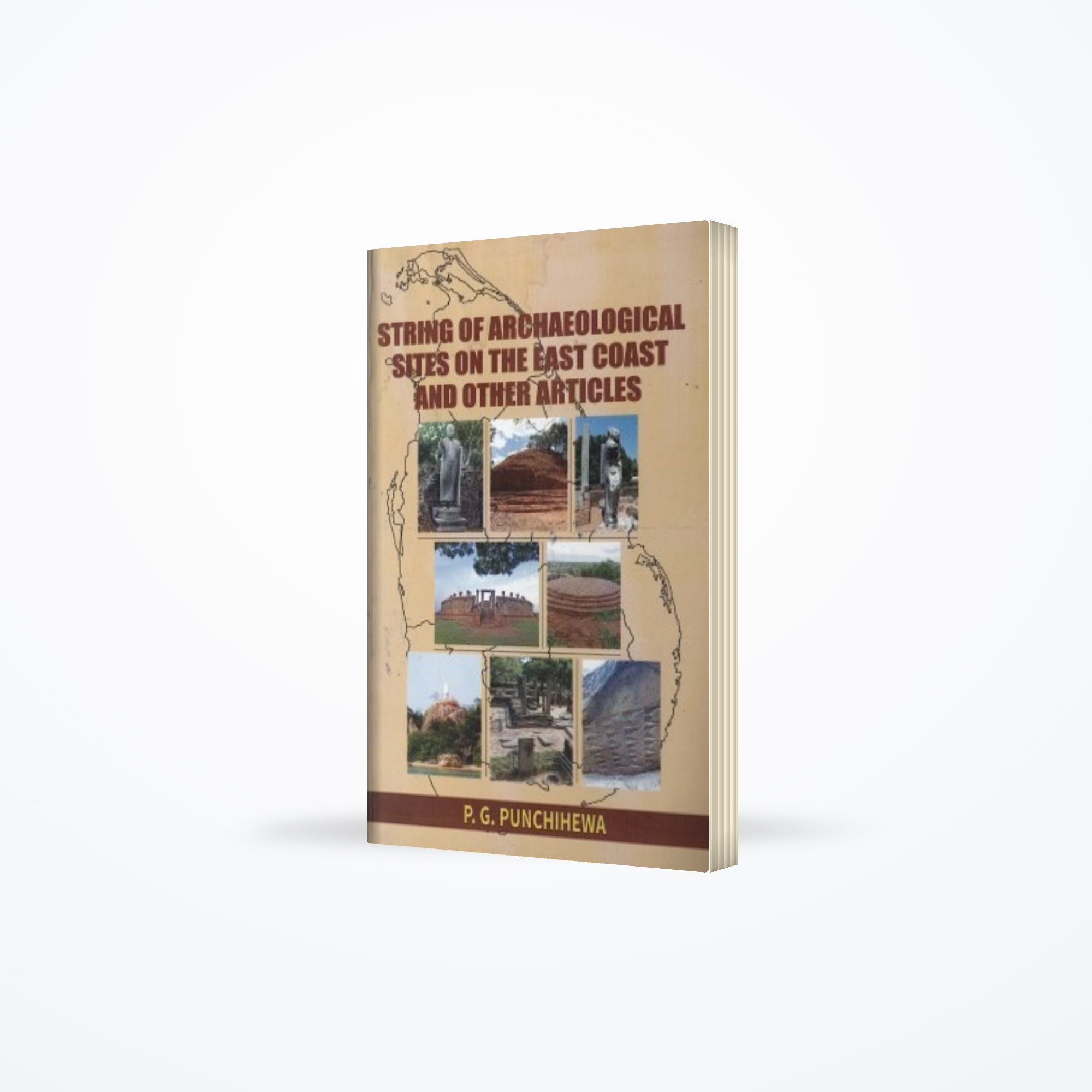
Tucked inside the culturally rich neighbourhood of Nallur in Jaffna, the Jaffna Archaeological Museum offers one of the most focused windows into northern Sri Lanka's layered past. Established in 1978 on land donated by the Arumuga Navalar Foundation, the museum is small by national standards but punches well above its weight in historical significance. For anyone travelling through the Northern Province, it is a worthwhile stop that rarely takes more than two hours.
What is the history behind the Jaffna Archaeological Museum?
The museum was founded with the explicit aim of preserving and presenting the archaeological and cultural heritage of the Tamil community in northern Sri Lanka. The building itself was donated by a local benefactor, and the Arumuga Navalar Foundation — named after the 19th-century Tamil scholar and religious reformer — provided the land. From its earliest days, the institution has served both as a repository for recovered artifacts and as a centre of cultural memory for Jaffna's residents.
Its founding in 1978 came at a time when systematic archaeological work in the peninsula was gaining momentum, particularly at sites like Kandarodai (locally known as Kadurugoda), an ancient settlement that has yielded thousands of miniature stupas, potsherds, and coins pointing to a flourishing trade and religious community active from roughly the 3rd century BCE onward.
What can you see at the Jaffna Archaeological Museum?
The collection spans several broad categories, arranged across modest but well-organised gallery spaces:
- Religious artifacts: Sculptures and icons in metal, wood, and stone representing both Hindu and Buddhist traditions — a reminder that the peninsula's religious history is more intertwined than is commonly assumed.
- Kandarodai excavation finds: Pottery fragments, miniature stupas, and coins recovered from what is considered one of the most significant archaeological sites in northern Sri Lanka.
- Coins and trade objects: Roman, Indian, and local coins that speak to Jaffna's historical role as a maritime trading hub connecting South Asia with the wider ancient world.
- Woodcarvings and everyday objects: Items that illuminate the domestic life, craftsmanship, and belief systems of ordinary people across different eras, from ancient times through the Portuguese, Dutch, and British colonial periods.
- Stone inscriptions and tools: Epigraphic finds and implements that help date occupation layers and trace social change over centuries.
The layout encourages a slow, thoughtful walk through the galleries. Signage is present, and staff members are usually on hand to provide context — something particularly valuable given that many labels are in Tamil and Sinhala. If you have a specific interest in a particular period or artifact type, arriving with some background reading will deepen the experience considerably.
How does the museum connect to the Kandarodai archaeological site?
Kandarodai, located around 13 km north of Jaffna town, is the most extensively excavated ancient site in the peninsula. Excavations there have uncovered evidence of continuous habitation spanning over two millennia, including Roman amphorae, South Indian rouletted ware, and hundreds of miniature Buddhist stupas clustered in a dense field. The Jaffna Archaeological Museum serves as the primary custodian of many portable finds from these digs, making it an essential companion visit for anyone who plans to walk the Kandarodai site itself. Seeing the physical artifacts before or after visiting the ruins substantially enriches both experiences.
When is the best time to visit the Jaffna Archaeological Museum?
The museum is open on most days of the week but is closed on Tuesdays and on certain public and cultural holidays, so it is worth confirming hours locally before making a dedicated trip. Morning visits, when natural light is good and crowds are minimal, tend to be the most comfortable. The Northern Province experiences its heaviest rainfall during the northeast monsoon, typically from October through January, when travel on local roads can be less predictable. The drier months from February through September generally offer more straightforward conditions for getting around Jaffna.
How do I get to the Jaffna Archaeological Museum?
The museum is situated in Nallur, approximately 2 km from the Jaffna central bus station — a short tuk-tuk ride or a manageable walk. Most visitors combine the museum with a visit to the nearby Nallur Kandaswamy Kovil, one of the most important Hindu temples in Sri Lanka, making the two a natural half-day pairing. From Jaffna town centre, taxis and three-wheelers are plentiful, and many guesthouses can arrange drop-off. Travelling from Colombo, the A9 highway through Vavuniya now offers a full road connection, and there are also rail services to Jaffna from Colombo Fort station, making a multi-day itinerary in the north entirely feasible.
What else should I see near the museum in Jaffna?
Jaffna rewards slow exploration. Within a short distance of the museum, visitors can take in the Jaffna Fort — a Dutch-era coastal fortification — the colonial-period Jaffna Library (rebuilt after its destruction in 1981), the Nallur Kandaswamy Kovil, and the bustling central market. Day trips to the nearby islands — Nainativu, Delft (Neduntivu), and Kayts — add a maritime dimension to any northern itinerary. Pigeon Island, further south along the east coast, is another well-regarded natural site for those extending their Sri Lanka journey.
Is the Jaffna Archaeological Museum suitable for children?
The museum works well for older children and teenagers with an interest in history or archaeology, particularly those who have some context about Sri Lankan or South Asian history. Younger children may find the pace and density of objects less engaging than outdoor sites, but the coin and pottery displays tend to draw curiosity across age groups. The quiet atmosphere and modest size mean a family visit can be completed without fatigue.
Nearby places
11 places within about 25 km, nearest first.
- Rio Ice Cream Jaffnaunder 1 km
- Sankili Thoppuunder 1 km
- Manthiri Manai Mansionunder 1 km
- Nallur Kandaswamy Kovil Festival in Jaffnaunder 1 km
- Nallur Kandaswamy Kovilunder 1 km
- Maninthalei Shivam Kovilunder 1 km
- North Coastunder 1 km
- Northern Provinceunder 1 km
- Archaeological Museum Jaffnaunder 1 km
- Kokuvil Railway Station1 km
- Ruins of King Sangiliyan’s Minister’s Residence, Jaffna1 km
Related reading
4 pages on closely related subjects.