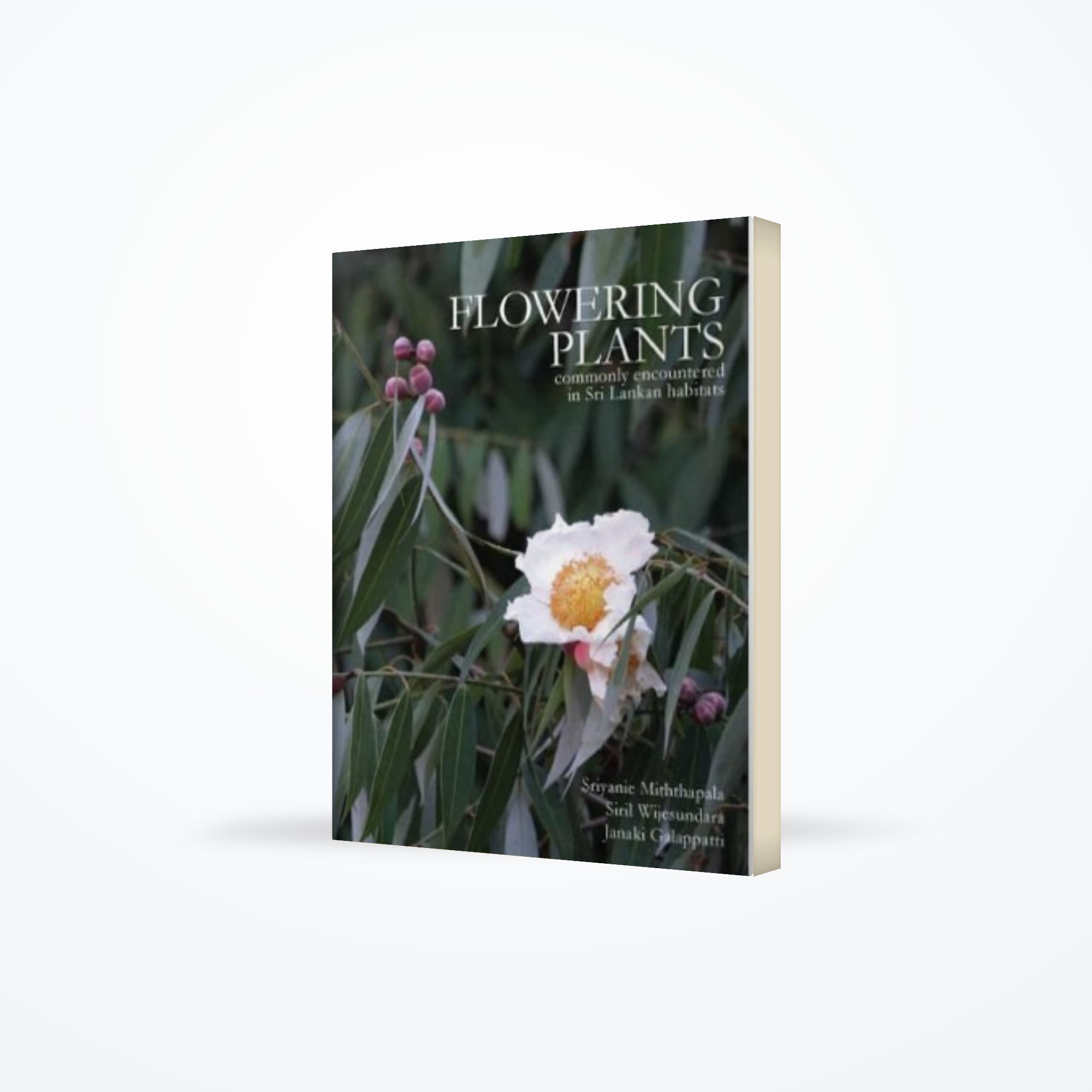
Sri Lanka's plant life tells a story written over millions of years of isolation. Separated from the Indian subcontinent long enough for evolution to take its own path, the island has developed a flora unlike anywhere else on earth. With around 3,000 flowering plant species recorded and roughly a third of them found nowhere else in the world, Sri Lanka ranks among the most botanically significant landmasses in Asia relative to its size.
Why Does Sri Lanka Have So Many Endemic Plants?
The answer lies in geography and climate working in concert. The central highlands — peaking above 2,500 metres — create sharply different microclimates within short distances. The southwestern wet zone, which includes the dense lowland rainforests of the Sinharaja Forest Reserve, receives well over 3,500 mm of rain annually, while the northern plains receive a fraction of that. This mosaic of habitats allowed plant lineages to diverge and specialise over geological time, producing high rates of endemism in every vegetation zone from sea level to montane grassland.
Which Endemic Plant Species Are Most Significant?
Several species stand out for their ecological importance, cultural resonance, or economic value.
- Blue Lotus (Nymphaea nouchali): Sri Lanka's national flower and a recurring motif in Buddhist and Hindu iconography across the island. It grows in shallow tanks, paddy-field margins, and slow-moving waterways.
- Ceylon Cinnamon (Cinnamomum verum): Arguably the island's most commercially significant endemic tree. True Ceylon cinnamon — softer, more complex, and less pungent than cassia — is harvested from the bark of this species, which still grows wild in the wet-zone forests as well as in cultivated plots across the southwest.
- Sri Lanka Sandalwood (Santalum album): Prized for centuries for its aromatic heartwood, it is now rare in the wild and subject to conservation efforts. Its use in Ayurvedic and traditional medicine makes it culturally as well as ecologically important.
- Ceylon Trumpet Tree (Stereospermum colais): A distinctive flowering tree of the dry-zone forests, recognisable by its pale tubular blossoms and important to local bees and other pollinators.
- Hora (Dipterocarpus zeylanicus): A towering canopy tree of lowland rainforests, part of the globally threatened Dipterocarp family. It plays a structural role in forest ecosystems and is considered a conservation priority.
- Nelu (Strobilanthes sessilis): A shrub of the montane grasslands that mass-flowers at irregular multi-year intervals — a phenomenon that shapes the ecology of high-altitude zones including the Horton Plains.
- Kitul Palm (Caryota urens): Though widespread across South Asia, the kitul palm is deeply woven into Sri Lankan rural culture. Its sap is harvested to produce treacle and jaggery through a practice known locally as kitul tapping.
Where Are the Best Places to See Endemic Plants in Sri Lanka?
Different ecosystems concentrate different plant communities, so the best destination depends on what you want to observe.
| Location | Vegetation Type | Notable Endemic Species |
|---|---|---|
| Sinharaja Forest Reserve | Lowland tropical rainforest | Hora, Dipterocarps, endemic ferns and orchids |
| Horton Plains National Park | Montane grassland and cloud forest | Nelu, Rhododendron arboreum, endemic mosses |
| Makandawa Rainforest | Intermediate-zone rainforest | Medicinal forest plants, endemic palms |
| Royal Botanic Gardens, Peradeniya | Cultivated collection | Labelled endemic specimens from across Sri Lanka |
| Knuckles Mountain Range | Cloud forest and montane scrub | Endemic Impatiens, tree ferns, carnivorous pitcher plants |
| Madu Ganga Wetlands | Mangrove and lagoon | Mangrove associates, aquatic endemic species |
The Royal Botanic Gardens at Peradeniya, near Kandy, offer the most accessible introduction: labelled specimens include many species that would take days of forest trekking to encounter in the wild. For serious botanical exploration, Sinharaja and the cloud forests of the Knuckles range are unmatched.
What Is the Role of Endemic Plants in Sri Lankan Medicine and Culture?
Sri Lanka's indigenous healing tradition — known as Deshiya Chikitsa — relies heavily on plant-based compounds, and a significant proportion of the species used are either endemic or native to the island. Practitioners continue to prescribe plant-based preparations for a wide range of conditions, drawing on texts that date back over two thousand years. Species such as Pongamia pinnata and Acacia chundra appear in both traditional formularies and modern ethnobotanical research.
Beyond medicine, endemic plants have shaped Sri Lankan cuisine, craftsmanship, and ritual. Cinnamon bark, Ceylon black pepper, and clove have been traded from this island for centuries — spices that helped place Sri Lanka at the centre of ancient maritime commerce. Many temple gardens deliberately cultivate endemic flowering trees as offerings and shade, connecting botanical heritage with living religious practice.
When Is the Best Time to Explore Sri Lanka's Endemic Plant Life?
There is no single answer because Sri Lanka's two monsoon systems mean that different parts of the island are at their greenest at different times of year. As a general guide:
- December to April: The dry season in the wet zone makes hiking through lowland rainforests like Sinharaja comfortable. Trails are drier, leeches less active, and visibility in the forest understory is better.
- May to September: The southwestern monsoon brings heavy rain to the wet zone but leaves the cultural triangle and the north relatively dry. This is when botanical gardens such as Peradeniya are lush and flowering species are at their most abundant.
- Year-round: Montane areas including Horton Plains can be visited throughout the year, though mist and cold are heavier from November through January. Early morning visits offer the clearest light for plant observation before cloud cover builds.
How Are Sri Lanka's Endemic Plants Protected?
Sri Lanka is one of 36 recognised global biodiversity hotspots, a designation that reflects both the richness of the island's species and the pressures they face. The IUCN Red List includes a significant number of Sri Lankan plant species classified as threatened, vulnerable, or critically endangered. Protection operates through a network of national parks, forest reserves, and UNESCO-designated sites, with Sinharaja Forest Reserve holding World Heritage status since 1988.
Ex-situ conservation — preserving species outside their natural habitat — is carried out through botanic gardens, seed banks, and nurseries. Community-based conservation programmes in buffer zones around reserves help reduce the pressure of collection and land clearance. Responsible tourism, when managed well, channels revenue back into these efforts and creates local incentives to protect rather than clear forest land.
Can Visitors Take Part in Botanical Tours or Plant-Focused Experiences?
Guided botanical walks are offered at several forest reserves and private estates across Sri Lanka. Knowledgeable guides can identify dozens of endemic species within a single morning's walk in Sinharaja or the Knuckles. Some heritage spice gardens in the Kandy and Matale areas maintain living collections of endemic and cultivated medicinal plants, offering structured tours with explanations of traditional uses. For visitors interested in purchasing propagated specimens of endemic and medicinal species to take home (subject to customs regulations in their destination country), a range of nursery-grown plants are available through Lakpura's botanical products.
Related reading
1 pages on closely related subjects.