Eluwankulama is a secondary entrance to Wilpattu National Park, Sri Lanka's largest and one of its oldest protected wildlife areas. Less visited than the main Hunuwilagama gate, Eluwankulama offers a quieter approach to the park — a practical advantage for travellers arriving from the north or those who prefer to avoid the congestion that can build at the primary entrance during peak season.
Where is Eluwankulama, and how do I get there?
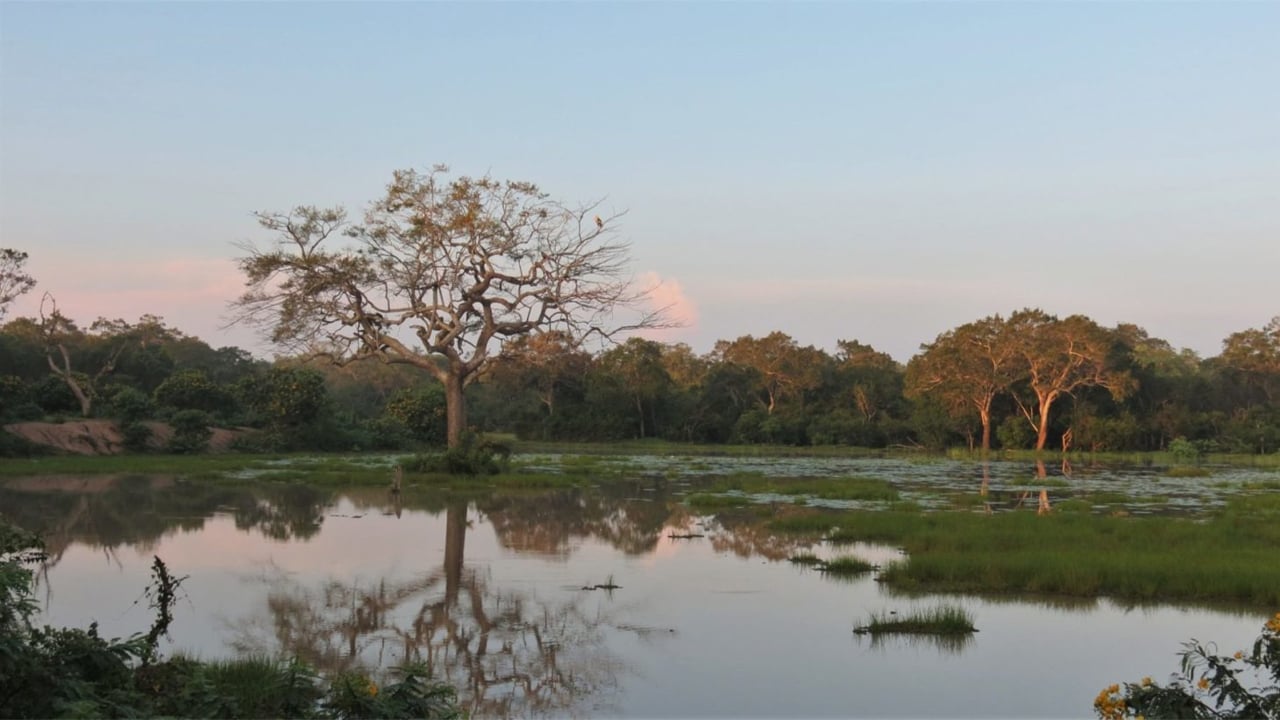
Eluwankulama lies on the northern fringe of Wilpattu National Park in the North Western Province. The access route passes through scrub forest and seasonal wetlands typical of the region's dry zone landscape. Roads leading to this entrance can become difficult to navigate during heavy monsoon rains, which is why the Department of Wildlife Conservation (DWC) has planned a new hanging bridge at Eluwankulama to provide uninterrupted access for both park staff and visitors throughout the year. Once completed, the crossing will make the entrance reliably accessible even during the wet season.
What are the opening hours at Eluwankulama?
| Detail | Information |
|---|---|
| Park name | Wilpattu National Park |
| Entrance name | Eluwankulama (Sub Entrance) |
| Open | Every day |
| Hours | 06:00 AM – 06:00 PM |
Visitors should aim to enter well before 06:00 PM, as park rangers begin clearing the grounds of tourist vehicles before closing time. Early morning entry — ideally at or just after 06:00 AM — gives you the best chance of encountering wildlife while light is still soft and animals are active.
What wildlife can I see at Wilpattu through the Eluwankulama entrance?
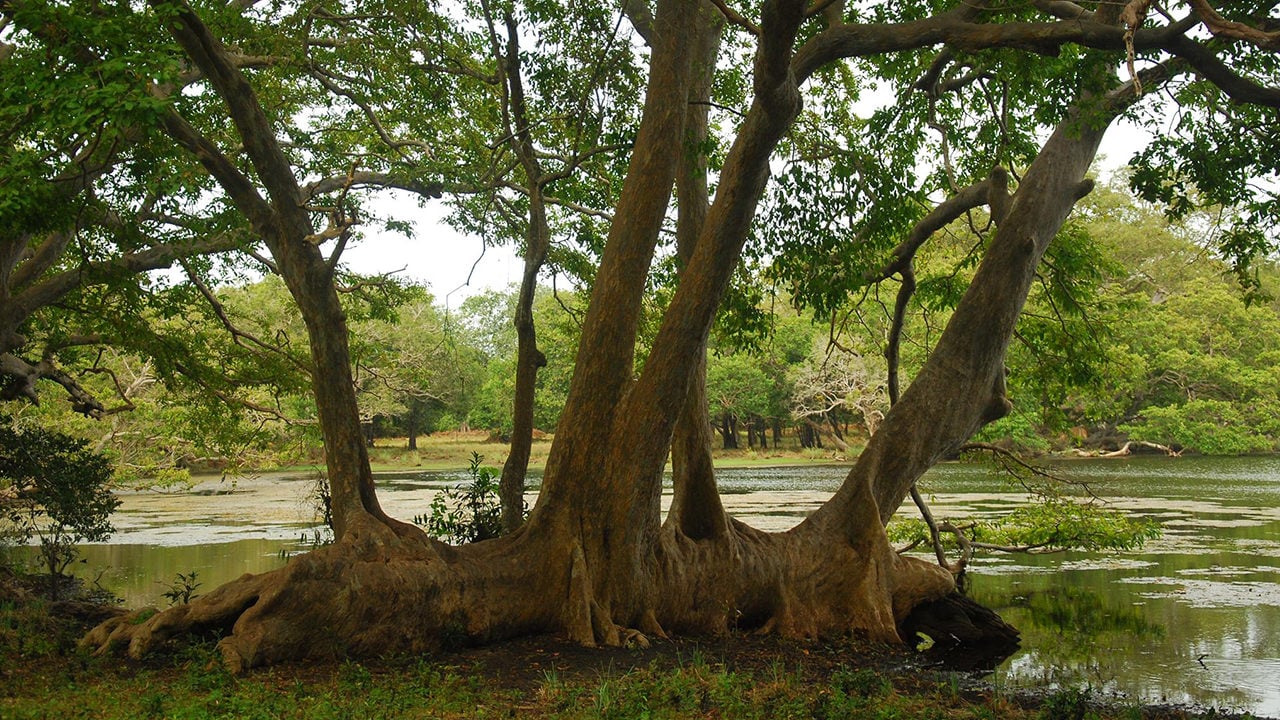
Wilpattu is best known for its naturally occurring lakes, called villus, which draw wildlife to open water year-round. The park is home to around 30 species of mammals, and sightings of iconic species are a regular part of a safari here.
- Sri Lankan leopard — Wilpattu holds one of the island's healthiest leopard populations and is considered one of the better parks in which to spot them.
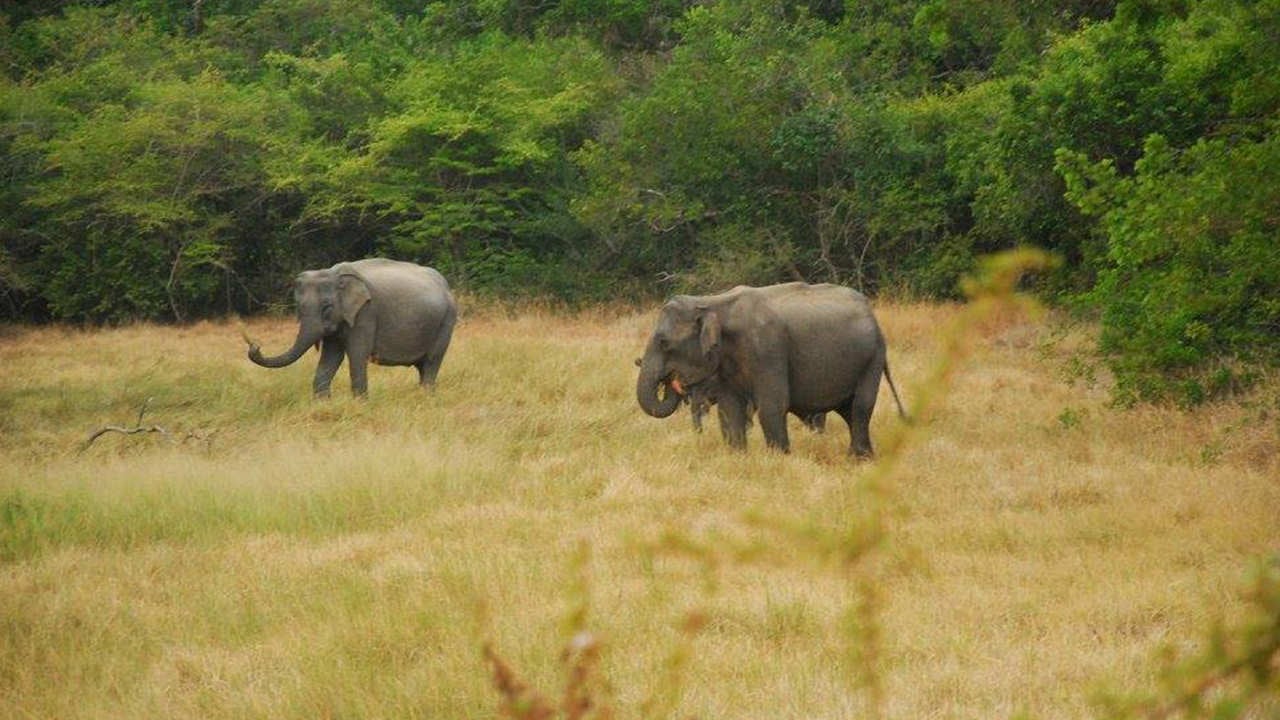
- Sri Lankan elephant — herds move through the drier interior zones and are frequently seen near villus.
- Sloth bear — more reliably seen in Wilpattu than almost anywhere else in Sri Lanka.
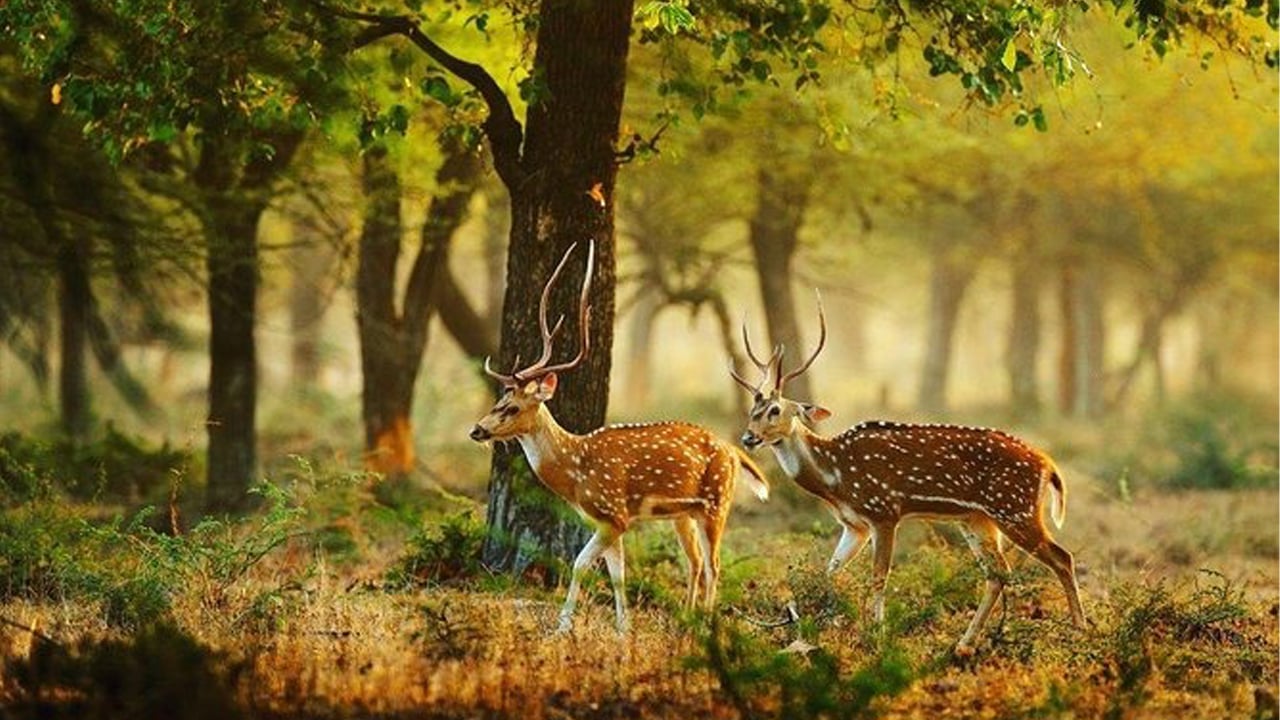
- Spotted deer and sambar — abundant across the park and often seen grazing in open areas near water.
- Water buffalo and mongoose — commonly encountered throughout the day.
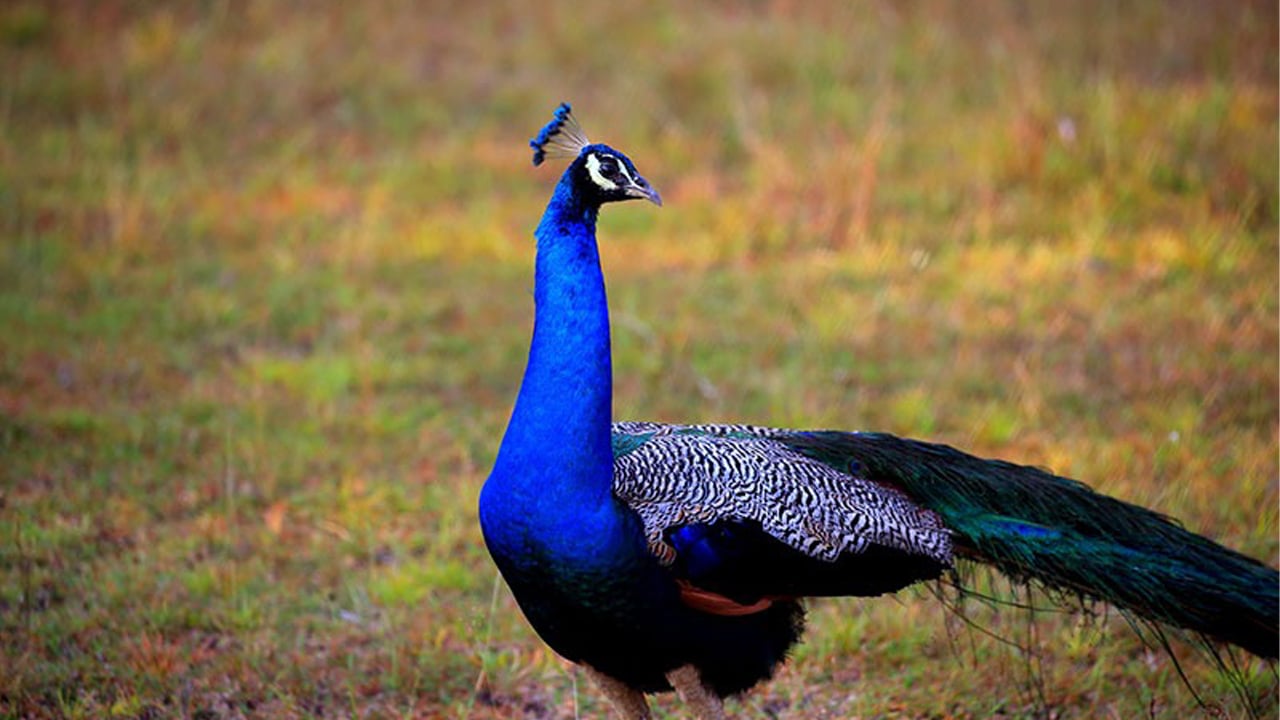
The wetland habitats around Wilpattu's villus also support a rich bird community. Waterbirds present include the garganey, pintail, whistling teal, spoonbill, white ibis, large white egret, cattle egret, and purple heron. Gulls, terns, owls, kites, and several species of eagle are also recorded here. Endemic species such as the Sri Lanka junglefowl and little cormorant are regularly seen, and the painted stork visits seasonally.
Is Eluwankulama a good entrance for a first-time safari?
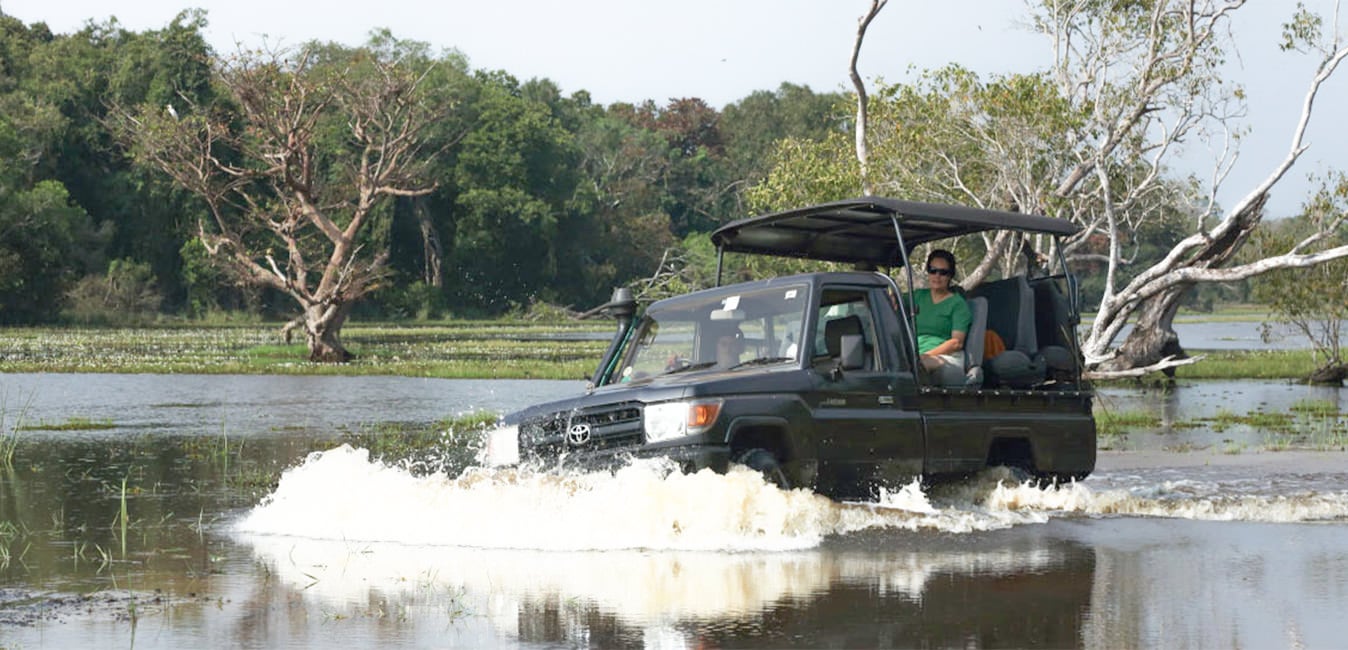
For most first-time visitors, the main Hunuwilagama entrance remains the better-known starting point because the infrastructure there — including registered jeep services and guide availability — is more established. Eluwankulama suits travellers who have pre-arranged a tour or who are visiting the park from a more northerly base. It also works well for repeat visitors looking to explore circuits of the park that receive less traffic. Whichever entrance you use, all safaris inside Wilpattu follow the same DWC regulations: a registered guide must accompany visitors in an approved 4WD vehicle.
When is the best time to visit Wilpattu via Eluwankulama?
Wilpattu is open year-round, but the dry season between February and October is generally considered the best time for wildlife observation. As vegetation thins and water sources concentrate, animals gather more predictably at the villus, improving sighting opportunities. The months of March through May tend to be particularly rewarding. During the monsoon period — roughly November to January — some internal tracks can become flooded, and the planned hanging bridge at Eluwankulama is specifically designed to address seasonal access challenges at this entrance.
What should I know before visiting Eluwankulama?
- Arrive with a confirmed jeep and licensed guide booking — there are no facilities to arrange these at the Eluwankulama gate itself.
- Carry sufficient drinking water, snacks, sunscreen, and insect repellent. No shops operate inside the park.
- Entrance fees are collected by the DWC and must be paid before entry. Foreign visitor rates apply; tickets are separate from any guide or vehicle fees.
- Plastic bags are prohibited inside the national park.
- Keep noise to a minimum and remain inside the vehicle at all times unless in a designated area. This protects both visitors and wildlife.
How does Eluwankulama compare to other entrances in Sri Lanka's national parks?
Sri Lanka's larger national parks often have multiple entrance gates serving different zones. Wilpattu is no exception: the park's vast extent — covering over 130,000 hectares — means that different entrances can lead to quite different safari circuits and wildlife densities. Eluwankulama gives access to the park's northern sections, which receive fewer vehicles than the popular southern circuits entered via Hunuwilagama. For travellers who value a quieter game drive with fewer other jeeps in view, this entrance has a clear practical appeal. Comparable alternatives in other parts of the island include the secondary entrances at parks such as Udawalawe National Park, though each park has its own character and signature species.
Nearby places
8 places within about 25 km, nearest first.
- Gange Wadiya4 km
- Malwatu Oya4 km
- Thekkama Anicut17 km
- Mahawilachchiya City20 km
- Wilpattu21 km
- Wilpattu City21 km
- Wilpattu National Park21 km
- Hunuvilagama Entrance22 km
Related reading
4 pages on closely related subjects.