Hunuvilagama serves as the primary gateway into Wilpattu National Park, Sri Lanka's largest national park by area. The entrance sits within the dry zone of the North Western Province, roughly 25 km north of Puttalam and around 30 km west of Anuradhapura, making it accessible from both the coastal highway and the cultural triangle road network. A large, well-maintained parking area at the entrance accommodates private vehicles, jeeps, and tour buses comfortably.
What makes Wilpattu National Park different from other Sri Lankan parks?
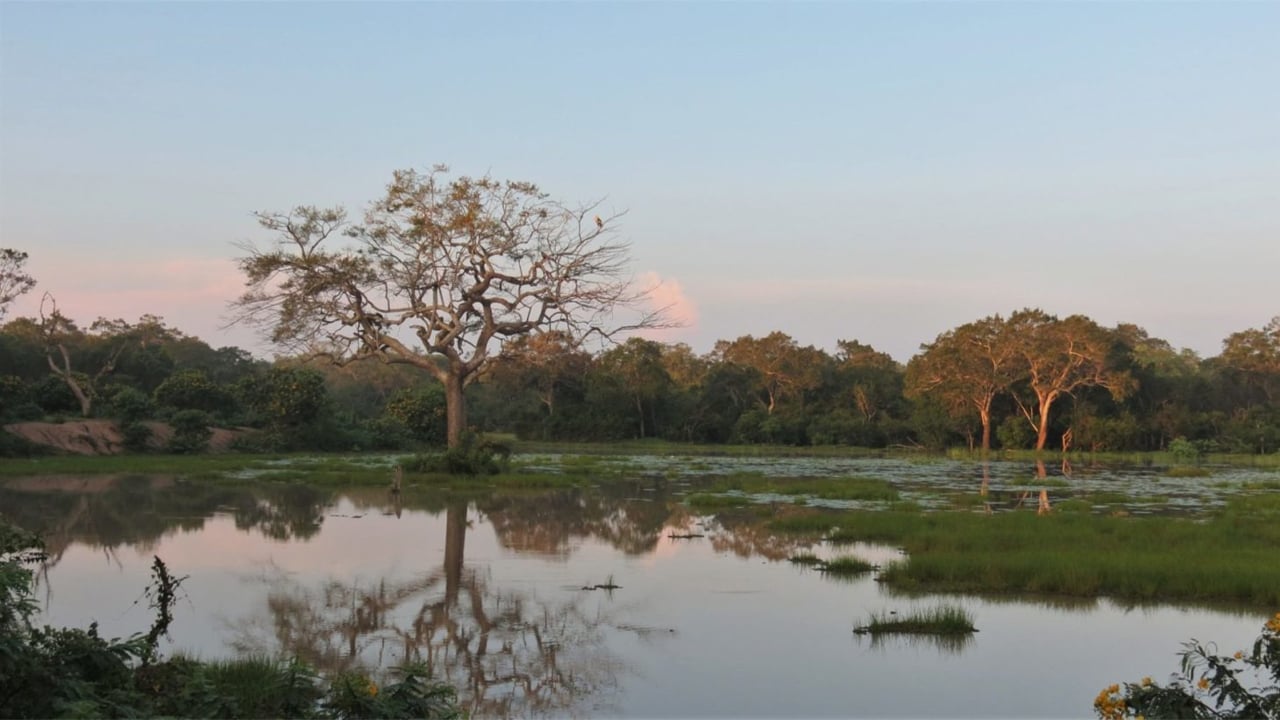
Wilpattu's defining feature is its system of natural, basin-like lakes called villus — shallow, sand-rimmed pools that fill with rainwater and attract a remarkable concentration of wildlife. Unlike the open grasslands of Yala or the reservoir-centred landscape of Minneriya, Wilpattu is dense, forested, and relatively remote. That combination of forest canopy and scattered water holes creates ideal conditions for elusive species that are harder to observe elsewhere in Sri Lanka.
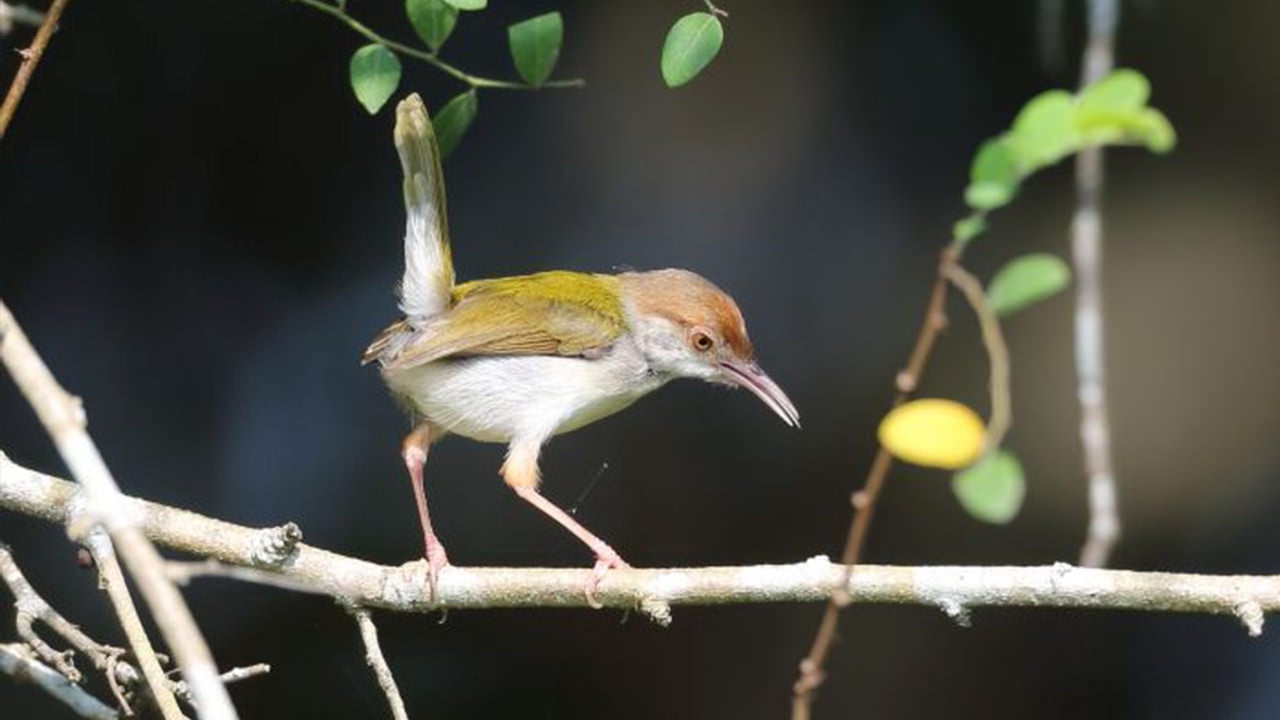
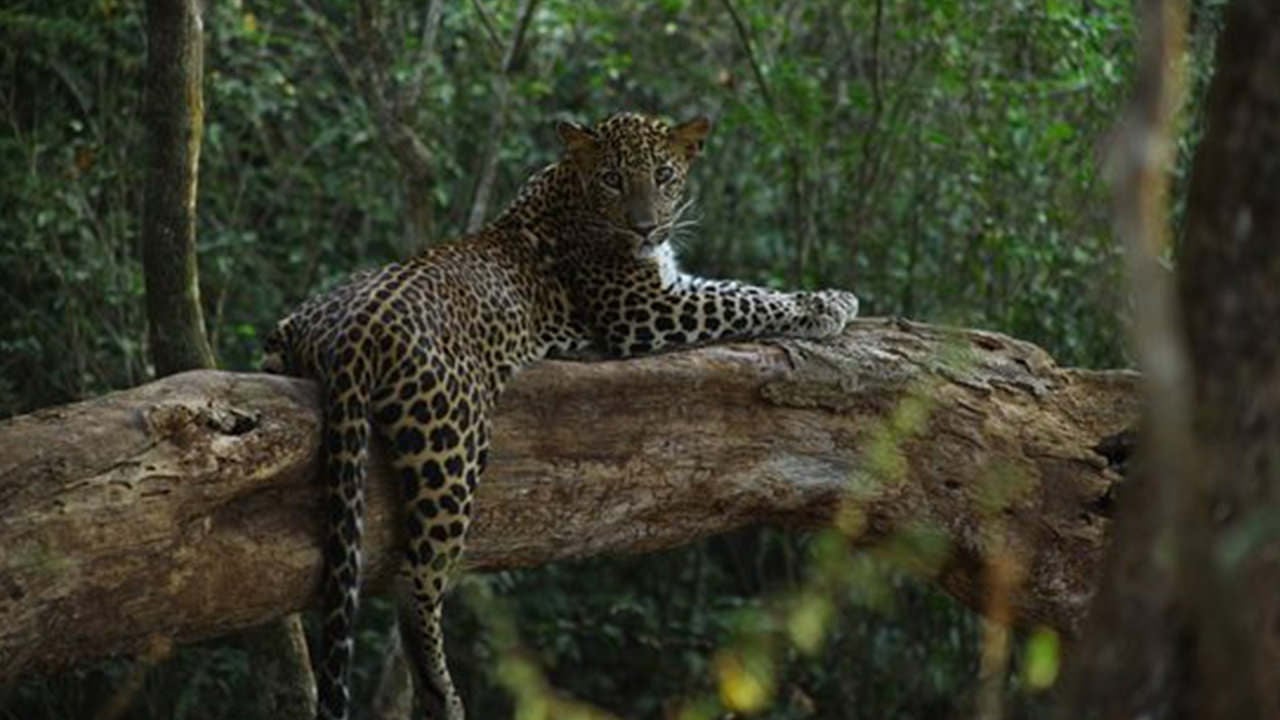
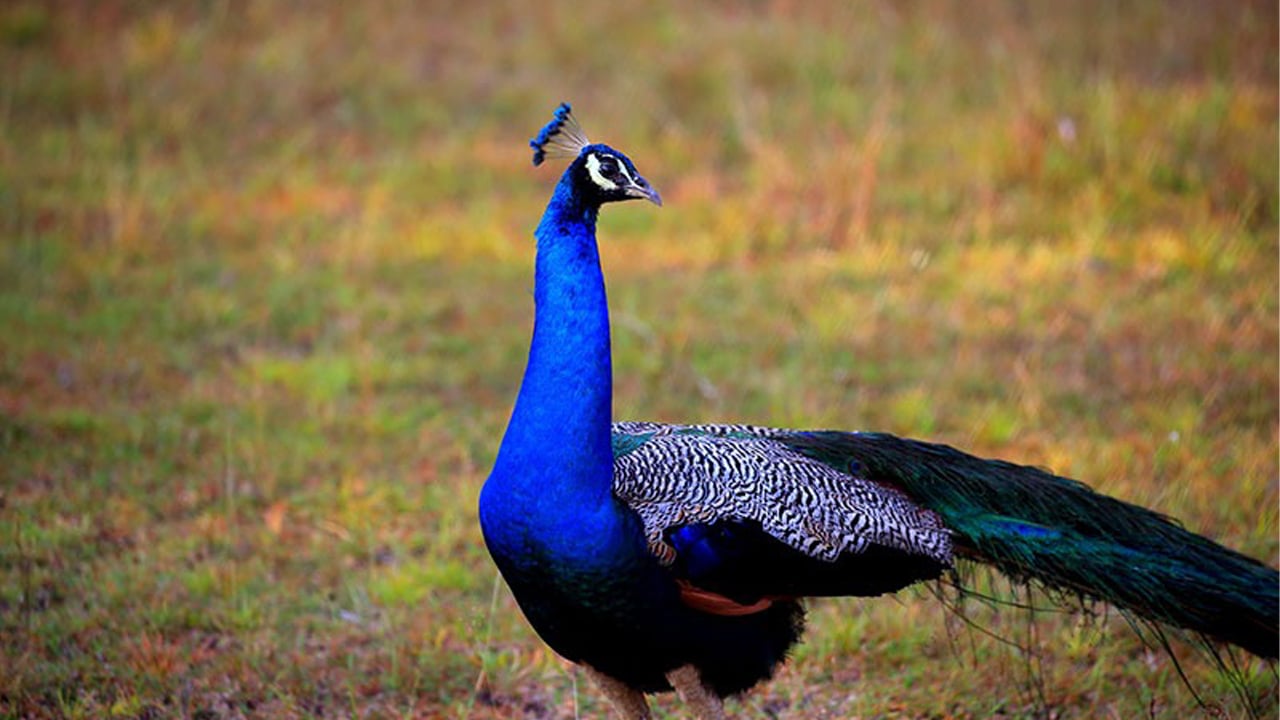
The park is best known as one of the most reliable locations in South Asia to spot the Sri Lankan leopard. Sloth bears, elephants, spotted deer, water buffalo, and a wide variety of waterbirds are also regularly encountered. The villus draw large numbers of painted storks, herons, cormorants, and migratory waders, making Wilpattu rewarding for birdwatchers as well as mammal enthusiasts.
When is the best time to visit Wilpattu through Hunuvilagama?
The dry season months — broadly February through October — are generally considered the best period to visit. During this window, vegetation thins out and animals concentrate around the remaining villus, making sightings more predictable. February and March in particular tend to offer good weather, lower humidity, and active wildlife.
The park remains open during the wetter months, and while sightings may be less frequent, the park takes on a lush, dramatic character that appeals to photographers. Certain resident species, including leopards, are present year-round. Heavy rainfall can occasionally close internal tracks temporarily, so checking conditions in advance is advisable during the North-East monsoon period.
| Period | Conditions | Wildlife visibility |
|---|---|---|
| February – April | Dry, low humidity | High – villus low, animals concentrated |
| May – September | Warm, occasional showers | Moderate – park lush and green |
| October | Transitional, relatively dry | Good – a second recommended window |
| November – January | North-East monsoon, heavier rain | Lower – some tracks may flood |
How do I get to Hunuvilagama Entrance?
The most common approach is via Puttalam, which connects to the A12 coastal road from Colombo or Negombo. From Puttalam, a sealed road leads north towards the park entrance at Pahala Maragahawewa. Visitors driving from Anuradhapura can approach from the east through the dry zone road network. A private vehicle or pre-arranged jeep is strongly recommended, as public transport does not serve the entrance directly.
The address reference for navigation is the Hunuvilagama Main Entrance at Pahala Maragahawewa. The park gates open at 6:00 AM and close at 6:00 PM every day of the week. Arriving at or shortly after opening time is advisable — early morning is typically the most productive period for wildlife activity.
What can I expect on a safari at Wilpattu?
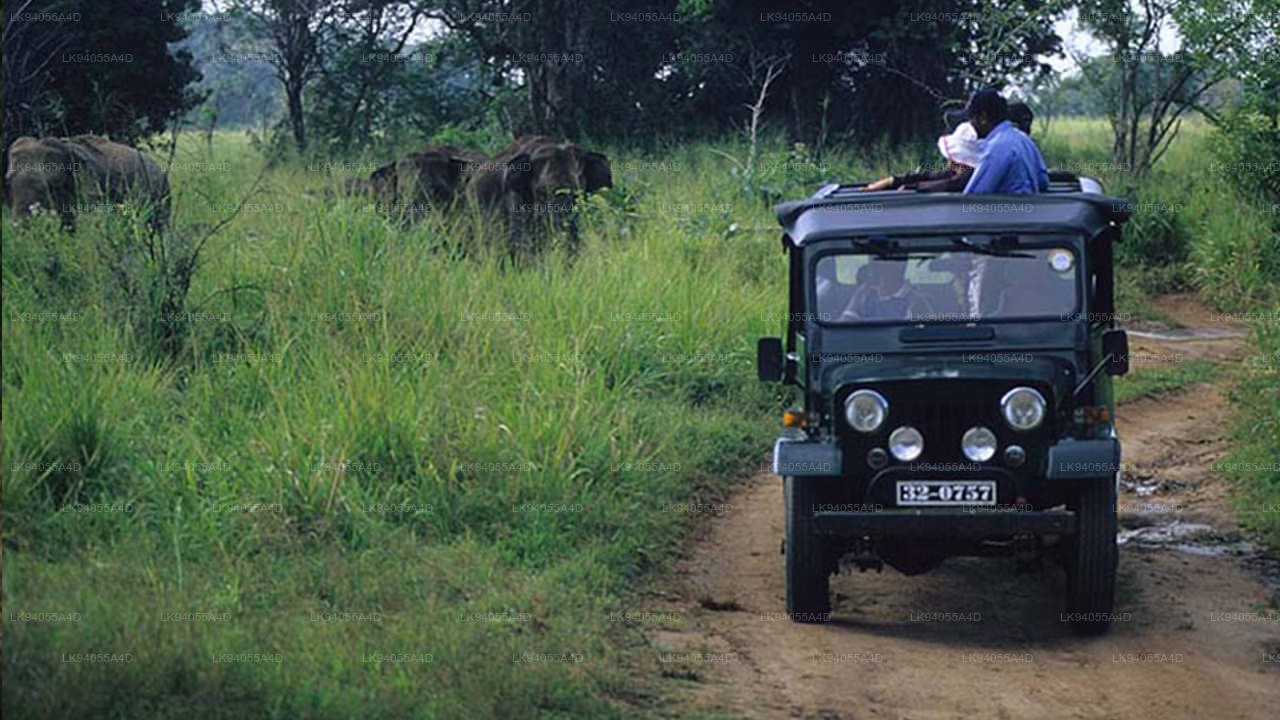
All safaris inside Wilpattu must be conducted in a licensed jeep with a park-approved tracker. Private vehicles are not permitted beyond the park gates. The internal track network is extensive, primarily gravel-surfaced, and well maintained between the main villu circuits. A half-day safari typically covers the most productive villu loops; a full-day safari allows deeper exploration of the park's interior and quieter zones.
Morning safaris consistently outperform afternoon sessions for leopard and bear sightings. Animals are most active in the cooler hours after dawn and tend to retreat into shade once the dry-zone heat builds through mid-morning. Evening drives, while available, can feel rushed given the 6:00 PM closing time.
- Bring binoculars — the forest is dense and animals can be set well back from the track
- Wear neutral, muted clothing; avoid bright colours
- Carry sufficient water — the interior can be significantly hotter than the coast
- Full-day visitors can take a packed lunch to a designated rest point near the coastal buffer area
- Keep noise to a minimum inside the park at all times
What wildlife is most commonly seen at Wilpattu?
The Sri Lankan leopard is the species most visitors hope to encounter, and Wilpattu's relatively low visitor numbers compared to Yala give each safari group more undisturbed time with any sighting. Sloth bears are frequently spotted near the villus, particularly in the evening approach hours. Sri Lankan elephants move through the park but are less predictably located here than in parks like Udawalawe, where open terrain makes elephant viewing more reliable.
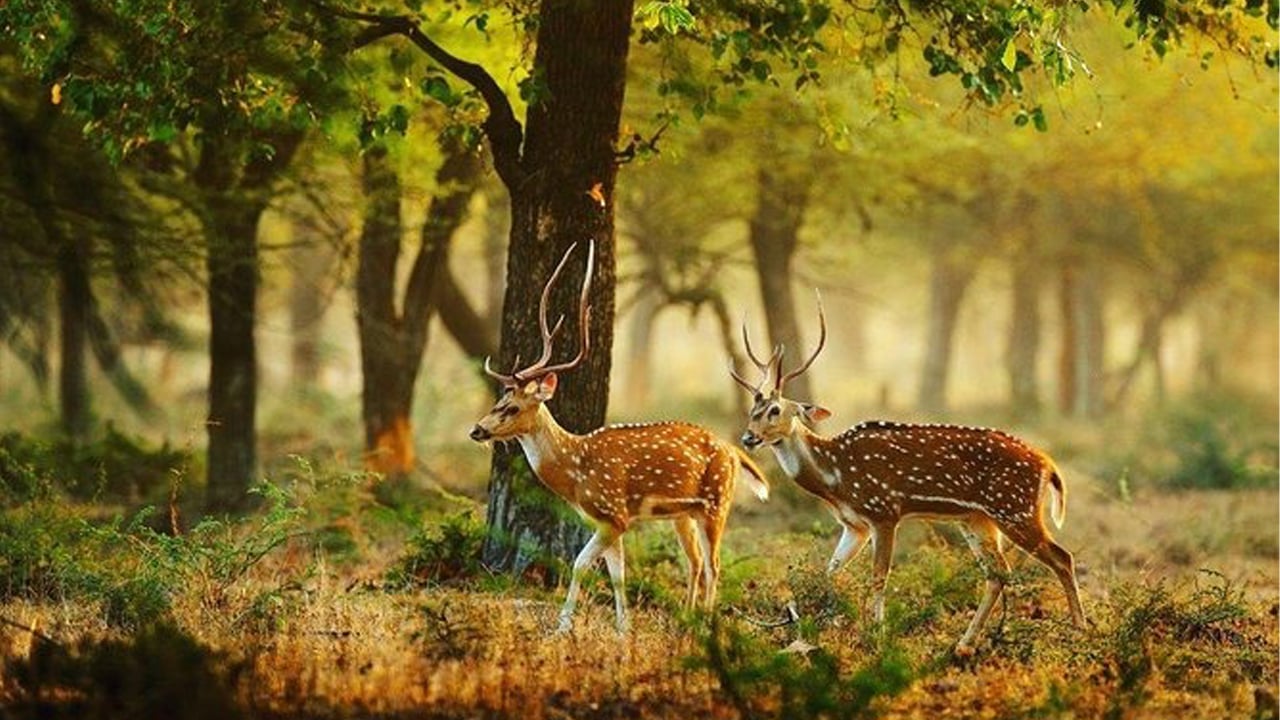
Spotted deer and sambar are abundant throughout the park and often serve as the first indicators of nearby predators — watch for sudden alertness or alarm calls. Water buffalo, jackals, and mongooses are regularly seen along track edges. The villus host painted storks, little cormorants, purple herons, and in season, significant numbers of migratory waders.
Are there facilities near Hunuvilagama Entrance?
The Hunuvilagama Main Entrance has a large parking area and the necessary permit processing facilities. Basic amenities are available at the entrance point. The nearest town with fuel, food, and accommodation options is Puttalam, around 25 km to the south. A small number of bungalows and eco-lodges operate in the buffer zones near the park, and some visitors choose to overnight in the area to make the most of early-morning gate access.
Visitors on full-day safaris should arrange meals with their jeep operator in advance. Carrying your own food and adequate drinking water into the park is the most reliable approach, as internal facilities are minimal by design — this is a protected wilderness area, not a managed resort.
How does Hunuvilagama compare to other Wilpattu entrances?
Wilpattu has more than one access point, but Hunuvilagama is the most commonly used main entrance and provides access to the largest section of the park's track network, including the major villu circuits. It is the entrance most tour operators and jeep services default to when arranging Wilpattu safaris, and it is the reference point for entrance ticket processing for the majority of visitors.
Nearby places
10 places within about 25 km, nearest first.
- Wilpattu City15 km
- Wilpattu National Park15 km
- Wilpattu15 km
- Bar Reef17 km
- Kala Oya21 km
- Galwila Eco Park21 km
- Eluwankulama Entrance22 km
- Aruwakkalu Archaeological Reserve23 km
- Gange Wadiya24 km
- Malwatu Oya24 km
Related reading
3 pages on closely related subjects.