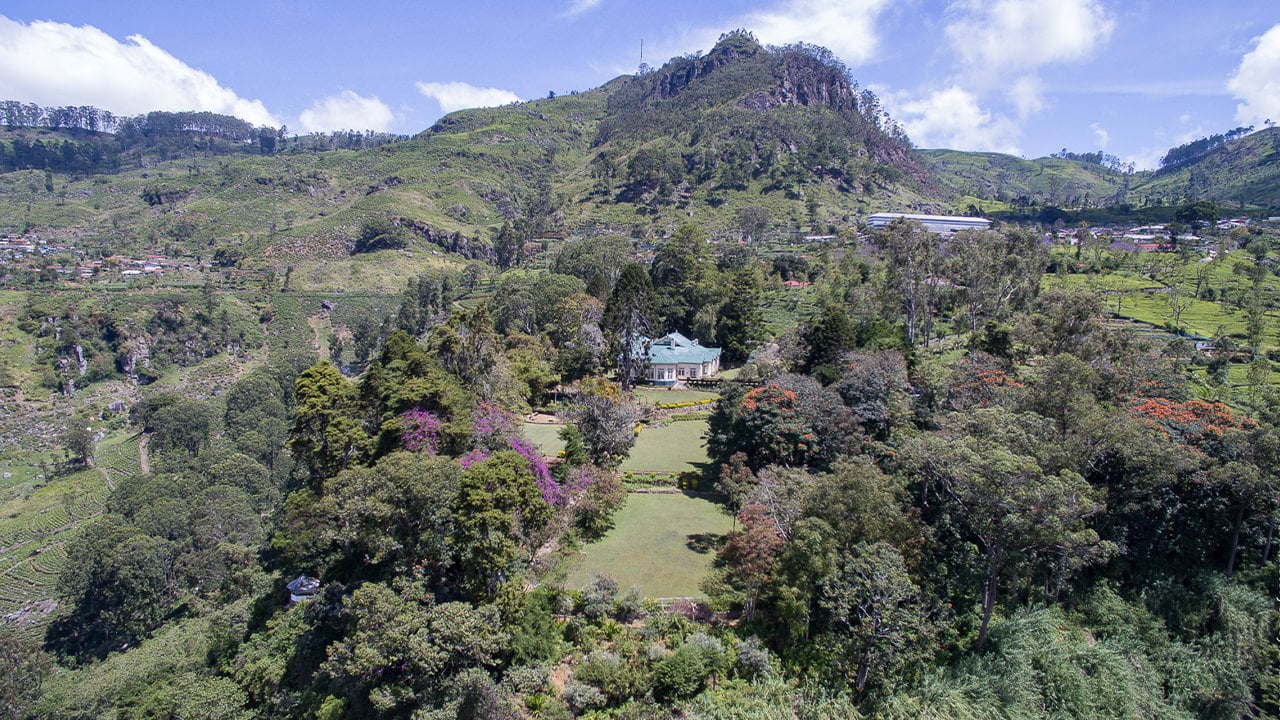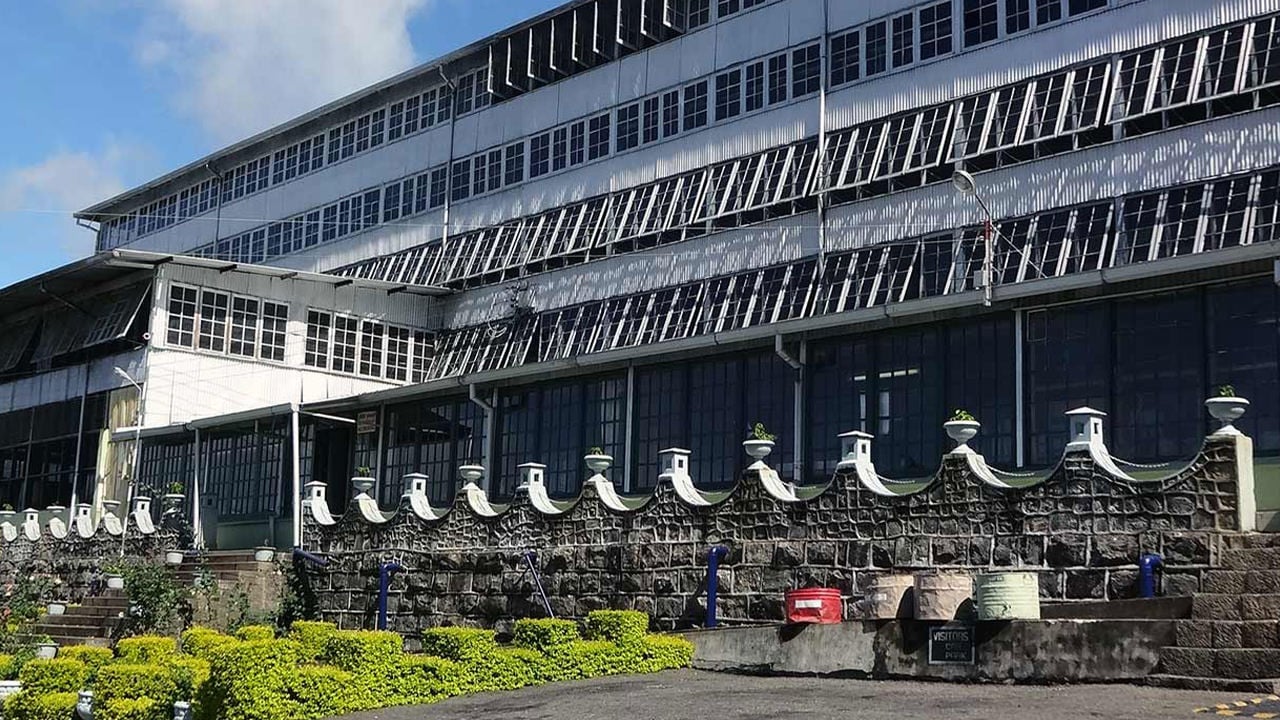

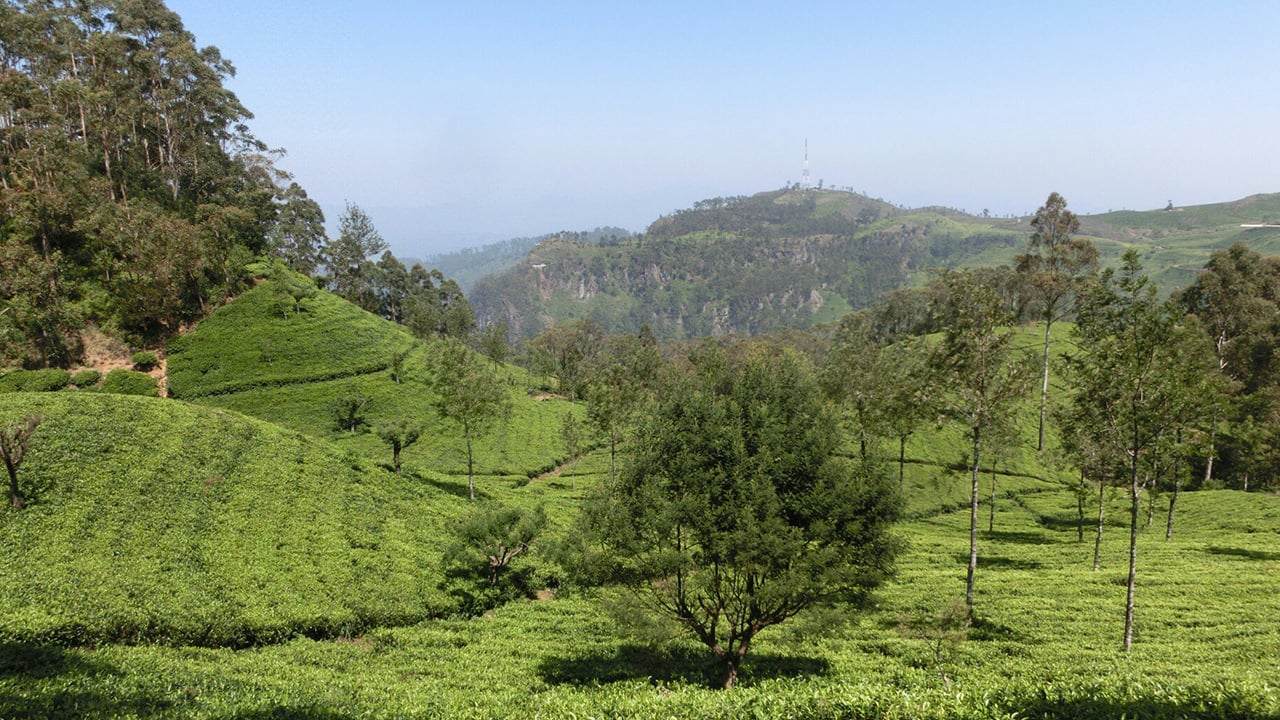

Dambatenne Tea Factory sits at around 1,500 metres above sea level in the Haputale hills, surrounded by ridge after ridge of tea bushes that fade into mist on most mornings. It is one of the few working factories in Sri Lanka where visitors can follow the entire journey of a tea leaf — from plucking on the slopes to the finished packet — using machinery that dates back well over a century. For anyone travelling through the hill country, it is a genuinely useful stop that pairs history, craft, and landscape in one place.
What is the history of Dambatenne Tea Factory?
The factory was established in 1890 by Sir Thomas Lipton, the Scottish entrepreneur who transformed Ceylon Tea from a regional commodity into a globally recognised brand. Lipton purchased land in the Haputale district specifically because the elevation and cool temperatures produced a leaf with pronounced flavour and bright liquor. The first batches of tea packed under the Lipton label were processed here, and it is widely credited as the place where the international idea of "Ceylon tea" began to take shape.
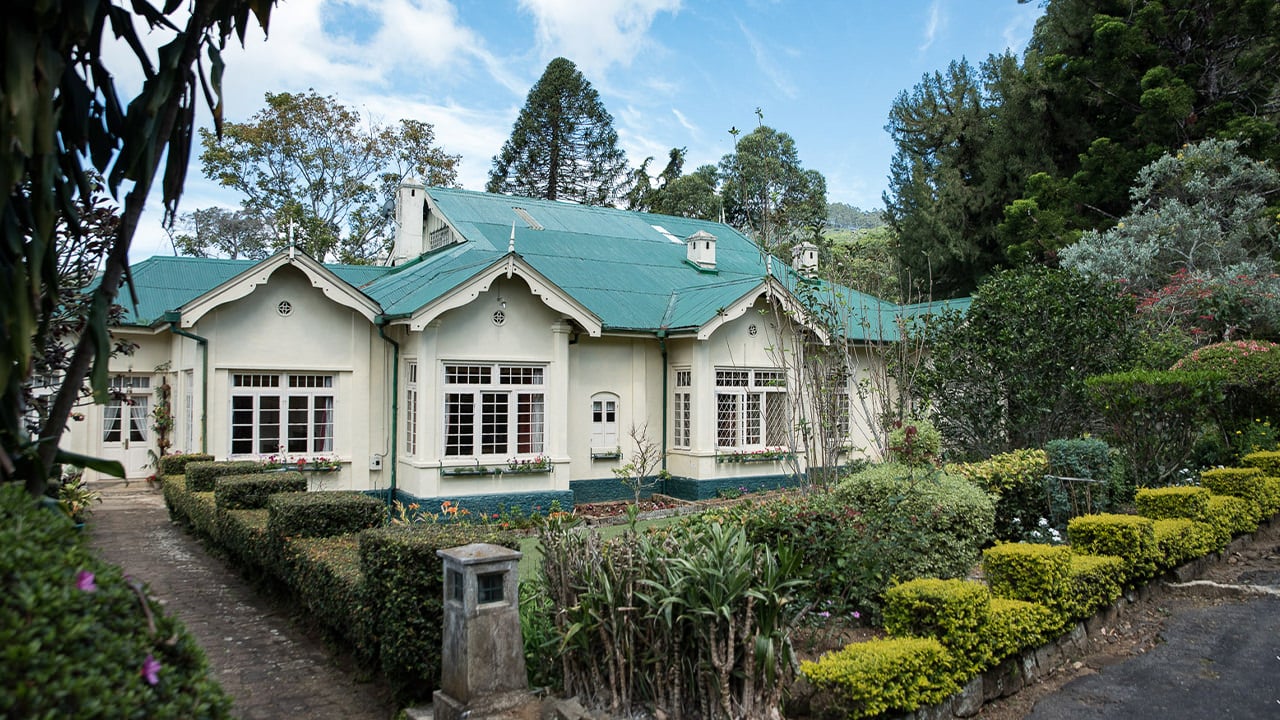
Ownership of the estate passed from Lipton's company in 1930, but the Dambatenne factory continued to supply tea to Lipton for decades afterwards. Today the estate operates under Sri Lankan management, and the colonial-era equipment has been preserved largely intact — partly out of practical economy and partly because it has become a draw in its own right.
What can you see and do at Dambatenne Tea Factory?
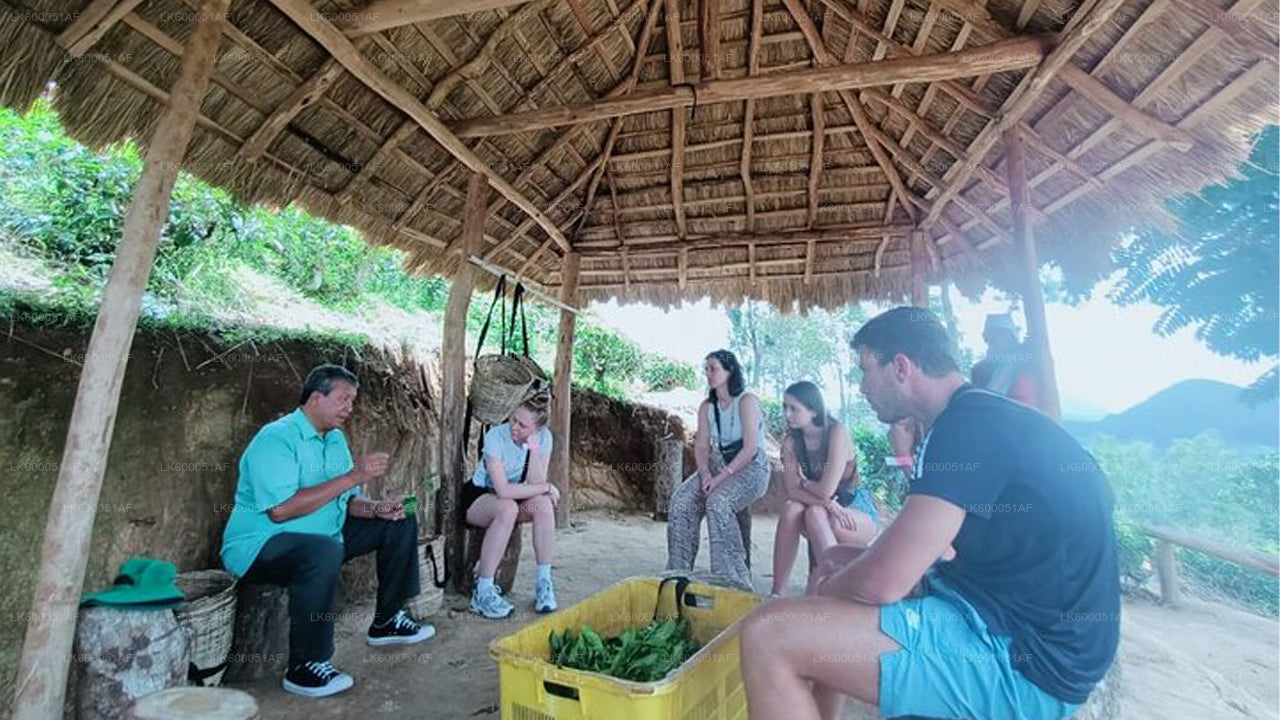
A guided walk through the factory floor covers the six main stages of orthodox black-tea production: withering, rolling, fermentation, firing, sifting, and grading. Each stage takes place in a distinct room, and because the machinery runs during working hours, visitors see the process in motion rather than as a static display. The smell alone — vegetal and green in the withering loft, deeply toasty near the dryers — makes the tour memorable.
- Withering loft: Freshly plucked leaves are spread on hessian troughs and dried for up to 18 hours to reduce moisture content.
- Rolling room: Cast-iron rollers break the cell walls of the leaf, releasing the enzymes that drive fermentation.
- Fermentation floor: The rolled leaf oxidises on glass-topped tables, turning from green to coppery brown.
- Firing: Large dryers arrest fermentation and reduce moisture to around 3 percent, locking in flavour.
- Sifting and grading: Mesh sieves separate the finished tea into grades — BOP, BOPF, Pekoe and others — before it is weighed and bagged.
Most tours end with a tasting session in the factory shop, where you can compare grades side by side and buy directly from the estate.
How do I get to Dambatenne Tea Factory from Colombo or Ella?
Dambatenne lies roughly 5 kilometres from Haputale town along a road that climbs steadily through the estate. From Colombo the drive takes around four to five hours depending on traffic and the route chosen. Travellers arriving by train can disembark at Haputale station — one of the most scenic rail stops in the hill country — and take a tuk-tuk or taxi up to the factory. From Ella the journey is approximately 20 kilometres by road and takes under an hour; many visitors combine both destinations in a single day.
The road to the factory continues beyond the buildings and climbs to Lipton's Seat, a viewpoint at around 1,970 metres that Lipton reportedly used to survey his estate. On clear mornings the panorama extends across multiple districts and, on exceptional days, reaches the south coast. It is worth timing the drive to arrive at the viewpoint before 9 a.m., when cloud tends to roll in.
When is the best time to visit Dambatenne?
The factory operates year-round, but the experience depends heavily on weather. The clearest skies over Lipton's Seat occur between January and early April and again from July through September. The southwest monsoon brings heavy rain to the Haputale hills from May to July, and while the factory tour itself is unaffected, the viewpoint is usually obscured. The estate landscape is arguably at its most photogenic just after a rain, when the bushes are intensely green and low cloud clings to the valleys.
Plucking typically happens in the morning, so an early start gives the best chance of watching workers move through the rows. The factory floor is busiest in the mid-morning to early afternoon.
What is the connection between Dambatenne and Lipton Tea?
Sir Thomas Lipton built his Sri Lankan tea business on a simple proposition: buy directly from his own estates, cut out the middleman, and sell affordable tea to ordinary consumers. Dambatenne was central to that model. The estate's teas were shipped to Lipton's blending operations in Britain and marketed at a price point that had previously been inaccessible to working-class buyers. The phrase "direct from the tea garden to the teapot" appeared on early Lipton packaging and reflected the vertically integrated model that began here.
Although Lipton sold his Sri Lankan properties in 1930, the brand's association with the island never faded. Unilever, which eventually acquired the Lipton name, continued sourcing from Dambatenne for many years. Visitors to the factory today can read archival photographs and labels mounted near the entrance that trace this commercial history.
Are there other tea experiences nearby?
The Haputale and Ella corridor contains several estates that welcome visitors. Bluefield Tea Gardens, situated in the hills above Badulla, offers a comparable guided tour with a strong focus on small-scale, artisanal processing. Travellers based in Nuwara Eliya can reach multiple high-grown estates within a short drive, while those heading toward Horton Plains National Park pass through country where tea and cloud forest sit side by side. The hill country as a whole rewards slow travel — the landscape changes character every few kilometres, and the cooler air makes walking comfortable even in the middle of the day.
Practical information for visitors
| Detail | Information |
|---|---|
| Location | Dambatenne, approximately 5 km from Haputale town |
| Nearest rail station | Haputale (scenic hill-country line) |
| Factory tour hours | Typically open during working days; confirm locally before visiting |
| Lipton's Seat | Accessible by road or on foot from the factory; roughly 4 km further up |
| Best viewpoint time | Before 9 a.m. for clear conditions |
| Nearest town facilities | Haputale (restaurants, accommodation, ATM) |
Nearby places
10 places within about 25 km, nearest first.
- Idalgashinna Cityunder 1 km
- Bandarawela City1 km
- Bandarawela Railway Station1 km
- Thotalagala1 km
- Lipton's Seat2 km
- Diyatalawa Town2 km
- Diyatalawa Railway Station3 km
- Poona Oya Ella Falls3 km
- Yatirawana Railway Station4 km
- Uma Oya5 km
Related reading
9 pages on closely related subjects.